

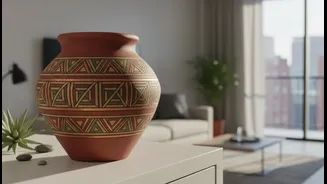
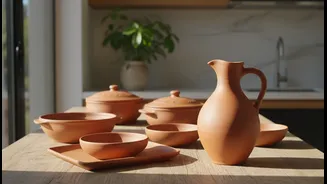


The Allure of Earthenware
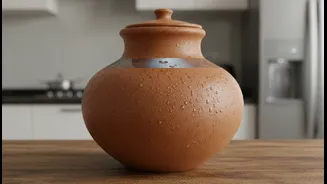
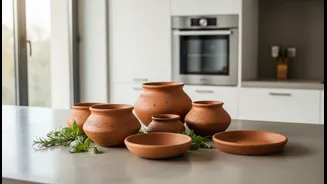
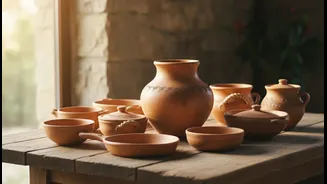
There's a certain charm to terracotta, or 'baked earth'. It connects us to a simpler time, reminding many of the cool water from a matka or the distinct flavour of curd set in a clay pot. This revival isn't just about nostalgia; it’s driven by a desire
for healthier, more sustainable choices. Unlike plastic, terracotta is a natural material, with a significantly lower carbon footprint. The appeal is clear: it’s beautiful, traditional, and promises a more organic way of life. But how does it fare against the daily realities of a small, busy kitchen?
Health and Wellness: The Porous Advantage
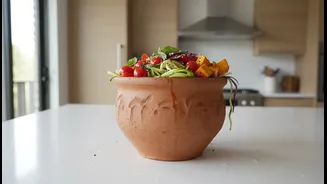
One of terracotta's biggest wins is its health credentials. Its porous nature is key. Unlike airtight plastic containers which can trap moisture and encourage spoilage, terracotta allows food to breathe. This circulation of air helps prevent mould and bacteria, potentially extending the shelf life of fresh produce like onions and potatoes, and even cooked food. Clay is also alkaline, which can help neutralize the pH balance of acidic foods, making them easier to digest. Furthermore, unlike some plastics, properly sourced, unglazed terracotta is non-toxic and doesn't leach chemicals into your food, especially when heated.
The Practicality Puzzle: Space, Weight, and Care
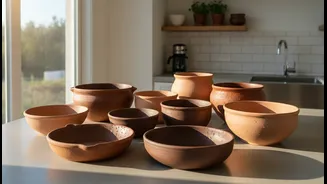
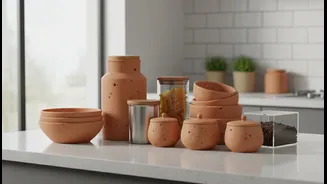
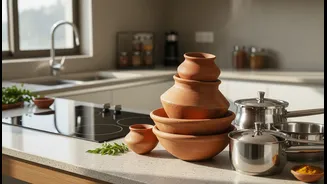
This is where the debate gets real for those in compact homes. Plastic and metal containers are lightweight, stackable, and often designed for modularity—perfect for tight cupboards. Terracotta, on the other hand, is heavy and bulky. It's also fragile and can break if dropped. Most terracotta pieces are not designed to be neatly stacked, making them space-intensive. When it comes to cleaning, terracotta requires special care. You generally can't use harsh detergents, as the porous clay can absorb soap and transfer it to your food. It also needs to be dried completely before storage to prevent mould growth, which is a challenge in humid climates or poorly ventilated kitchens.
A Clash of Materials: Functionality Face-Off
Let's break it down. For dry goods like grains and pulses, a large terracotta jar can be an excellent, breathable storage solution. For setting curd or storing pickles, its properties are unmatched, enhancing flavour and texture. However, for packing a quick lunch, carrying liquids without spills, or freezing leftovers, the lightweight, airtight, and durable nature of plastic and stainless steel is hard to beat. Metal containers are robust, easy to clean, and excellent for long-term storage, while plastic offers unparalleled convenience and portability. Terracotta also needs 'seasoning' before its first use and is sensitive to sudden temperature changes, meaning you can't move a pot from the fridge to the microwave without the risk of it cracking.