








What Exactly is a CGM?
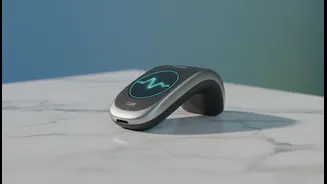
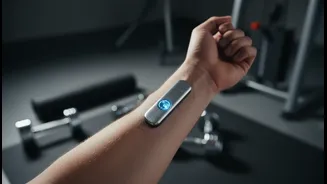
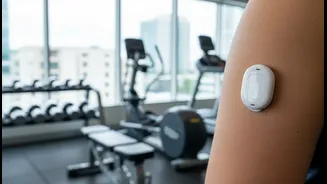
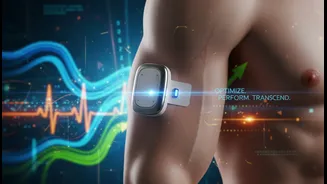
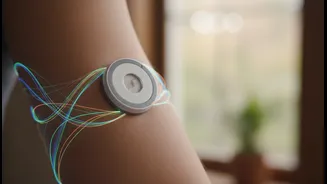
Think of a CGM as a wearable biosensor that gives you a 24/7 look at your body's fuel gauge. It’s a small device, typically worn on the back of the upper arm, with a tiny, flexible filament that sits just under the skin. This sensor doesn't measure glucose
in your blood directly, but in the fluid between your cells, known as interstitial fluid. It then sends these readings to a smartphone app every few minutes, painting a continuous picture of your glucose levels—unlike the single snapshot provided by a traditional finger-prick test. This allows you to see not just a number, but trends, showing how your glucose rises and falls throughout the day and night in response to everything you do.
The Gut-Sugar Connection Revealed
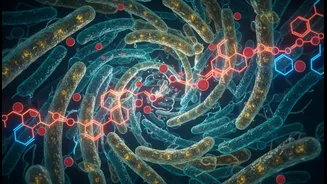
One of the most profound insights from CGM data is the powerful link between your gut and your glucose response. Your digestive system is home to trillions of microorganisms, collectively known as the gut microbiome. Scientists have found that the composition and health of this internal ecosystem play a direct role in how your body manages blood sugar. A diverse and healthy gut microbiome helps regulate glucose metabolism. For example, when you eat fibre-rich foods, beneficial gut bacteria break them down and produce compounds called short-chain fatty acids (SCFAs). These SCFAs have been shown to improve insulin sensitivity and overall blood sugar control. An imbalance in gut bacteria, a state known as dysbiosis, is linked to poor glycemic control and insulin resistance. A CGM makes this connection visible, showing how different foods uniquely impact your body, partly as a function of your gut health.
Personalised Nutrition in Action
The true educational power of a CGM lies in its ability to offer personalised feedback. Generic dietary advice often fails because we all have a unique biological response to food. A banana might cause a sharp glucose spike in one person but only a gentle rise in another. A CGM can reveal these individual differences in real-time. You might discover that a supposedly 'healthy' breakfast cereal sends your sugar levels soaring, while adding a source of protein or fat, like nuts or yoghurt, can flatten that curve. The data can also highlight the impact of food sequencing—eating vegetables or protein before carbohydrates, for instance—which can significantly blunt a glucose spike. This immediate biofeedback transforms nutrition from a set of rules into a personal experiment, empowering you to build a diet that works for your body.
More Than Just Food
While diet is a primary driver of glucose fluctuations, CGMs also educate users on the significant impact of other lifestyle factors. You can see, in your own data, how a poor night's sleep can lead to higher glucose levels the next day. A stressful work meeting can cause a glucose spike that looks similar to one from a sugary snack, a result of the stress hormone cortisol. Conversely, a 15-minute walk after a meal can visibly lower your glucose levels, demonstrating the immediate benefits of light physical activity. This holistic view helps users understand that metabolic health isn't just about what you eat, but also about how you sleep, move, and manage stress. It provides tangible proof of the interconnectedness of your daily habits and your internal health.
A Note of Caution
While CGMs are powerful educational tools, they are not without potential downsides for non-diabetic users. Experts caution that the data can sometimes be difficult to interpret without professional guidance and may lead to unnecessary anxiety about normal, minor fluctuations. There is also a risk of fostering an unhealthy obsession with data or restrictive eating habits. In India, companies are beginning to market CGMs directly to wellness consumers, but cost can be a significant barrier, as they are not typically covered by insurance for non-diabetic use. It’s important to view the device as a short-term learning tool rather than a permanent necessity, and to look at broad trends over time rather than fixating on single readings.