




Start with the Right Bag
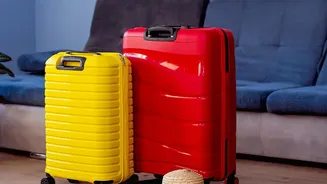
The first line of defence is your carry-on itself. While no fabric bag is 100% waterproof, some materials offer far better protection than others. Look for bags made from naturally water-resistant fabrics like high-denier nylon or polyester with a polyurethane
(PU) or durable water repellent (DWR) coating. Hard-shell polycarbonate luggage is another excellent choice, as water simply rolls off its surface without soaking in. Pay close attention to the zippers and seams, which are common weak points. Bags with covered or water-resistant zippers and sealed seams provide a significant advantage in keeping moisture out during a sudden cloudburst.
Master the Art of Internal Defence
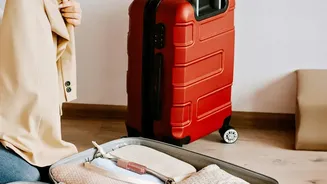
Even the best bag can fail in a torrential downpour. The ultimate hack is to create layers of protection inside your carry-on. This is where dry bags and simple Ziploc pouches become invaluable. Dry bags, popular with hikers and kayakers, are lightweight sacks with a roll-top closure that creates a watertight seal. Use larger ones to line the main compartment of your backpack, creating a fully waterproof interior. Use smaller ones to compartmentalise your belongings: one for clothes, one for toiletries, and a dedicated one for electronics. This strategy ensures that even if your main bag gets soaked, its contents remain perfectly dry. For smaller items, never underestimate the power of a humble Ziploc bag.
Deploy an External Rain Cover
An external rain cover is a simple, lightweight, and non-negotiable accessory for monsoon travel. Most modern backpacks designed for outdoor use come with one tucked into a dedicated pocket. If yours doesn't, they are inexpensive to purchase separately. A rain cover acts as the first barrier, shielding the entire bag from direct rainfall and preventing the fabric from becoming saturated. The key is accessibility; keep it in an outer pocket where you can grab and deploy it in seconds, rather than having to rummage through your main compartment as the rain starts.
Waterproof Your Existing Bag
If you love your current carry-on and don't want to buy a new one, you can significantly boost its water resistance with some DIY treatments. For nylon or polyester bags, a durable water repellent (DWR) spray can be very effective. After cleaning the bag, apply one or two light, even coats of the spray, which causes water to bead up and roll off the fabric instead of soaking in. For canvas bags, applying a fabric wax is a traditional and highly effective method. The wax melts into the fibres, creating a robust water-resistant barrier that can be touched up as needed.
Create an Electronics 'Panic Pouch'
In a sudden downpour, your most vulnerable and valuable items are your electronics. Create a dedicated, easily accessible 'panic pouch' for your phone, power bank, charging cables, and passport. This could be a high-quality dry bag, a waterproof case, or even a heavy-duty freezer Ziploc bag. The goal is to have one small, completely sealed bag that you can quickly grab and secure. Keep this pouch at the very top of your carry-on or in an external pocket so you can protect your most essential items without a moment's hesitation.
Combat Humidity with Silica Gel
Water damage isn't just from direct rain; high humidity during the monsoon can make everything feel damp and lead to musty smells or even damage electronics over time. A clever hack is to collect and reuse the small silica gel packets that come with new shoes, electronics, and other products. Tossing a few of these into your main luggage and electronics pouch helps absorb ambient moisture, keeping your gear dry from the inside out and preventing that lingering damp odour.