


The Primary Enemy: Moisture
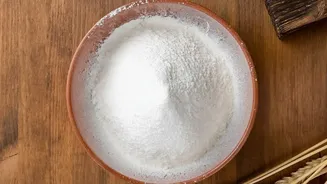
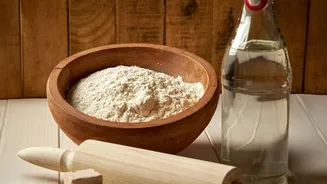
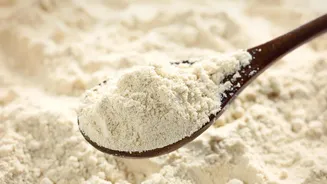
Flour is a dry, shelf-stable product by design. Its low moisture content is precisely what gives it a long life in your pantry. However, flour is also hygroscopic, meaning it readily absorbs moisture from its environment. When you dip a wet or even slightly
damp spoon into your flour, you're introducing water into that controlled, dry ecosystem. This single drop of moisture creates a localized wet spot, a tiny island where problems can begin. This isn't just about visible water; even the steam from a boiling pot can dampen a spoon enough to cause issues. That moisture compromises the very quality that keeps flour safe and usable for months.
An Invitation to Mould and Bacteria
Once moisture is present, the flour is no longer an inhospitable place for microscopic life. Mould spores and bacteria, which can be present in small, harmless amounts in raw flour, are given the one thing they need to thrive: water. This can lead to the growth of mould, which often appears as discoloured clumps and can produce mycotoxins that are harmful if ingested. Furthermore, while many people don't realize it, raw flour can sometimes contain harmful bacteria like E. coli and Salmonella. These pathogens are usually killed by cooking, but adding moisture to the container can allow them to multiply, increasing the risk of cross-contamination in your kitchen. A patch of mouldy flour can ruin an entire container, forcing you to throw it away.
Clumps, Pests, and Ruined Recipes
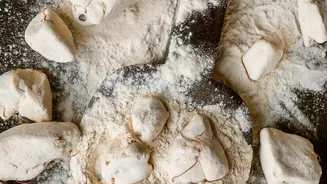
Beyond the serious risks of mould and bacteria, moisture causes other frustrating problems. The first thing you'll notice is clumping. Wet flour sticks together, forming hard lumps that are difficult to break up and impossible to measure accurately. This directly impacts the quality of your baking, as compacted, clumpy flour can lead to dense, dry, and crumbly results. Moisture also makes the flour more attractive to common pantry pests like flour mites and weevils. These pests thrive in humid conditions, and a damp spot in your flour bin can be the perfect place for them to multiply, potentially leading to a widespread infestation that contaminates other foods in your pantry.
Beyond the Spoon: Best Storage Practices
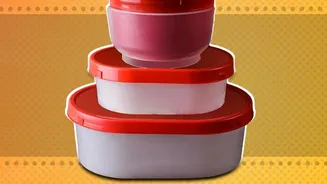
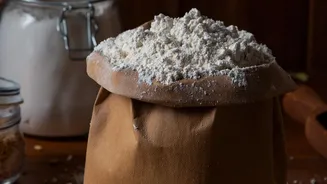
Using a dry spoon is a critical first step, but for ultimate flour protection, a few other habits are key. The paper bag flour comes in is not ideal for long-term storage as it doesn't protect against moisture, pests, or odours. The best practice is to transfer your flour to a clean, dry, airtight container. Glass, food-grade plastic, or stainless steel canisters are all excellent choices. Store this container in a cool, dark place like a pantry, away from the heat and steam of the stove or dishwasher. For whole wheat and other whole-grain flours, which contain oils that can go rancid quickly, storing them in the refrigerator or freezer in an airtight container is the best way to extend their shelf life significantly.