



The New Digital Sous Chef
For generations, meal planning in India has been a blend of tradition, intuition, and well-worn recipe books. But a new category of digital tools is entering the kitchen, and they do more than just store recipes. These are AI-powered applications, acting
like a 'digital sous chef' that can invent, adapt, and organise meals. Unlike a static recipe website, these tools use generative AI to create customised suggestions on the fly. Some platforms are specifically designed for Indian cuisine, understanding the nuances of our food. Tools like CookMithra and recipeGPT can generate classic dishes like Butter Chicken or a regional speciality based on the ingredients you have on hand. This technology isn’t just about finding a recipe; it's about having a conversation with a culinary assistant that can help solve the daily challenge of feeding a family.
Beyond the Weekly Meal Chart
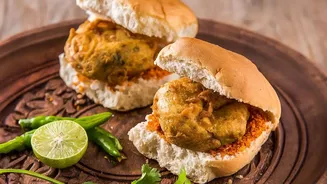
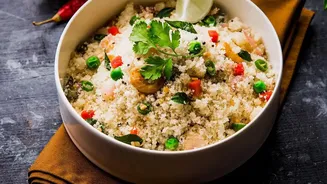
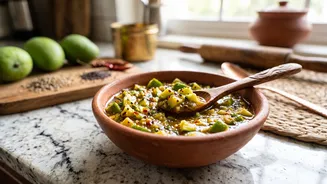
The most immediate impact of these tools is on the daily grind of cooking. Many Indian households juggle diverse dietary needs—a diabetic grandparent, a vegetarian family member, or a child who is a picky eater. AI assistants are becoming adept at handling these complexities. You can instruct an AI to create a low-sodium meal plan, find a gluten-free alternative to a favourite snack, or generate a week's worth of recipes that use up the leftover vegetables in your fridge. Apps like PlanNEat are built around home-style Indian dishes, allowing users to build a weekly menu from a vast library of regional cuisines and automatically generate a grocery list. This shifts the cook's burden from tedious planning to the more creative aspects of cooking, saving time and reducing food waste. By analyzing your preferences, these tools can introduce you to lesser-known regional dishes, expanding your culinary horizons from the comfort of your own kitchen.
A Modern Twist on Festive Feasting
Festive occasions in India are synonymous with elaborate feasts that can take days, or even weeks, to plan. Here, too, AI is showing its potential to be a powerful ally. Imagine planning a multi-course Diwali menu and asking an AI to ensure no two dishes use the same primary gravy base. Or perhaps you want to create a playful fusion dish for a party; a tool from Google Arts & Culture allows you to combine the cuisines of two different Indian states to generate a unique recipe. Even the classic Indian wedding buffet has its own AI solution; a Bengaluru-based techie created 'BuffetGPT' to help guests navigate the overwhelming options and create a personal tasting plan. These tools can help scale heirloom recipes for a larger number of guests or suggest modern, creative twists on traditional sweets, acting as a brainstorming partner for the ambitious home cook.
Lost in Translation?
Despite the promise, the technology is not without its limitations, especially when it comes to the complexities of Indian food. Can an algorithm truly understand the intuitive 'andaz' (estimation) that is central to so much of our cooking? AI models are trained on vast datasets, but they can sometimes miss the cultural significance or regional nuance of a dish. Researchers at institutes like IIIT-Hyderabad are tackling this very problem, developing AI that can visually understand the composition of a complex Indian thali. However, for now, there's a risk that AI could oversimplify or misrepresent traditional recipes. An AI can suggest ingredients for a sambar, but it can't taste whether the tamarind is sour enough or smell if the asafoetida is perfectly roasted. This gap between data-driven suggestions and sensory experience means that the human touch remains irreplaceable, especially for dishes tied to family history and cultural identity.