





The Summer Survival Plan
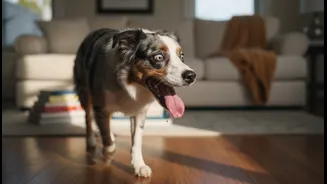
Indian summers can be dangerous for pets, with hot pavements posing a significant risk. Surfaces like asphalt can get hot enough to burn paw pads in minutes. A simple rule is the seven-second test: if you can't hold the back of your hand on the pavement for seven seconds,
it's too hot for your dog. Walk schedules must be adjusted to early mornings (before 8 AM) and late evenings (after 7 PM) to avoid the peak heat. For brachycephalic (flat-faced) breeds like Pugs and Shih Tzus, who struggle to pant effectively, midday walks should be avoided entirely. Dehydration and heatstroke are serious threats. Always provide access to multiple bowls of fresh, cool water, and never leave a pet in a parked car, where temperatures can become fatal within minutes. Signs of heatstroke include excessive panting, drooling, lethargy, and vomiting; if you spot these, move your pet to a cool area, apply cool water to their body, and contact a vet immediately.
Monsoon Mayhem Management
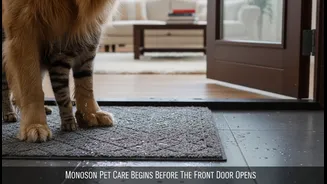
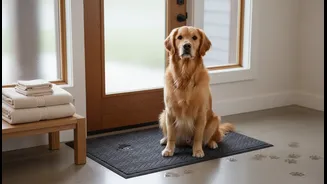
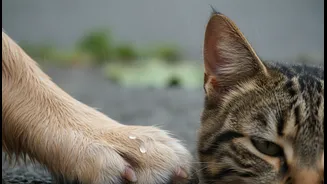
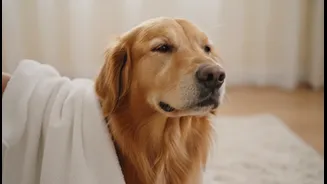
The monsoon brings relief from heat but introduces a host of other problems, primarily related to dampness. The high humidity creates a breeding ground for fungal and bacterial skin infections, often called pyoderma. It's crucial to keep your pet as dry as possible. After every walk, thoroughly towel dry their coat, paying special attention to paws, underbelly, and skin folds. Investing in a good quality, lightweight pet raincoat can make walks much cleaner and safer. Paws need special care; they should be washed with clean water and dried after every outing to prevent infections from contaminated puddles. The damp weather also leads to a surge in ticks and fleas, so ensure your pet's parasite prevention is up to date. Indoors, keep their bedding clean and dry, washing it frequently to prevent mould and mildew.
Handling Thunderstorm Anxiety
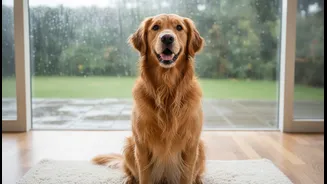
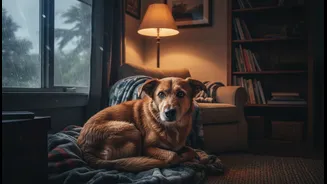
Loud thunder can be terrifying for many pets, causing severe anxiety. You can help manage their fear by creating a safe, calming space for them. This could be a crate or a small room away from windows where the noise is muffled. Playing calming music or white noise can help mask the sound of the thunder. Comforting your pet with your presence is important; contrary to old beliefs, this does not reinforce fear but provides reassurance. Anxiety wraps or vests, which apply gentle pressure, can also have a calming effect on some dogs. If your pet's anxiety is severe, it's best to consult a veterinarian, who might suggest behavioural therapies or medication to help them cope.
Seasonal Grooming Adjustments
Grooming isn't just about looking good; it's a critical part of seasonal health care. During summer, many pet parents believe shaving double-coated breeds like German Shepherds or Huskies will keep them cool, but this is a mistake. Their undercoat acts as insulation, protecting them from the heat; shaving it removes this natural defence. Instead, regular brushing to remove loose undercoat is key to improving air circulation. In the monsoon, bathing should be less frequent, perhaps every two to three weeks, as over-bathing can strip natural oils and weaken the skin's protective barrier. When you do bathe them, using a vet-recommended anti-fungal shampoo can help prevent infections. The most critical step during the monsoon is ensuring your pet is dried completely after every single bath or wet walk to prevent moisture-related skin issues.