




Plan Your Personal Oasis
Before you buy a single plant, take a moment to understand your space. How many hours of direct sunlight does your balcony get? Is it protected from strong winds? Answering these questions will determine which plants will thrive. West and south-facing
balconies are often ideal for sun-loving flowers. Then, think about your dual goals: aesthetics and ecology. For decor, consider a colour palette. Do you want warm, vibrant tones or cool, calming hues? For ecology, your goal is to provide food and shelter for local wildlife. Planning this balance from the start is the key to creating a cohesive and functional garden.
Choose Plants That Beckon Bees and Butterflies
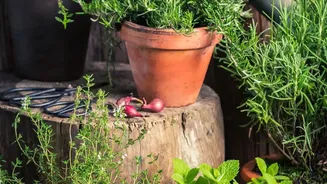
To create a pollinator-friendly haven, you need flowers rich in nectar. Marigolds are a fantastic choice for Indian balconies; they are hardy, colourful, and attract bees and butterflies while deterring some pests. Sunflowers are another great option, providing nectar when in bloom and seeds for birds later. Other excellent choices that do well in containers include Lantana, Zinnia, and Bee Balm. For fragrant evenings, consider Jasmine, which attracts both insects and nectar-seeking birds. Herbs like Tulsi (Holy Basil), Lavender, and Rosemary are also beloved by bees, especially when allowed to flower. By planting a mix of these, you ensure a continuous food supply for pollinators.
Invite Feathered Friends to Visit
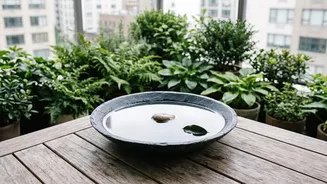
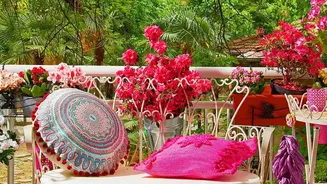
Attracting birds involves providing three key things: food, water, and shelter. Plants are a major part of this. Native Hibiscus offers nectar for sunbirds, while its dense leaves can offer a safe resting spot. If you have space for a larger pot, a small fruiting plant can be a major draw. While many birds are attracted to the insects that your flowers bring in, providing a direct food source like sunflower seeds makes your balcony a reliable stop for them. Equally important is a source of water. A simple, shallow dish of fresh water (a 'bird bath') will attract birds for drinking and bathing, especially during hot weather. Dense plants like Bougainvillea can also offer shelter and protection from predators.
Integrate Decor That Complements Nature
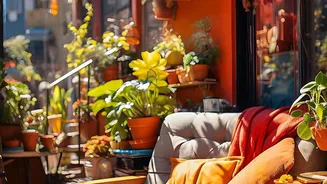
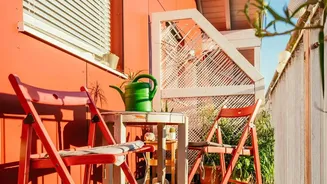
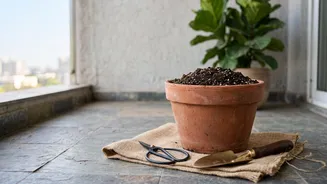
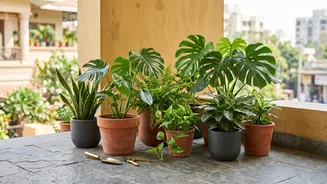
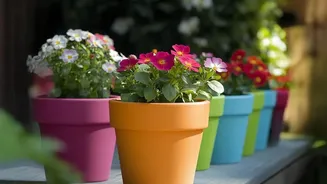
Your garden's beauty is amplified by the decorative elements you choose. Move beyond basic plastic pots and think about materials that add texture and style. Terracotta, ceramic, brass planters, and hand-painted pots can introduce an Indian craft-inspired feel. To maximise a small space, think vertically. Wall-mounted pocket planters, tiered plant stands, and railing planters allow you to grow more without cluttering the floor. A trellis with a climbing plant like Money Plant or Morning Glory can create a lush green wall that also offers privacy. Finally, don't forget lighting. A simple string of warm fairy lights or a few lanterns can transform your balcony into a magical retreat in the evening.
Create a Cohesive and Healthy Ecosystem
The final step is to bring it all together. Arrange your plants to create depth and visual interest. Place taller plants, like sunflowers or a trellised creeper, at the back, with medium-sized shrubs like Hibiscus in the middle and smaller flowering plants like Marigolds and Portulaca at the front or in hanging baskets. This layering technique makes the space feel more like a garden. To keep your new ecosystem healthy for its inhabitants, avoid chemical pesticides. These can be harmful to the very pollinators and birds you're trying to attract. Opt for organic pest control methods and natural fertilisers. A healthy, thriving garden is not only more beautiful but also a more effective sanctuary for wildlife.