




How Does Corn Litter Work?
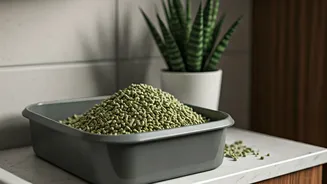
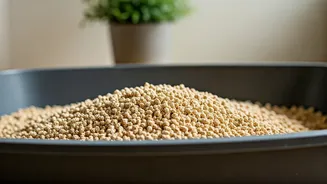
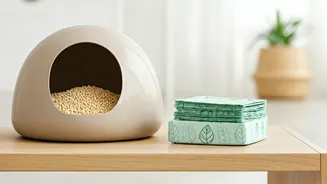
The primary claim of corn-based cat litter is superior odour control, and it tackles this in a few ways. Unlike clay litters that often use baking soda or charcoal to mask smells, corn litter uses its natural properties. The porous, sponge-like structure
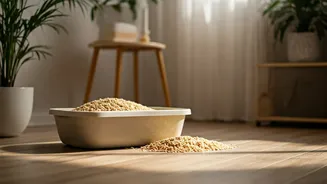
of dried, pelleted corn husks and cobs is highly absorbent, trapping ammonia from urine before it can release into the air. This rapid absorption is key to preventing odours from forming in the first place. Furthermore, many brands have a mild, naturally sweet scent that helps neutralise smells without relying on heavy, artificial perfumes that can be off-putting to both cats and humans.
The Clumping Question
For many cat owners, a litter's ability to form hard, easy-to-scoop clumps is a non-negotiable feature. It makes daily cleaning faster and helps keep the rest of the litter box fresh. Most modern corn litters are formulated to clump. They often contain a plant-based starch that activates when it comes into contact with liquid, binding the soiled particles together. While these clumps are generally effective, some users find they aren't as rock-hard as those formed by sodium bentonite clay. They can be slightly softer and may break apart if you’re not gentle with the scoop. However, they are typically strong enough for easy daily maintenance, offering a good balance between natural composition and modern convenience.
Beyond Odour: Other Key Benefits
One of the most celebrated benefits of corn litter is its low-dust formulation. Anyone who has poured clay litter knows the chalky cloud that can puff up, affecting air quality and leaving a fine film on nearby surfaces. Corn litter is virtually dust-free, making it a great choice for households with allergy sufferers or individuals with respiratory sensitivities. It's also significantly lighter than clay, which makes carrying, pouring, and disposing of it much easier on your back. From an environmental standpoint, corn is a renewable resource. The resulting litter is biodegradable, and some brands even claim to be flushable, though you should always check your local plumbing regulations before flushing any cat waste.
Potential Downsides to Consider
No product is perfect, and corn litter has a few potential drawbacks. The most significant is often the price; it typically costs more per kilogram than basic clay litters. While its longevity might offset some of the cost, the initial sticker shock can be a hurdle. Another concern is your cat's acceptance. Some felines are particular about texture and may not like the feel of corn pellets compared to the fine sand of a clay litter. Finally, because it's a food-based product, it's crucial to store it in a cool, dry place to prevent the growth of mould or attracting pests. While rare, it’s a consideration that doesn't apply to mineral-based litters.
Making a Smooth Transition
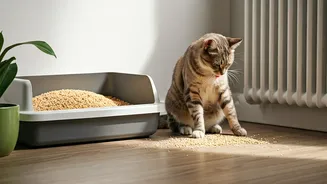
If you decide to give corn litter a try, the key to success is a gradual transition. Cats are creatures of habit and can be resistant to sudden changes in their bathroom environment. Start by mixing a small amount of the new corn litter (about 25%) with your cat’s current litter. Over the course of one to two weeks, gradually increase the proportion of corn litter while decreasing the old litter, until the box is filled entirely with the new product. Pay close attention to your cat's behaviour. If they start avoiding the box, slow down the process or consider that this particular litter might not be the right fit for them.