

What Makes Chandrayaan-4 Different?
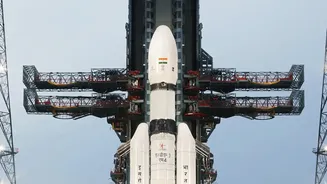
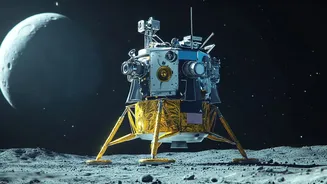
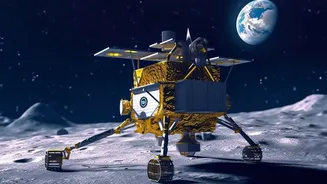
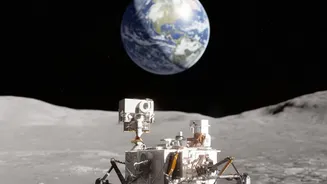
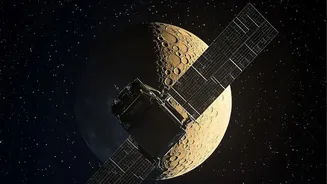
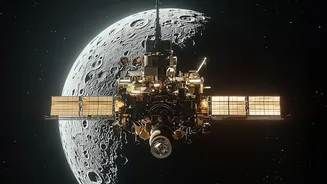
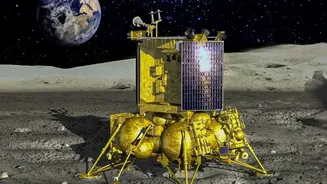
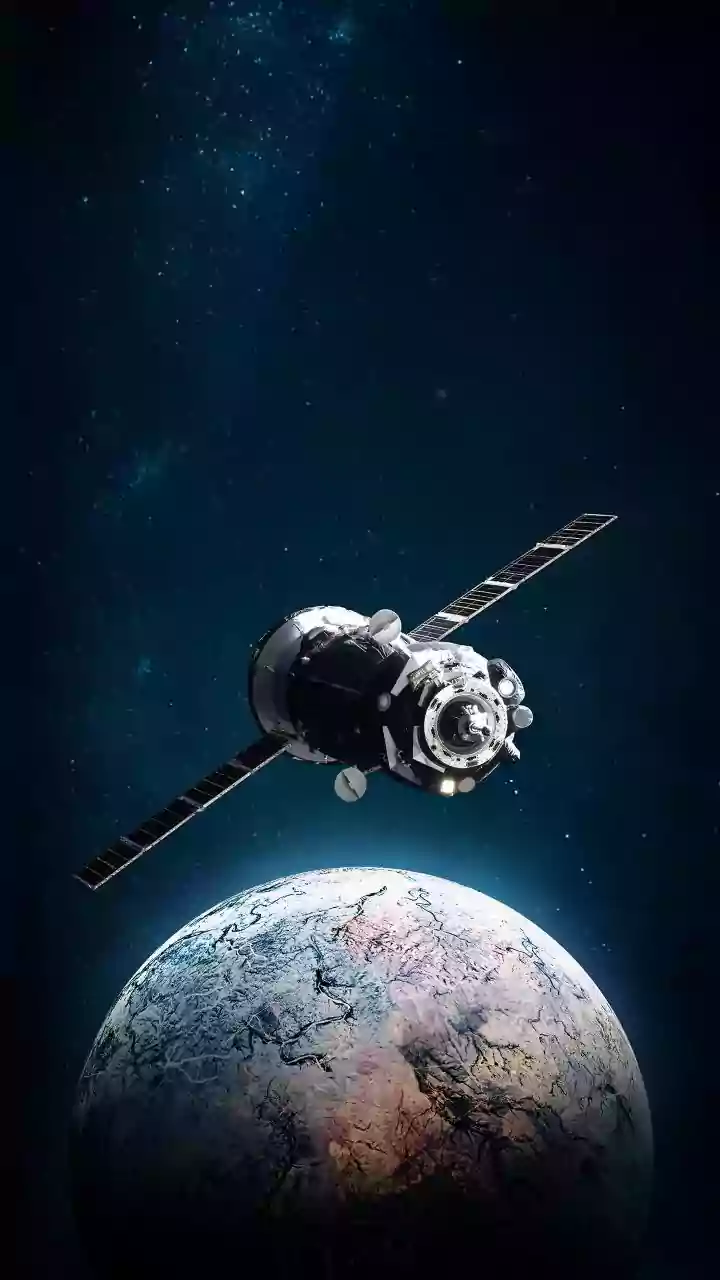
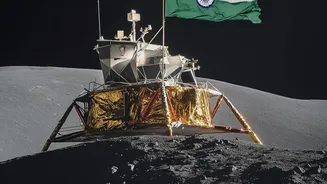
Chandrayaan-4 is India's first lunar sample-return mission. While previous missions studied the Moon from orbit or on its surface, this one aims to collect lunar soil and rocks and bring them home for analysis. This is a monumental undertaking, involving
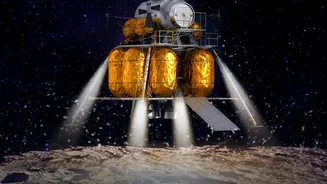
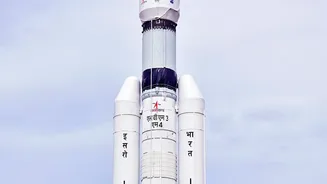
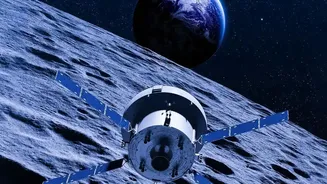
five separate spacecraft modules and two heavy-lift rocket launches. The mission plan includes a soft landing, robotic sample collection, launching a smaller vehicle from the Moon's surface, docking in lunar orbit, and guiding a re-entry capsule safely back to Earth. If successful, India will become only the fourth country to achieve this feat, a critical step towards its goal of a manned lunar landing by 2040.
The Allure of the Lunar South Pole
The mission's target is the Moon's enigmatic south pole, a region of extreme contrasts. It features towering crater rims bathed in near-constant sunlight alongside deep craters that have been shrouded in permanent darkness for billions of years. These Permanently Shadowed Regions (PSRs) are among the coldest places in our solar system. Because they are shielded from the Sun's direct heat, scientists believe these PSRs act as 'cold traps', preserving a pristine record of materials that have landed on the Moon over eons, including water ice. Unlike other parts of the Moon where materials are altered by solar radiation, samples from a PSR would be like a perfectly preserved time capsule.
Secrets Frozen in Time
The most anticipated discovery is, of course, water ice. Finding and analyzing this ice is crucial. It can tell us about the history of water in our solar system—where it came from and how it was distributed. But it's not just about water. These icy deposits are expected to contain other frozen volatiles—compounds like carbon dioxide, ammonia, and methane. Studying these elements in a lab on Earth will offer unparalleled insights into the early chemistry of the solar system. The composition of these ancient ices could hold clues about the very ingredients that may have contributed to the origin of life on Earth.
Reading the Moon's Dusty Diary
Beyond the ice, the lunar soil, or regolith, holds its own secrets. The Moon has no atmosphere to protect it, so its surface is a diary written by billions of years of cosmic history. It has been relentlessly bombarded by solar winds, cosmic rays, and micrometeorites. By analyzing the soil samples returned by Chandrayaan-4, scientists can decipher this history. Furthermore, the south pole is home to the South Pole-Aitken basin, the oldest and largest impact crater on the Moon. Samples from this area could reveal details about the Moon's deep crust and mantle, and help answer fundamental questions about why the Moon's near and far sides are so different.
Paving the Way for a Human Future on the Moon
The scientific discoveries from Chandrayaan-4 have immense practical implications. Confirming accessible water ice is a game-changer for future human exploration. This ice could be mined and processed to provide drinking water for astronauts, breathable oxygen, and, crucially, rocket propellant (hydrogen and oxygen). This concept, known as In-Situ Resource Utilisation (ISRU), is the key to establishing a sustainable human presence on the Moon and beyond. By turning lunar resources into fuel, the Moon could become a refueling station for missions to Mars. The technological capabilities demonstrated by Chandrayaan-4 are foundational for India's ambitions, including the joint Indo-Japanese LUPEX rover mission and eventually putting Indian astronauts on the lunar surface.