




The modern office job often means spending hours chained to a desk. This prolonged sitting can negatively impact your health, contributing to issues from stiff joints to an increased risk for chronic diseases like heart disease and diabetes.
1. Schedule 'Movement Minutes'
One of the
most effective ways to counteract a sedentary day is to make activity non-negotiable. Set a recurring timer or calendar reminder for every 30 to 60 minutes to prompt you to get up and move. This doesn't have to be a major interruption. Use this time for a quick walk to the water cooler, a lap around the office floor, or simply to stand and stretch. The goal is to break up long, uninterrupted periods of sitting. Research shows that these small but consistent breaks in sitting time are crucial for maintaining good circulation, preventing muscle stiffness, and even improving focus when you return to your chair. Think of it less as a break from work and more as an essential part of your work routine that fuels both your body and your productivity.
2. Master the Discreet Desk Stretch
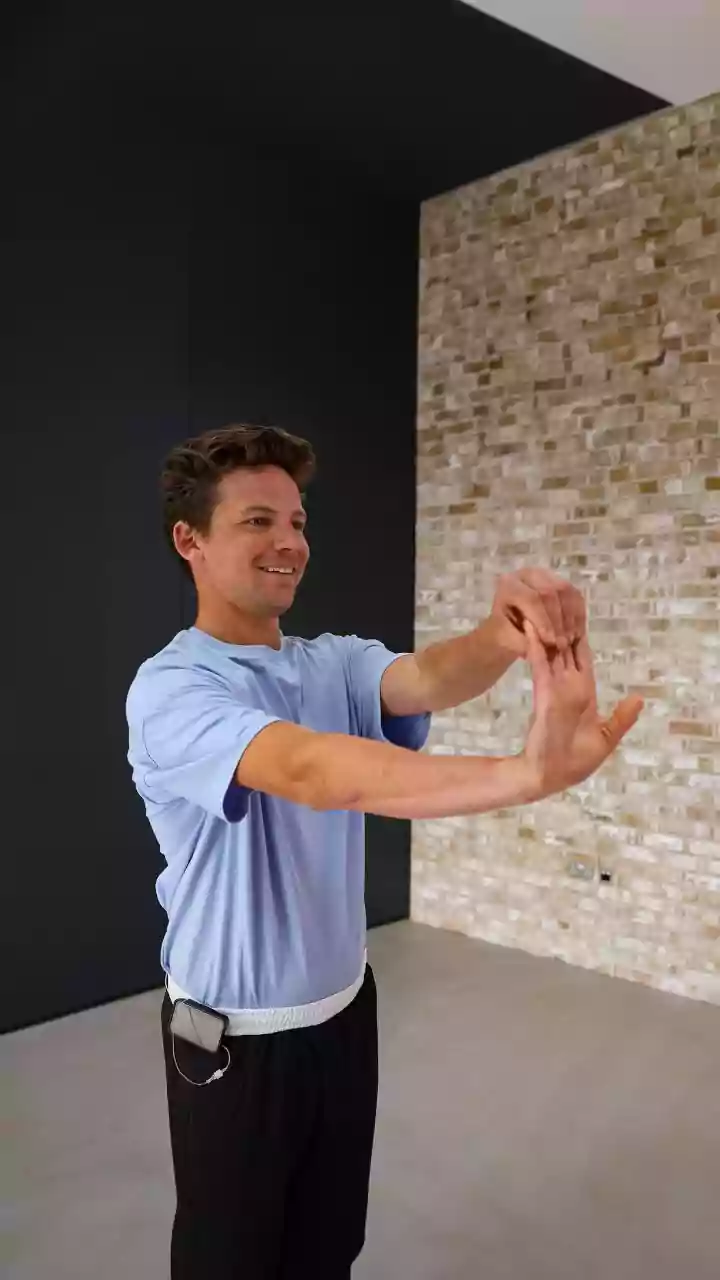
You don't need a yoga mat or a gym to release tension built up from hours of typing and staring at a screen. Simple, subtle stretches can be done right from your chair. Gently tilt your head from side to side to release neck tension. Roll your shoulders forward and backward to ease tightness in your upper back. Extend your arms forward and interlace your fingers, pushing your palms away from you to stretch your arms and upper back. Don't forget your wrists and fingers; extend one arm with the palm up and gently pull your fingers back with the other hand to counteract the effects of typing. Performing these quiet stretches throughout the day can prevent muscle strain, reduce discomfort, and improve flexibility without drawing attention.
3. Stand Up for Calls and Casual Meetings
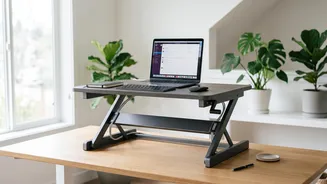
A simple yet powerful habit is to associate standing with specific work activities. Make it a rule to stand up whenever you take or make a phone call. If you have an informal chat with a colleague, suggest a walking meeting instead of sitting in a conference room. This simple change in posture uses more muscles, burns more calories than sitting, and helps reset your body's position. For those with adjustable desks, alternating between sitting and standing is an excellent strategy. But even without special equipment, consciously choosing to stand for tasks that don't strictly require you to be seated can dramatically increase your daily activity level and reduce the negative metabolic effects of prolonged sitting.
4. Embrace 'Micro-Workouts'
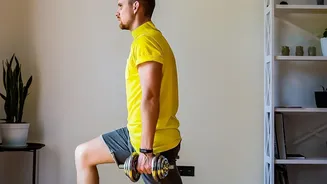
Incorporate tiny bursts of strength-building exercises that are barely noticeable to others. While seated, you can perform leg raises by straightening one leg at a time and holding it for a few seconds to engage your core and leg muscles. When you're standing for a moment, do a few calf raises by lifting your heels off the floor. You can even do desk pushups by placing your hands on the edge of a sturdy desk, stepping back, and lowering your chest toward it. Another great option is the chair squat, where you stand up from your chair and lower yourself back down until you are just hovering over the seat before standing up again. These 'micro-workouts' take only a few seconds but, when done consistently, help maintain muscle tone and improve stability.
5. Make Inconvenience Your Ally
Re_engineer your workspace and daily routines to build in more movement naturally. Instead of using the closest restroom, walk to one on a different floor, taking the stairs if possible. Rather than sending an email to a colleague who sits nearby, take a short walk to their desk to ask your question in person. Park your car a little farther from the office entrance or get off the bus one stop early to add a few extra minutes of walking to your commute. These small, seemingly inefficient choices add up to significantly more steps and activity over the course of a day. By making movement a necessary part of completing simple tasks, you transform your environment from one that encourages sitting to one that promotes an active lifestyle without a second thought.