






Understanding the Kanwar Yatra
The Kanwar Yatra is India's largest annual religious pilgrimage, where devotees of Lord Shiva, known as Kanwariyas, travel to holy sites like Haridwar, Gaumukh, and Sultanganj to collect sacred water from the Ganga. They then carry this water, often on
foot, back to their local temples to perform an offering (Jalabhishek). In 2026, the main pilgrimage period runs from July 30, with the peak day of Sawan Shivratri falling on August 11. The sheer scale of the yatra, which saw over four crore pilgrims in Haridwar in 2025, necessitates extensive traffic management by state authorities to ensure the safety of both pilgrims and commuters.
Key Dates and Affected Corridors
Travellers should be aware of the key dates when restrictions will be at their peak. The Kanwar Yatra begins on July 30, 2026, and culminates with Sawan Shivratri on August 11, 2026. The most severe restrictions are typically enforced for about 10 to 12 days leading up to August 11. The primary corridor affected is National Highway 34 (formerly NH-58), which connects Delhi, Ghaziabad, Meerut, Muzaffarnagar, and Roorkee with Haridwar. The Delhi-Meerut Expressway (DME) and the new Delhi-Dehradun Expressway are also subject to significant diversions and even full closures during the peak period, based on patterns from previous years.
The Phased Diversion Plan
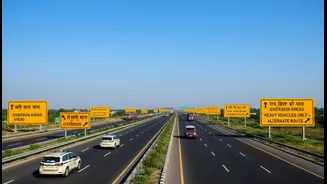
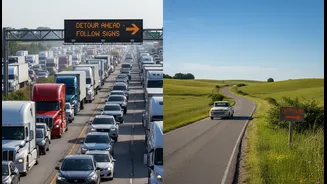
Police departments in Uttar Pradesh, Delhi, and Uttarakhand typically implement a phased approach to traffic management, which becomes progressively stricter. While official 2026 orders are usually announced closer to the date, the pattern is consistent. Phase one often begins around 10-12 days before the peak, with a ban on heavy vehicles on major arteries like the DME and NH-34. In the second phase, about a week before the peak, light vehicles may be restricted to using only one lane or specific timings. In the final, most critical phase, usually from around August 7 to August 12, these highways can be completely closed to all regular traffic to allow safe passage for the massive number of pilgrims on foot.
Alternative Routes for Travellers
If you must travel during this period, planning an alternative route is crucial. For those heading towards Dehradun or Rishikesh from Delhi-NCR, the recommended diversion is often via Panipat and Saharanpur. Another option is to travel via Karnal and Yamunanagar. For travellers heading towards destinations like Moradabad or Lucknow, police often direct traffic from NH-9 onto the Eastern Peripheral Expressway (EPE) to bypass the congested areas of Ghaziabad and Meerut. The newly opened Delhi-Dehradun expressway, while a fast option normally, is expected to be shut for regular traffic during the peak days around August 7-12, so do not rely on it without checking official advisories.
Essential Safety and Travel Tips
Patience is the most important tool for anyone on the roads during the Kanwar Yatra. Expect significant delays and be prepared. If possible, travel at night or in the very early morning, as pilgrim footfall on the highways is generally lower. Always watch out for pedestrians, as Kanwariyas often walk barefoot across entire carriageways. Keep your vehicle stocked with extra water, food, and any necessary medications, as a journey that normally takes a few hours could take much longer. Before setting out, check the latest traffic advisories on the social media handles of the state and district police forces, such as the UP, Delhi, and Ghaziabad traffic police.