





The Wisdom Behind the Speed Limit
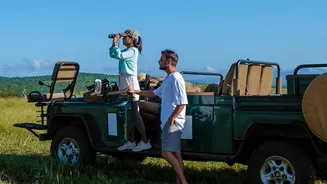
In many of India’s national parks and sanctuaries, the prescribed speed limit is a gentle 20 or 30 km/hr. This isn't an arbitrary number designed to frustrate eager tourists. It is a carefully considered rule rooted in ecological science and animal behaviour.
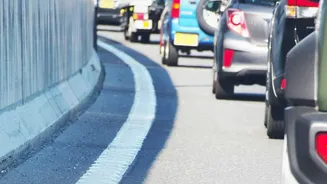
Driving at high speeds through wildlife corridors is a leading factor in vehicle accidents and animal deaths. A slower pace gives both the driver and an animal that might dart onto the road crucial seconds to react, preventing a tragic and often fatal encounter. Many animals are most active at dawn and dusk, times when visibility is naturally poor. Reducing speed, especially during these hours, is one of the single most effective ways to ensure the safety of the creatures you have come to see.
The Art of Seeing the Unseen
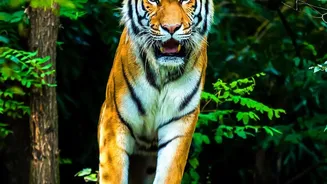
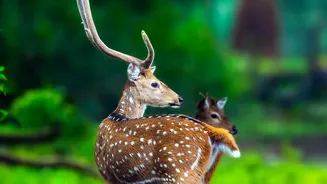
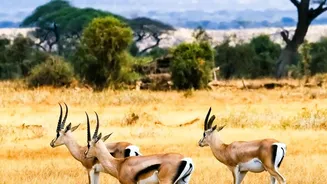
The greatest benefit of slowing down, however, might be for you, the visitor. A fast drive turns the forest into a green blur, a passive backdrop to your journey. A slow drive transforms it into a living, breathing theatre. When you reduce your speed, your senses have time to adjust. Your eyes can pick up on subtle movements in the undergrowth—the flick of a deer's ear, the rustle of leaves that signals a foraging bird, or the camouflaged pattern of a resting predator. You start noticing the smaller, equally fascinating inhabitants of the forest that are completely invisible at 60 km/hr. It shifts the experience from a hurried 'tiger-spotting' checklist to a more immersive and rewarding engagement with the entire ecosystem. Patience and a slow-moving jeep are often the secret ingredients to the most memorable sightings.
Listening for Nature's Clues
Beyond what you can see, there is an entire world to be heard. The roar of a powerful engine and the crunch of tyres on gravel at high speed create significant noise pollution. This noise can be incredibly stressful for wildlife and masks the natural soundscape. Animals rely on sound to communicate, find mates, detect predators, and locate prey. When a vehicle's noise dominates the environment, it can force birds to sing at different times, make it harder for prey animals to hear an approaching threat, and cause some species to avoid the area altogether. By driving slowly and minimising noise—avoiding honking and loud music—you not only reduce your disturbance but also give yourself the chance to hear the forest's own soundtrack: the alarm call of a langur, the distant cry of a peacock, or the snapping of a twig that alerts you to a nearby presence.
A Lighter Footprint on the Land
Responsible travel is about leaving a place as good as, or better than, you found it. The speed of your vehicle has a direct physical impact on the habitat itself. On unpaved roads, which are common in many parks, high speeds kick up enormous clouds of dust. This dust settles on roadside vegetation, coating leaves and hindering their ability to photosynthesise, or absorb sunlight for energy. This can weaken plants and affect the insects and herbivores that depend on them for food. Furthermore, the sediment can wash into nearby streams and water bodies, degrading water quality for aquatic life. Off-roading or veering from designated tracks causes even more damage, contributing to soil erosion and destroying fragile flora. Sticking to the path and maintaining a slow, steady pace is a simple act of stewardship that helps preserve the park's health for generations to come.