



Why Backlighting Is a Decor Game-Changer
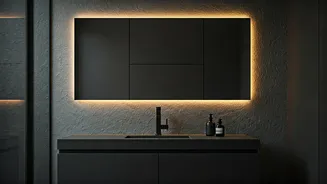
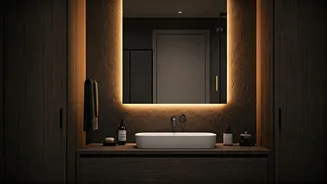
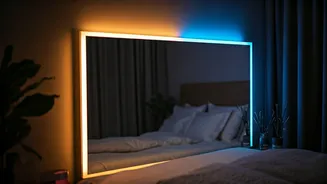
Placing lights behind a mirror does more than just illuminate a space; it transforms it. This technique, known as backlighting, casts a soft, indirect glow onto the wall, creating a halo effect around the mirror. [21] This not only looks incredibly modern
and stylish but also adds a sense of depth, making smaller rooms feel larger. [22] Unlike harsh overhead lights that can create unflattering shadows, backlighting provides an even, gentle light that's perfect for a relaxing sanctuary. [23] It’s an energy-efficient way to add ambient lighting that doubles as a stunning decorative feature, turning a simple mirror into a dynamic focal point. [22, 24]
Choosing Your Perfect LED Strips
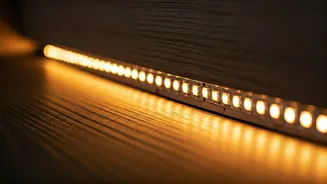
The heart of this project is the LED strip light, and choosing the right one is key. First, decide on the colour type. RGB (Red, Green, Blue) strips let you create millions of different colours, perfect for dramatic mood shifts. [16] For more subtlety, RGBW strips include a dedicated white diode, offering both vibrant colours and a clean, pure white light ideal for practical use. [16] Next, consider brightness, measured in lumens. For ambient mood lighting, a lower lumen count (100-200 per meter) is sufficient, while brighter strips (400+ lumens) can also serve as task lighting. [5] Finally, look for features like smart controls via an app, which allow for easy colour and brightness adjustments. Most strips for home use are low-voltage (12V or 24V), making them safe and easy to work with. [5, 11]
A Simple Guide to Installation
You don't need to be a DIY expert for this project. Most LED strips come with a self-adhesive backing. Start by cleaning the back of your mirror thoroughly to ensure the adhesive sticks properly. [17] Plan your layout by placing the strips about 2 to 4 inches from the mirror's edge to get the best halo effect. [4, 10] Before peeling off the backing, do a quick test to make sure the lights work and you're happy with the placement. [4] Once you're ready, peel and press the strip firmly onto the back of the mirror. [4] For rectangular mirrors, you can simply pinch the strip at the corners to make a 90-degree turn. [10] Finally, connect the strip to its power supply, conceal the wires, and you're ready to glow. [4]
Hacking Your Mood with Colour
This is where the fun begins. The colours you choose can have a real psychological impact. [1] To create a cozy, relaxing atmosphere perfect for winding down, use warm white, amber, or soft yellow light (around 2700K-3000K). [1, 13] These hues can signal your brain it's time to relax and even help melatonin production. [1] Need to feel focused and energized in the morning? Switch to a cool white or light blue (4000K-5000K), which mimics daylight and increases alertness. [1, 3] For a calming, serene vibe, try soft greens or blues, which are associated with nature and tranquility. [9, 13] And for a touch of luxury or creativity, a rich purple can make a bold statement. [9]
Beyond the Bedroom Mirror
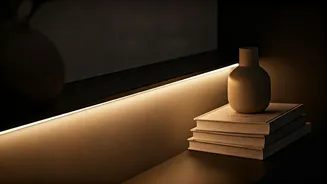
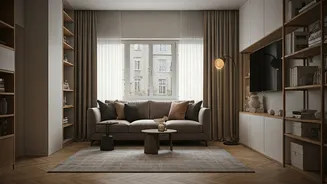
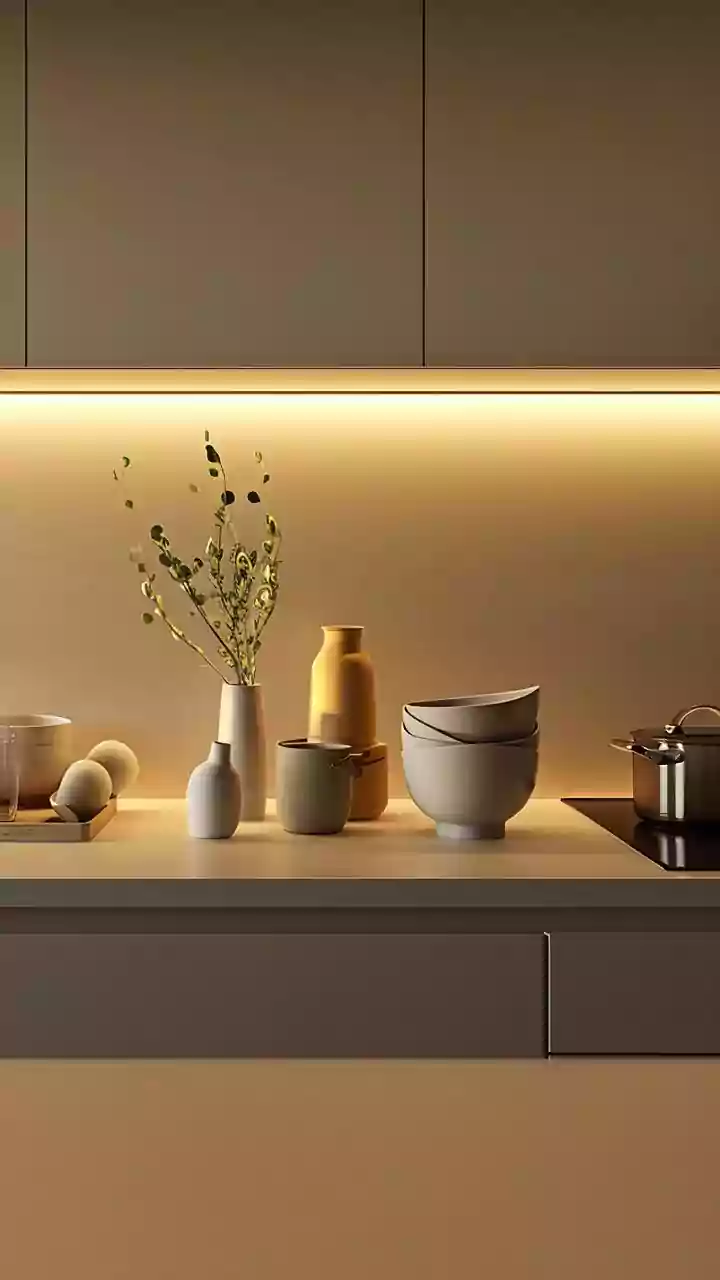
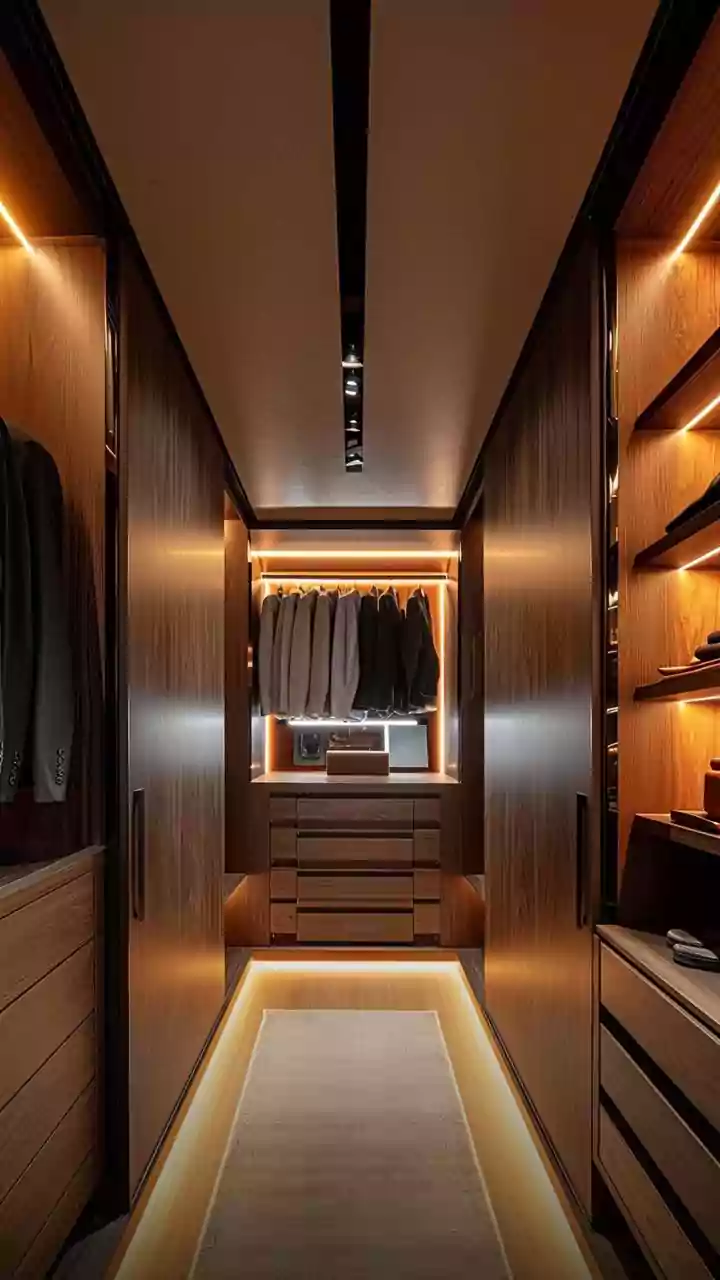
Once you've mastered the mirror, you'll see opportunities for mood lighting everywhere. This same backlighting technique can be used to great effect in other parts of your home. Place LED strips behind your headboard for a hotel-like feel or under your bed frame for a floating effect. [15, 20] In the living room, you can backlight your TV to reduce eye strain during movie nights or place strips along the inside of bookshelves to highlight your decor. They are also fantastic for adding task lighting under kitchen cabinets or creating a welcoming glow in a hallway. [2, 5]