




The Science of a Sharper Sky
The magic behind autumn's clearer skies lies in a simple atmospheric shift. As summer's warmth recedes, the air begins to cool and dry out. Unlike warm summer air, which can hold a large amount of moisture, cooler autumn air is much drier. This reduction
in humidity is a huge benefit for stargazers. Water vapor in the air, even on a cloudless night, creates a hazy effect that can obscure faint stars. This humidity also traps dust, pollen, and pollutants, which further scatter light. When a cool, dry air mass moves in, it effectively cleans the atmospheric window, leading to what astronomers call better "transparency." This means less haze and a darker, more pristine backdrop for the stars to shine against.
The Jet Stream's Helping Hand
Another key player in this seasonal transition is the jet stream, a high-altitude river of air. During autumn, the polar jet stream begins to shift southward. This powerful current helps to push the lingering, muggy air of summer out of the region, ushering in crisper, drier air from the north. These new air masses are not only lower in humidity but are also more stable. The result is a significant reduction in the milky, washed-out appearance that often characterizes summer skies, especially in and around urban areas. Less atmospheric turbulence and haze mean that starlight reaches our eyes with less distortion, making constellations appear sharper and more defined.
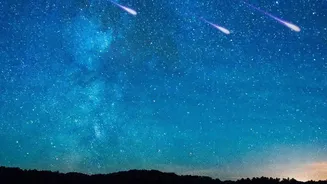
Less Haze, More Shooting Stars
For city dwellers, this reduction in haze has a particularly welcome side effect: it diminishes the impact of light pollution. Urban sky glow is primarily caused by artificial light from streetlights, buildings, and vehicles scattering off particles in the atmosphere. When the air is thick with moisture and aerosols, this light is scattered more widely, creating a bright dome that washes out all but the brightest celestial objects. Drier, cleaner autumn air contains fewer particles to scatter this light. While it won't eliminate light pollution entirely, it significantly darkens the background sky, increasing the contrast and making fainter stars—and, crucially, shooting stars—more visible.
Autumn's Celestial Fireworks for 2026
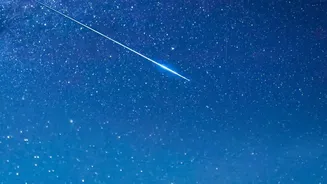
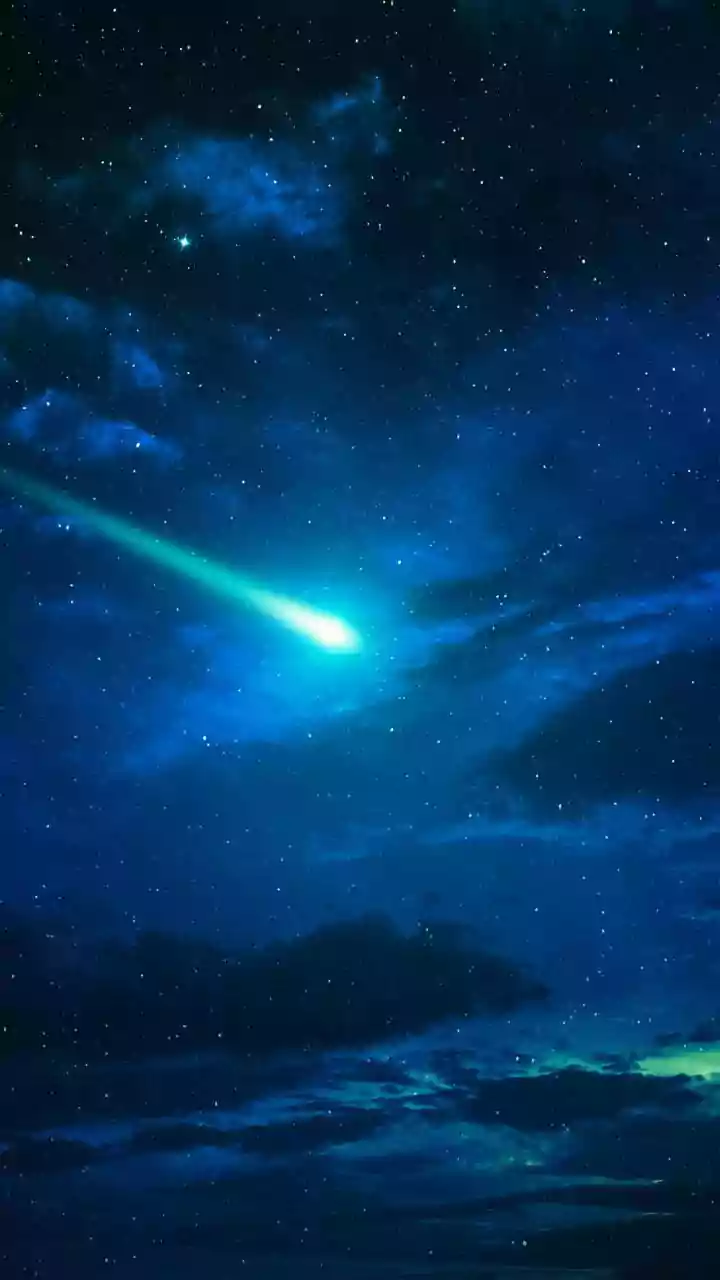
Autumn is prime time for meteor showers, and 2026 offers some exciting opportunities. The Orionid meteor shower, which originates from debris left by the famous Halley's Comet, peaks on the night of October 21-22. These are known for being bright and fast meteors. While a bright moon will interfere during the peak, the hours after it sets in the early morning should still provide a good viewing window. Following that, the Leonid meteor shower peaks on November 17-18. The Leonids are also known for their speed and brightness, sometimes leaving glowing trails. In 2026, viewing conditions for the Leonids are expected to be favorable, with the moon setting early and leaving dark skies for the prime viewing hours after midnight.
Tips for the Urban Astronomer
You don't need to escape the city entirely to enjoy the show. First, find the darkest spot you can. This might be a local park, a rooftop with an open view, or even a quiet street with fewer streetlights. Second, be patient. It takes about 20-30 minutes for your eyes to fully adapt to the dark and see fainter objects. Avoid looking at your bright phone screen during this time. Third, know where to look. While meteors can appear anywhere, they will seem to originate from their radiant point—the constellation Orion for the Orionids and Leo for the Leonids. Finally, timing is everything. The best viewing is typically after midnight and before dawn, when the sky is at its darkest and the radiant point is high in the sky.