

Your Eye's Protective Shield
To understand how smog harms your eyes, it helps to first know how they protect themselves. The surface of your eye is covered by a very thin, three-layer coating called the tear film. This film is not just water; it’s a complex mixture of oil, water,
and mucus. Its job is to keep the eye's surface smooth and clear, provide essential nutrients, and, most importantly, wash away dust and other small particles. This delicate shield is your first and most important line of defense against the environment.
How Smog Breaks Down the Barrier
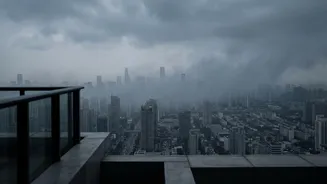
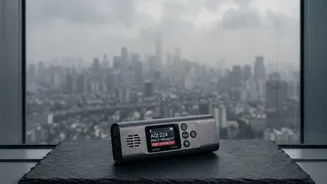
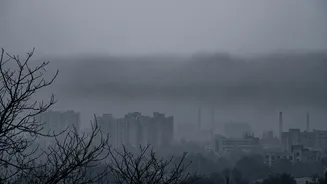
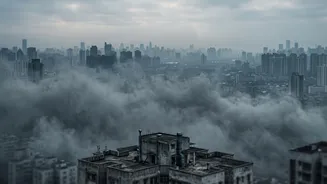
Delhi's smog is a toxic cocktail of pollutants, including fine particulate matter (PM2.5 and PM10), nitrogen dioxide (NO2), sulphur dioxide (SO2), and ozone (O3). When these pollutants come into direct contact with your eyes, they attack the tear film. The fine particles act like tiny abrasives, while gases like ozone can chemically destabilize the film. This disruption causes the watery layer of your tears to evaporate much faster than usual, leaving the eye's surface exposed and unlubricated. This condition is known as dry eye syndrome, a primary reason for the burning and gritty sensation you feel on high-pollution days.
The Itch Factor: An Allergic Response
Beyond just causing dryness, smog can also trigger an allergic reaction. The pollutants themselves can act as irritants that cause the body to release histamines, the same compounds responsible for other allergies. This leads to the classic symptoms of allergic conjunctivitis: intense itching, redness, and swelling. Furthermore, these pollutant particles can carry other allergens like pollen and mould, concentrating them and delivering them directly to the sensitive surface of your eye. This is why rubbing your eyes only makes the itching worse—it spreads the irritants and stimulates more histamine release.
Why Are My Eyes Dry and Watery?
It might seem contradictory, but it's common for eyes to be watery and feel dry at the same time. When the eye surface gets severely irritated by pollutants, it triggers a reflex to produce a flood of tears to try and wash the irritants out. However, these 'reflex tears' are mostly water and lack the crucial oily and mucus layers of the normal tear film. They don't properly lubricate or protect the eye, so while your eyes may be streaming, they still feel dry and uncomfortable underneath.
Simple Steps to Protect Your Eyes
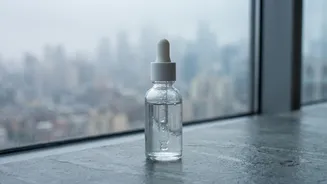
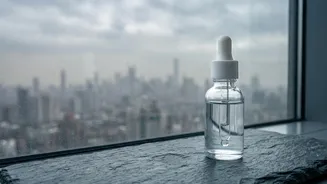
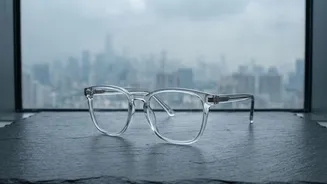
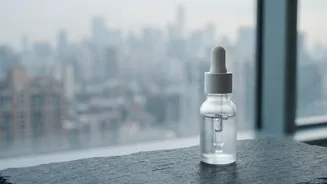
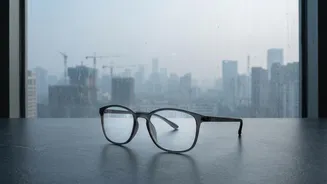
While you can't control the outdoor air quality, you can take simple steps to minimize the impact on your eyes. Wear wraparound sunglasses or even regular spectacles when you go outside to create a physical barrier against pollutants. On high-pollution days, try to limit your time outdoors. If you wear contact lenses, consider switching to glasses, as lenses can trap pollutants against the eye's surface, increasing irritation. Using preservative-free lubricating eye drops, also known as artificial tears, can help supplement your natural tear film, flushing out irritants and restoring moisture. Staying well-hydrated by drinking plenty of water also helps your body maintain adequate tear production.
When You Should See a Doctor
For most people, eye irritation from smog is temporary and can be managed with the steps above. However, if your symptoms are severe, persist for more than a few days, or if you experience significant pain, discharge from the eye, or a sudden change in your vision, it is crucial to consult an ophthalmologist. These could be signs of a more serious infection or damage to the cornea that requires professional medical treatment. A doctor can prescribe stronger anti-allergy drops or other treatments to manage severe inflammation and prevent long-term issues.