






Reduced Visibility and Slippery Surfaces
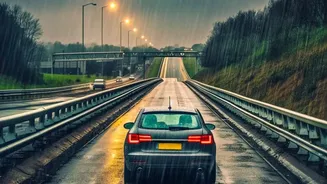
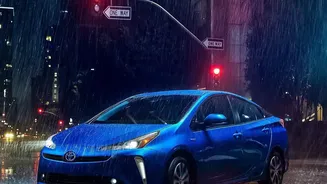
The most immediate change during a downpour is a drastic reduction in visibility. Heavy rain, often combined with fog, can shorten your line of sight to mere metres, making it difficult to spot hazards, other vehicles, or pedestrians. Simultaneously,
the road surface becomes incredibly slippery. The mix of rainwater with oil and dust creates a slick film that significantly reduces tyre grip. This means your vehicle will take much longer to stop than on a dry road, making sudden braking dangerous. For safety, reduce your speed by at least 25-30%, turn on your low-beam headlights to be more visible to others, and double the usual following distance between you and the car ahead.
The Danger of Waterlogged Roads
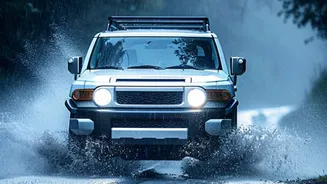
Waterlogging is a common monsoon problem on Indian roads, in cities and on highways alike. These large pools of standing water are deceptive and dangerous. It's impossible to know their true depth or what hazards lie beneath the surface, such as deep potholes, open manholes, or sharp debris. Driving through deep water can cause your engine to stall if water enters the air intake, an expensive problem known as hydrostatic lock. In a worst-case scenario, the force of the water can even sweep a vehicle away. The cardinal rule is simple: if you cannot see the road surface, do not attempt to drive through the water. It is always safer to turn around and find an alternative route.
Aquaplaning: Losing All Control
Aquaplaning, or hydroplaning, is one of the most frightening experiences a driver can have. It happens when a layer of water builds up between your tyres and the road surface, causing the vehicle to lose all traction. At this point, you effectively lose control of steering, braking, and acceleration. This is more likely to occur at higher speeds, as the tyres don't have enough time to channel the water away. To prevent aquaplaning, ensure your tyres have adequate tread depth (at least 3mm is recommended for monsoon safety) and are correctly inflated. If you do feel the car start to aquaplane, do not slam on the brakes. Instead, ease off the accelerator and hold the steering wheel straight until you feel the tyres regain their grip on the road.
Hidden Potholes and Damaged Roads
Monsoon rains wreak havoc on road infrastructure, creating and hiding potholes. Water seeps into small cracks, weakening the tarmac and leading to larger breaks under the weight of traffic. A road that was smooth a week ago can become a minefield of deep, jarring potholes after a few heavy showers. These can be concealed by waterlogging, posing a significant risk of tyre, wheel, and suspension damage. Hitting a deep pothole at speed can even cause a driver to lose control. Always drive slower than usual on rain-affected roads to give yourself more time to spot and avoid these hidden hazards.
Landslides in Hilly and Ghat Regions
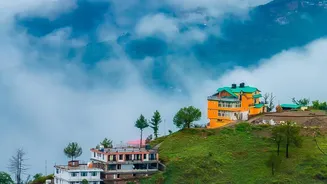
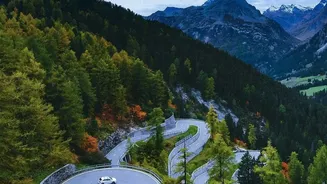
For those venturing into mountainous areas like the Himalayas or the Western Ghats, landslides are a serious and recurring risk during the monsoon. Intense rainfall saturates the soil on steep slopes, which can give way without warning, blocking roads with mud, rocks, and debris. These events can cut off entire communities for days. States like Uttarakhand, Himachal Pradesh, and Kerala are particularly vulnerable. Before starting a trip to any hilly region during the monsoon, check local news and weather advisories for any landslide warnings or road closures. It's wise to have buffer days in your itinerary and to avoid travelling on vulnerable routes during periods of very heavy rainfall.
Essential Vehicle Checks
A well-prepared car is your best defence. Before any monsoon trip, conduct a thorough check. Ensure your tyres have deep treads for grip. Replace worn wiper blades that leave streaks, and top up your windshield washer fluid. Test all your lights—headlights, taillights, and indicators—as they are crucial for visibility. Finally, have your brakes checked, as their performance is critical on wet, slippery roads. These simple checks can make the difference between a safe journey and a roadside emergency.