





The Game-Changing Visa Update
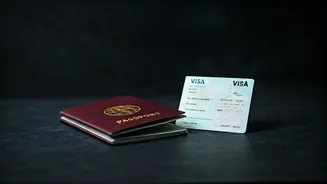
So, what exactly changed? In mid-August 2023, Vietnam officially rolled out a far more generous e-visa policy for citizens of several countries, including India. Previously, the Indian e-visa was a 30-day, single-entry permit. This was fine for a short,
one-off trip but offered little flexibility. The new policy transforms the game entirely: Indian passport holders can now apply for a 90-day, multiple-entry e-visa. This means you can stay for up to three months and can also exit and re-enter Vietnam within that period—perfect for exploring neighbouring countries like Cambodia or Laos before returning. This simple change removes a significant piece of friction, turning a trip that required careful planning into one that can be booked on a whim.
A Frenzy of Bookings Confirms the Trend
The term 'massive wave' isn't just hyperbole. Indian travel platforms reported an immediate and dramatic spike in interest the moment the new policy went live. Companies like MakeMyTrip and Thomas Cook India noted a surge of over 40% in search queries for Vietnam. Booking platform Agoda reported a 33% jump in searches from India. This isn't just window shopping; it's translating into actual bookings. Travel agents are seeing a rise in demand for packages to destinations like Da Nang, Phu Quoc, and Hoi An. The simplified visa process has effectively lowered the psychological barrier to booking, making travellers feel more confident in hitting 'confirm' for a last-minute getaway.
Why Vietnam, and Why Now?
The visa is the trigger, but Vietnam’s appeal runs much deeper. For Indian travellers, it hits a sweet spot of being exotic yet affordable. The Indian Rupee holds strong against the Vietnamese Dong, making it a budget-friendly destination where your money goes further. Beyond cost, the country offers staggering diversity. You can cruise through the limestone karsts of Ha Long Bay, wander through the lantern-lit ancient town of Hoi An, explore the vibrant chaos of Ho Chi Minh City, or relax on the pristine beaches of Phu Quoc. The food culture is another major draw, with world-famous dishes like pho and banh mi available for a pittance on almost every street corner. The new visa simply makes accessing this incredible variety easier and more spontaneous than ever before.
Your Quick Guide to a Spontaneous Trip
Ready to join the wave? Getting the new e-visa is straightforward. You can apply directly through the official Vietnam Immigration Department portal. The process is entirely online: you’ll need to upload a passport photo and a scan of your passport's data page, fill in your details, and pay the fee (around USD 25 for a single entry or USD 50 for multiple entries). Processing typically takes 3-5 working days, so it’s perfect for a trip planned just a couple of weeks in advance. For a first-time, 7-day trip, consider a classic north-to-south route: fly into Hanoi (2 days), take an overnight cruise in Ha Long Bay (2 days), fly to Da Nang to explore Hoi An (2 days), and fly out from there. It's a packed but perfect introduction to the country's magic.
A New Era for Indian Travellers
Vietnam’s move is part of a larger, welcome trend across Southeast Asia. Countries like Thailand and Sri Lanka have also recently introduced visa-free travel for Indians, recognizing the immense potential of the Indian tourism market. This friendly competition to attract Indian travellers is a massive win for us. It means more accessible, affordable, and spontaneous international travel options are opening up. The days of complex visa paperwork and long-term planning for a simple holiday are slowly fading. For a generation of Indians eager to explore the world, the message is clear: pack your bags, the neighbourhood is calling.