




The Monsoon Mountain Dilemma
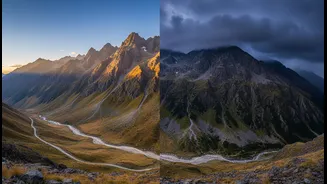
For many Indian travellers, the monsoon season transforms popular hill stations into lush, green paradises. Yet, this beauty often comes with a significant risk. Heavy rains in states like Himachal Pradesh and Uttarakhand can trigger devastating landslides,
washing away roads and leaving tourists stranded. The dream holiday can quickly turn into a nightmare of uncertainty and logistical challenges. This annual problem forces many to either postpone their mountain travel or search for safer alternatives where they can enjoy the crisp air and stunning vistas without constantly checking weather warnings.
Geography’s Gift: The Rain Shadow
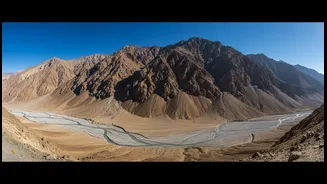
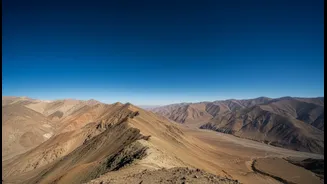
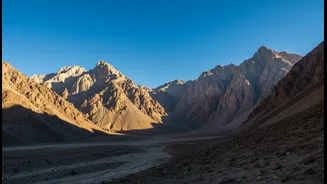
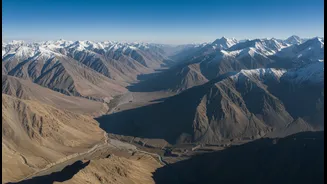
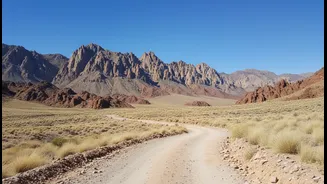
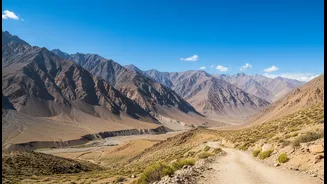
The secret to Ladakh and Spiti's relative safety during the monsoon lies in a simple geographical phenomenon: the rain shadow effect. Both regions are located on the leeward side of the mighty Himalayan ranges. As the moisture-laden monsoon clouds travel from the south, they are blocked by these towering peaks, forcing them to release most of their rain on the windward side. By the time the clouds cross over to Ladakh and Spiti, they have very little moisture left. This makes both regions high-altitude cold deserts that receive minimal rainfall even when the rest of the country is drenched, ensuring clearer skies and far more stable terrain.
Ladakh: A High-Altitude Desert Dream
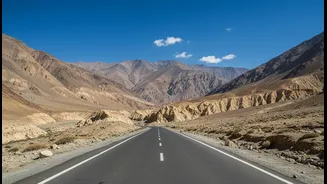
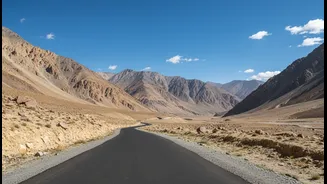
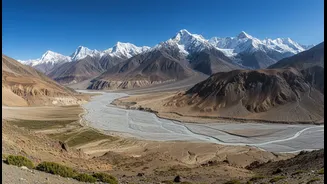
Ladakh transforms into a perfect travel destination from June to September. With roads mostly open and the weather pleasantly warm during the day, it's an ideal time to explore. The stark, lunar landscapes are punctuated by the impossible blue of Pangong Tso and Tso Moriri lakes. Adventure seekers can indulge in white-water rafting on the Zanskar and Indus rivers, which have high water levels perfect for the sport. Culturally, the region is vibrant with festivals at ancient monasteries like Hemis and Pheyang. Explore the sand dunes of Nubra Valley on the back of a double-humped camel, or find serenity in the remote villages of Turtuk and Hanle. The occasional light shower only serves to wash the dust away, leaving the air crisp and the scenery even more dramatic.
Spiti: The Middle Land’s Stark Beauty
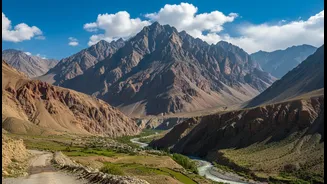
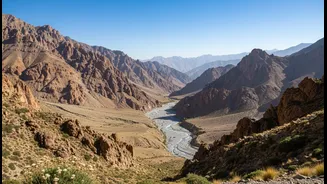
Spiti Valley in Himachal Pradesh, much like Ladakh, benefits from its rain-shadow location, making it a safe bet for monsoon travel. Often called 'Little Tibet', its landscape is a dramatic tapestry of barren mountains, deep gorges, and vibrant green patches of farmland. Summer is the only time the road to the stunning Chandratal Lake, the 'Moon Lake', is reliably open. You can explore some of India's oldest Buddhist monasteries, such as Key, Tabo, and Dhankar, which seem to hang precariously from cliffs. The adventure continues with a visit to Hikkim, home to the world's highest post office, or the high-altitude villages of Komic and Kibber. With fewer crowds than in peak summer, the monsoon months offer a more serene and personal experience of this spiritual and rugged land.
Planning Your High-Altitude Escape
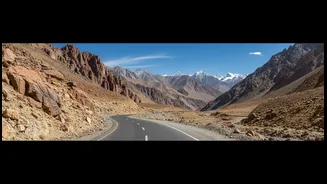
While Ladakh and Spiti are safer from rain-induced landslides, the journey there requires caution. The approach roads, particularly the Manali-Leh highway, pass through areas that do receive heavy rainfall, and delays are possible. Flying into Leh is a popular and safer alternative. Acclimatisation is crucial in both regions due to the high altitude. Plan to spend at least two days at a lower altitude like Leh or Kaza before venturing higher. Pack layers of clothing, as temperatures can drop significantly, especially at night. Include sun protection like sunglasses and sunscreen, as the sun is harsh at high altitudes. While the valleys themselves are dry, carrying a waterproof jacket for the occasional drizzle or for the journey is a wise precaution.