






New Research Reinforces Expert Guidance
Recent findings presented at the American Heart Association's Hypertension Scientific Sessions 2026 drive home a crucial message: effective, professionally guided management of high blood pressure is one of the most impactful preventive health measures
available. A modeling analysis found that expanding proper hypertension treatment could prevent more more than 518,000 cardiovascular deaths annually across 20 countries. This isn't just about taking a pill; it's about a comprehensive, tailored strategy. The research highlights that achieving blood pressure control is more life-saving than other preventive services like cholesterol management alone. This reinforces the idea that while tracking numbers at home is useful, interpreting those numbers and creating a treatment plan requires a clinician's expertise.
The 'Silent Killer' and Its Hidden Dangers
High blood pressure is often called the 'silent killer' because it typically has no obvious symptoms until significant damage has occurred. When your blood pressure is consistently high, it puts extra strain on your arteries, causing microscopic tears. Over time, this damage can lead to atherosclerosis (plaque buildup), narrowing the arteries. This process significantly increases your risk for heart attack, stroke, and heart failure. Beyond the heart, uncontrolled hypertension is a leading cause of kidney failure, can damage the small blood vessels in your eyes leading to vision loss, and is linked to cognitive decline and dementia. These severe outcomes are why waiting for symptoms like headaches or shortness of breath is a dangerous gamble.
Why Self-Management Isn't Enough
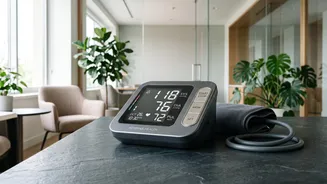
While home blood pressure monitors are valuable tools, they are only one piece of the puzzle. A single reading doesn't tell the whole story. Your blood pressure naturally fluctuates due to stress, activity, and even anxiety about being in a doctor's office—a phenomenon known as 'white coat hypertension'. Conversely, some people have 'masked hypertension', where their readings are normal at the clinic but high at home. Recent research has even linked masked hypertension in older adults to a 70% higher risk of falls. A healthcare professional is trained to look at the big picture: your series of readings, your lifestyle, your family history, and other health conditions. They can determine if your home monitor is accurate, identify patterns, and distinguish a one-off spike from a consistent problem that requires action.
Your Doctor Is Your Partner in Health
Clinical guidance is about creating a personalized plan. The universal treatment target is a blood pressure below 130/80 mmHg, but that goal can be adjusted based on your individual health profile. For someone with Stage 1 hypertension, a doctor might first recommend lifestyle changes for three to six months before considering medication. For another person with the same numbers but who also has diabetes or kidney disease, medication might be recommended sooner. This level of nuanced decision-making is impossible to do on your own. Your doctor can also manage medications, adjusting dosages to find what works best with the fewest side effects, and ensure your treatment plan doesn't conflict with other health needs.