




The World Awakens
The common impulse during a downpour is to seek shelter. For many animals, however, rain is a cue to action. The shift in barometric pressure, the life-giving moisture, and the change in temperature trigger a flurry of activity that is often hidden from
our view. From the smallest insects to larger mammals, the rainy season is a time of opportunity, sparking cycles of feeding, breeding, and migration that turn a damp day into a spectacular, multisensory wildlife safari for the patient observer.
An Amphibian Symphony
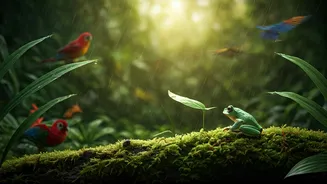
Perhaps no group of animals is more associated with rain than amphibians. Frogs and toads, which need to keep their skin moist to breathe and regulate their bodies, thrive in wet conditions. The rain allows them to travel safely across land without the risk of drying out, a necessity for finding food and mates. Those booming choruses you hear on a rainy night are male frogs broadcasting their availability, and the temporary pools formed by the downpour provide the perfect nurseries for laying their eggs. What seems like a sudden appearance is really just these creatures emerging from their hiding spots—under logs, in burrows, or amidst leaf litter—to take advantage of the perfect conditions.
The Insect Buffet Opens
Rain signals a feast. The moisture softens the soil, prompting earthworms to come to the surface, where they become easy picking for birds. Winged termites, known as alates, often emerge in huge numbers after a storm to find mates and start new colonies. This explosion of insect life, from mosquitoes breeding in puddles to fireflies whose bioluminescent displays are enhanced by the humidity, creates a massive, readily available food source for a host of other animals. This is nature’s all-you-can-eat buffet, and many species are quick to take advantage.
Birds in the Afterglow
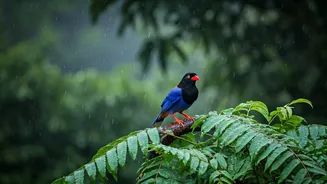
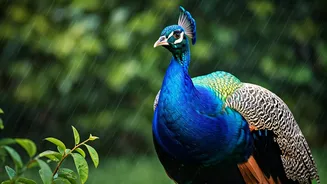
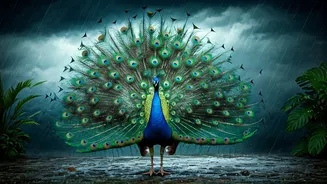
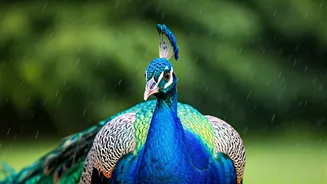
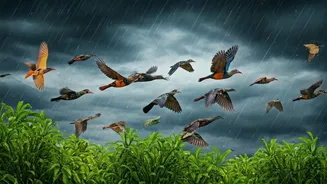
While heavy downpours might send smaller birds seeking shelter in dense thickets, the period during and immediately after the rain is prime time for birdwatching. Many species, like robins and mynas, can be seen foraging on open ground for the newly surfaced worms and insects. The monsoon is also a crucial breeding season for many birds in India, including the Pied Cuckoo, often called the 'rain bird' as its arrival is seen as a herald of the monsoon. The air fills with territorial calls and mating songs, as birds like the Baya Weaver construct their intricate nests. For larger predators like hawks and eagles, the rain can make prey less vigilant and muffle the sound of their approach, offering a strategic advantage.
Mammals and a Scent from the Gods
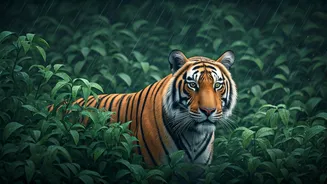
The earthy smell that follows a rain shower, known as petrichor, is more than just pleasant; it's a sign of a rejuvenated landscape. This scent is caused by a combination of plant oils and a chemical compound called geosmin, released from the soil by raindrops. For animals, this refreshed world brings new opportunities. While many mammals seek shelter from heavy rain, others use it to their advantage. The softened ground makes it easier for animals like wild boar to forage for roots. For predators, the rain washes away tracks but also dampens sounds, aiding a stealthy hunt. Even large animals like elephants are often observed enjoying the cooler temperatures, playing in the mud and replenished waterholes.
Your Rainy Day Safari Guide
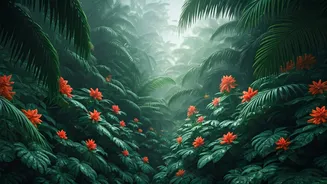
You don't need to travel far; your local park or even a garden can become a wildlife hotspot. Many national parks in India, such as Periyar in Kerala, Ranthambore in Rajasthan (specific zones), and various sanctuaries in the Western Ghats, offer unique monsoon experiences. The key is to go out just as the rain subsides or during a light drizzle. Move slowly and quietly. Pay attention to puddles, which attract a surprising amount of activity. Be prepared with waterproof gear for yourself and your camera, but most importantly, be patient. The world after a rain shower is alive with detail, from raindrops on a spider's web to the vibrant green of the washed foliage.