


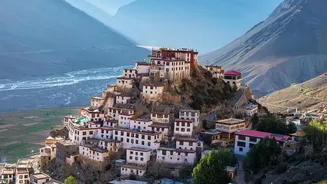

Sangla Valley: A Paradise Found
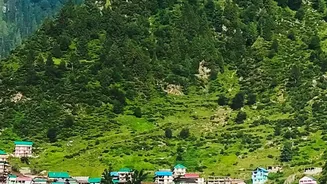
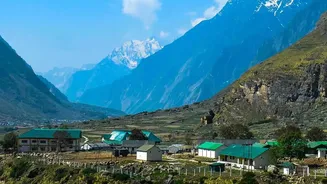
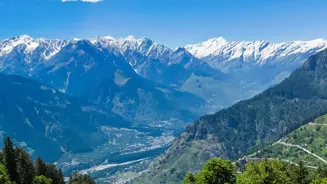
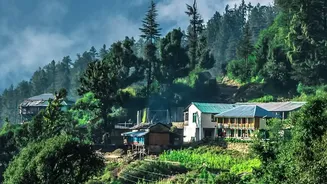
To enter Sangla Valley is to descend into a world of lush greenery and pastoral charm. Also known as the Baspa Valley, its landscape is defined by the crystal-clear Baspa River that flows through its heart. The valley floor is a patchwork of apple orchards,
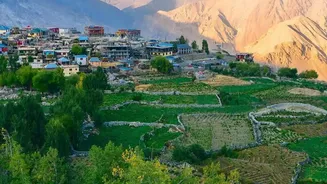
dense pine forests, and terraced fields, creating a sense of immersive beauty. Life here unfolds along the river, with picturesque villages like Rakcham and Batseri dotted along its banks. The experience in Sangla is about being in the landscape — walking through meadows, exploring traditional wooden homes, and feeling the gentle spray of the river. The air feels softer, the scenery more intimate, and the atmosphere is one of active exploration within a fertile, welcoming expanse.
Chitkul: The Last Stop
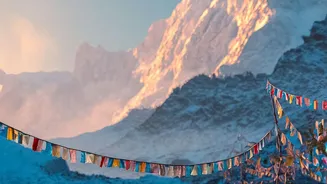
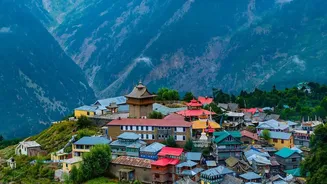
A journey through Sangla Valley is incomplete without a trip to Chitkul, famously known as the last inhabited village on this old Indo-Tibetan trade route. At an altitude of over 11,000 feet, the landscape here is rawer and the air crisper. Chitkul is a cluster of wooden houses with slate or tin roofs set against a backdrop of stark, snow-dusted peaks. It's a place that offers a profound sense of remoteness and tranquillity. A walk through the village or along the Baspa River here feels like stepping back in time, offering a glimpse into a life lived in close harmony with the formidable mountains. It represents the beautiful, rugged end of the road in the Baspa Valley.
Kalpa: A Balcony with a Heavenly View
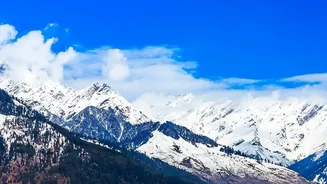
If Sangla is about being in the valley, Kalpa is about gazing upon the heavens from a grand balcony. Perched high above the Sutlej River gorge at nearly 9,700 feet, Kalpa’s identity is dominated by one thing: the staggering, panoramic view of the Kinner Kailash range. This sacred mountain, believed to be the winter abode of Lord Shiva, fills the entire horizon. The experience in Kalpa is more contemplative and awe-inspiring. Mornings are spent watching the rising sun paint the snow peaks in hues of pink and gold. The village itself, with its own apple orchards and historic temples like the Narayan-Nagini complex, is charming, but it always serves as the foreground to the main event across the valley. The feeling here is one of elevation, majesty, and sublime observation.
The Core Distinction: Immersion vs. Awe
The fundamental difference between Sangla and Kalpa lies in perspective. Sangla Valley invites you to immerse yourself at ground level. You explore its length and breadth, following the river and discovering its hidden hamlets and forts like the historic Kamru Fort. It is an experience of verdant, flowing beauty. Kalpa, on the other hand, lifts you up and commands you to look out and across. It offers a singular, overwhelmingly powerful vista that inspires a sense of scale and wonder. While both are quintessentially Kinnauri, Sangla is about the charm of the valley floor, while Kalpa is about the grandeur of the mountain peaks.
How to Plan Your Visit
For travellers, the two destinations are not competitors but perfect complements. An ideal Kinnaur itinerary includes both. Many travellers start from Shimla, heading first into the enclosed beauty of Sangla Valley for a few days to explore Chitkul and the surrounding meadows. This allows for gradual acclimatisation. From Sangla, the drive to Kalpa takes only a few hours. Ending your trip in Kalpa provides a spectacular climax, with its unforgettable views of Kinner Kailash. The best times to visit are during the spring (April to June) for blooming orchards and pleasant weather, or in autumn (September to October) for clear skies post-monsoon and the apple harvesting season.