







Air India's journey to reclaim its 'Maharaja of the Skies' title is one of India's biggest corporate stories. Its latest financial results, however, show a significant loss, revealing just how turbulent and costly this massive turnaround is.
A Look at the Numbers
For the first
half of the 2027 fiscal year, ending September 30, 2026, Air India is estimated to have incurred a loss of approximately ₹10,500 crore. This figure comes from disclosures made by Singapore Airlines (SIA), which holds a 25.1% stake in the Indian carrier. While substantial, this represents an improvement from the same period last year, when losses were estimated at around ₹12,500 crore. This 16% reduction suggests that some of the initial cost-saving measures and operational restructuring efforts under the Tata Group's ownership are beginning to yield results, even as the airline remains in the red.
The High Cost of Flying
A major factor driving the losses is a sharp increase in operating expenditure. The global aviation industry has been hit by volatile and rising jet fuel prices, a primary expense for any airline. For instance, Singapore Airlines, a key partner, reported that its average jet fuel price surged by over 86% to USD 171 per barrel, drastically increasing its own total expenditure. Beyond fuel, Air India is also grappling with external challenges that add to costs, including ongoing airspace closures that force longer, more expensive flight paths for key international routes. These persistent operational pressures make achieving profitability a significant challenge.
The Price of Transformation
The current losses are not just about daily operational costs; they are fundamentally the price of an ambitious, ground-up transformation. Since acquiring the airline, the Tata Group has initiated a multi-year, multi-billion dollar overhaul. This includes integrating systems, people, and operations from the Vistara merger, a complex and costly process. There are also massive investments in overhauling legacy IT systems, refurbishing the existing fleet's interiors, and creating a unified brand and service standard. Both Tata Sons and Singapore Airlines have publicly acknowledged that a turnaround of this magnitude will take considerable time and that short-term financial pain is an expected part of the journey.
Investing in a Modern Fleet
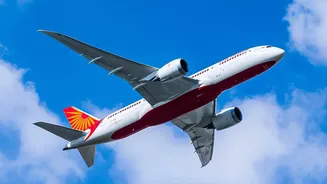
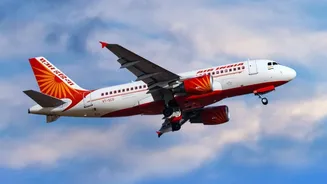
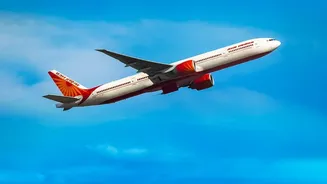
A cornerstone of Air India's revival strategy is its historic order for hundreds of new, modern aircraft. While these new planes are crucial for future competitiveness, efficiency, and customer experience, they come with immense upfront costs. The financial impact of down payments, pre-delivery preparations, and training for the new fleet is being felt now, long before these aircraft begin generating revenue. This long-term investment is essential for replacing an aging fleet and expanding the airline's network but contributes heavily to the current negative balance sheet. The airline is essentially paying today for the world-class fleet it intends to operate tomorrow.
A Long-Haul Flight to Profitability
While the headline loss is significant, key stakeholders are framing it as a necessary phase. The new leadership at Air India, under CEO Tewolde Gebremariam, has made cost-cutting and operational efficiency a top priority. This includes deeper integration with its low-cost arm, Air India Express, to eliminate duplicate functions and streamline back-end processes. Tata Sons Chairman N. Chandrasekaran has previously stated that the full transformation could be a five to ten-year journey. The focus remains on building a sustainable, world-class airline, with the understanding that profitability is a long-term destination, not an immediate stop.