


The City's Giant Storage Heater
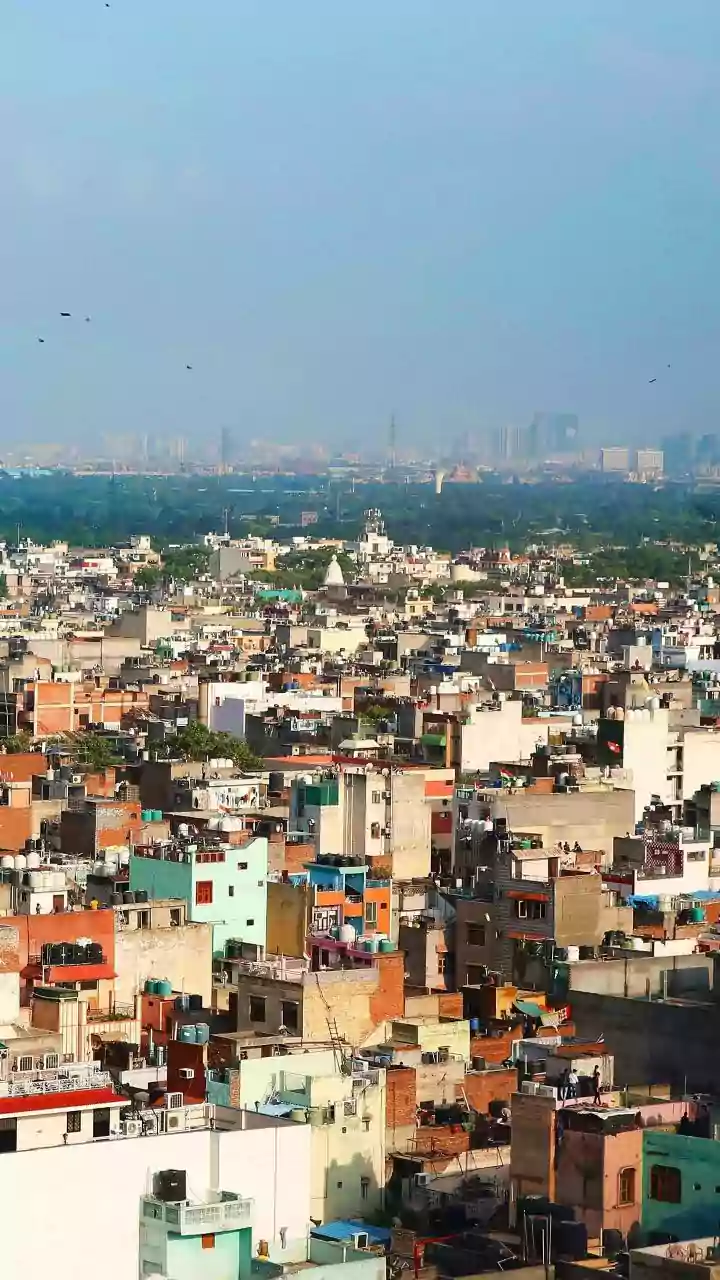
The phenomenon is known as the Urban Heat Island (UHI) effect. In simple terms, it means our cities are significantly hotter than the surrounding rural areas. While waste heat from cars and air conditioners plays a role, the primary driver is the vast
expanse of dark, dense surfaces. Materials like asphalt and concrete are excellent at absorbing and storing solar energy. Throughout the day, they soak up the sun's radiation like a giant sponge. Unlike natural landscapes with vegetation and soil that dissipate heat through moisture, these man-made surfaces hold onto it tightly. This turns our bustling urban centres into enormous storage heaters, which only begin to release their accumulated warmth after sunset.
Why Night Brings No Relief
In a natural environment, the ground cools quickly after sunset, allowing air temperatures to drop. In a city, the process is reversed. As dusk falls, buildings, roads, and pavements begin to radiate the heat they've stored all day. This slow release of thermal energy warms the overlying air, preventing the city from cooling down. The effect is most pronounced on calm, clear nights, where the temperature difference between a city centre and a nearby rural area can be several degrees Celsius. This continuous elevation of nighttime temperature means the urban environment never gets the chance to cool off, creating a relentless cycle of heat exposure for its inhabitants.
The Science of Sleeplessness
This persistent nighttime heat directly sabotages our ability to sleep. Our bodies are hardwired to associate a drop in core temperature with the onset of sleep. This natural cooling process signals to the brain that it's time to rest. When the ambient temperature is too high, our bodies struggle to shed heat, disrupting this vital signal. The consequences are measurable: difficulty falling asleep, more frequent awakenings during the night, and a significant reduction in the most restorative stages of sleep, like REM and deep sleep. Even a one-degree increase in nighttime temperature can lead to a noticeable decrease in sleep duration. This isn't just about comfort; it's a physiological disruption of a fundamental biological process.
A Growing Public Health Concern
For millions living in India's rapidly expanding cities, from Delhi to Mumbai, this issue is becoming more critical. The UHI effect exacerbates the already dangerous impact of heatwaves, which are becoming more frequent. Chronic sleep deprivation is linked to a host of health problems, including cardiovascular issues, metabolic diseases, and weakened immune function. The problem is especially acute for vulnerable populations, such as the elderly, young children, and those in low-income housing who may not have access to air conditioning. What starts as a restless night can compound into a serious public health challenge, highlighting the urgent need for climate-resilient urban planning.
Designing Cooler Cities
Fortunately, cities are not powerless against the heat island effect. The solutions involve rethinking the very surfaces we live on. 'Cool pavements', which use more reflective materials, can bounce a significant portion of solar radiation back into the atmosphere instead of absorbing it. Another powerful tool is increasing green infrastructure. Green roofs, where vegetation is grown on buildings, provide natural insulation and cool the surrounding air through a process called evapotranspiration. Simply planting more trees and creating more parks provides shade and helps cool the urban microclimate. By making smarter choices in our building materials and prioritising green spaces, we can help our cities, and their residents, breathe a little easier.