




The High-Stakes Standoff
Delegates from nearly 200 countries gathered in Antalya with a critical mandate: to accelerate global climate action and translate past promises into concrete implementation. A central goal was to secure a clear, collective commitment on the future of
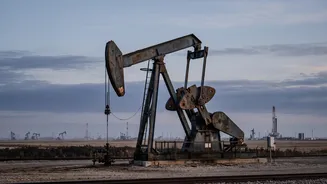
coal, oil, and gas, the primary drivers of climate change. Following the landmark agreement at COP28 to 'transition away from fossil fuels', many nations hoped COP31 would create a more detailed roadmap. However, the summit quickly became deadlocked over this very issue, exposing deep divisions that even two extra days of marathon negotiations could not bridge. The failure to reach a consensus on the overarching 'Antalya Pact' marks the first time a COP has ended without a main political deal since 2009 in Copenhagen.
The Great Divide Over Words
The core of the dispute revolved around language. An initial draft text called for an 'immediate transition away from fossil fuels'. This was met with strong opposition from petro-states like Saudi Arabia and Russia, who pushed back against any language that specifically named energy sources or set firm targets. As negotiations wore on, the language was progressively weakened. Subsequent drafts removed direct mentions of fossil fuels, replacing them with vague phrases like an 'irreversible global transition towards low greenhouse gas emissions'. The final proposed text only made an oblique reference to past agreements and promoted the large-scale use of unproven carbon capture technologies, a proposal critics called a 'dangerous smokescreen' to prolong the life of the fossil fuel industry. For a powerful bloc of over 100 countries, including the European Union, the UK, and many climate-vulnerable island nations, this watered-down text was unacceptable. The EU’s lead negotiator declared they would not accept a deal that 'greenwashes fossil fuels'.
India's Cautious Position
India, navigating its dual goals of economic development and climate action, played a complex role. Aligned with the Like-Minded Developing Countries (LMDC) group, India resisted calls for a blanket fossil fuel 'phase-out', arguing that any global climate action must account for national circumstances and historical responsibilities. Speaking for the LMDC, an Indian negotiator pointedly asked who was responsible for exhausting the world’s carbon budget. New Delhi’s position stressed that ambitious climate targets must be supported by adequate finance and technology from developed nations—a point many developing countries felt was ignored. While India expressed its own dissatisfaction with the final text's dilution of developed country obligations and the lack of clarity on climate finance, it was ultimately willing to accept the compromise to keep the multilateral process moving forward, unlike the EU and its allies who formally rejected it.
Were There Any Silver Linings?
Despite the headline failure, the summit was not a complete wash. Progress was made on several technical fronts. Negotiators adopted final texts on the rules for international carbon markets under Article 6 of the Paris Agreement. Agreements were also reached on a 'just transition' work programme, focusing on making the shift to a low-carbon economy fair for workers and communities, though many operational details were pushed to 2027. Furthermore, while a specific dollar amount was dropped, there was a general call to triple adaptation finance, and some voluntary initiatives, such as a global electrification pledge, saw support from many countries and businesses. However, for many observers and vulnerable nations, these smaller victories were overshadowed by the central failure to address fossil fuels and the inadequate commitments on climate finance.
What Happens Now?
The collapse of the talks in Antalya is a significant setback, but it does not dismantle the Paris Agreement. Countries are still bound by their existing commitments. The failure, however, places enormous pressure on national governments to accelerate their own climate policies. It also raises the stakes for future climate summits, with many of the unresolved issues, particularly around finance and the fossil fuel transition, now deferred to COP32 in Addis Ababa, Ethiopia. As UN Secretary-General António Guterres stated, while there was no consensus in the negotiating room, 'there is no ambiguity in the science'. The lack of a global deal amplifies the urgency for countries like India to balance their development needs with the stark realities of a warming planet, all while navigating a fractured geopolitical landscape on climate action.