

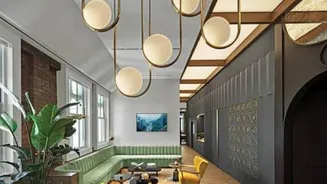
Art Deco: The Beauty of Bold Geometry
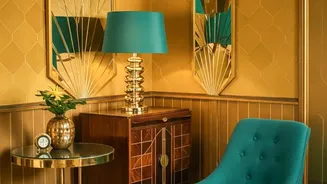
Art Deco is the embodiment of 1920s glamour and optimism, born from an era of industrial progress and artistic innovation. At its heart, this style celebrates man-made beauty through precision, symmetry, and repeating geometric patterns. Think of the sharp
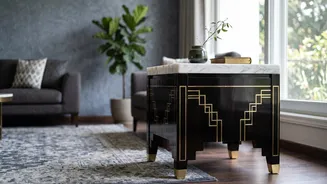
angles of zigzags and chevrons, the elegant repetition of fan shapes, and the dramatic flair of sunburst motifs. These patterns are not random; they create a sense of order, rhythm, and controlled luxury. This style embraces sleek, streamlined forms that feel both modern and sophisticated, often drawing inspiration from the towering silhouettes of skyscrapers and the polished look of new machines like automobiles and ocean liners.
Rustic Style: Finding Charm in Natural Forms
In direct contrast, rustic design finds its soul in nature's imperfections. It is a style rooted in rural living and traditional craftsmanship, favouring authenticity and organic aesthetics over polished perfection. Where Art Deco works with the crisp angle, rustic design embraces the curve and the raw, unrefined line. There are no predictable patterns here; instead, the focus is on the unique grain of a piece of wood, the uneven texture of a stone wall, or the natural form of a handcrafted object. This philosophy celebrates materials as they are found in the natural world, creating spaces that feel grounded, warm, and deeply connected to the outdoors.
A Tale of Two Palettes: High-Contrast vs. Earthy Tones
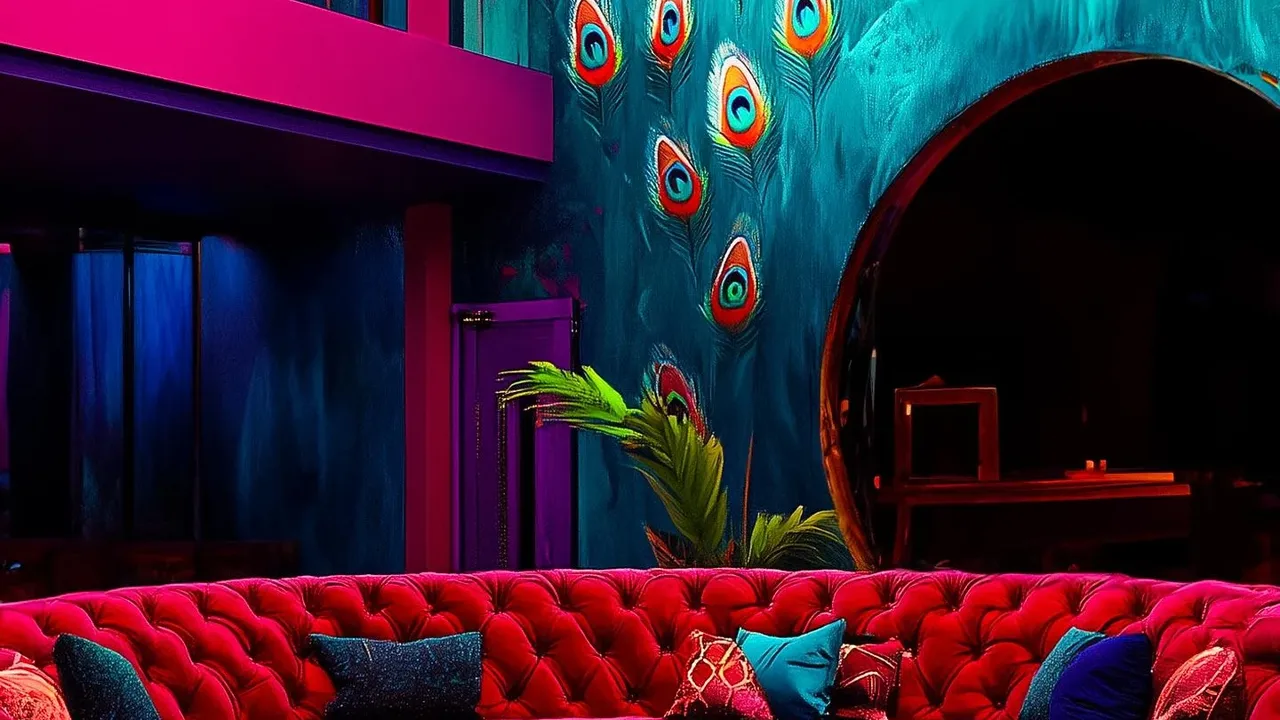
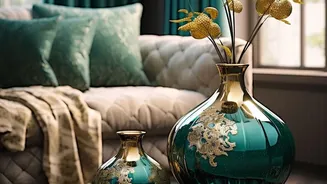
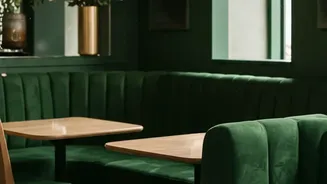
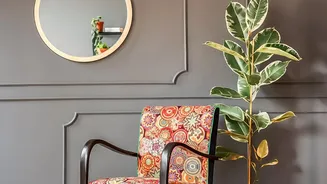
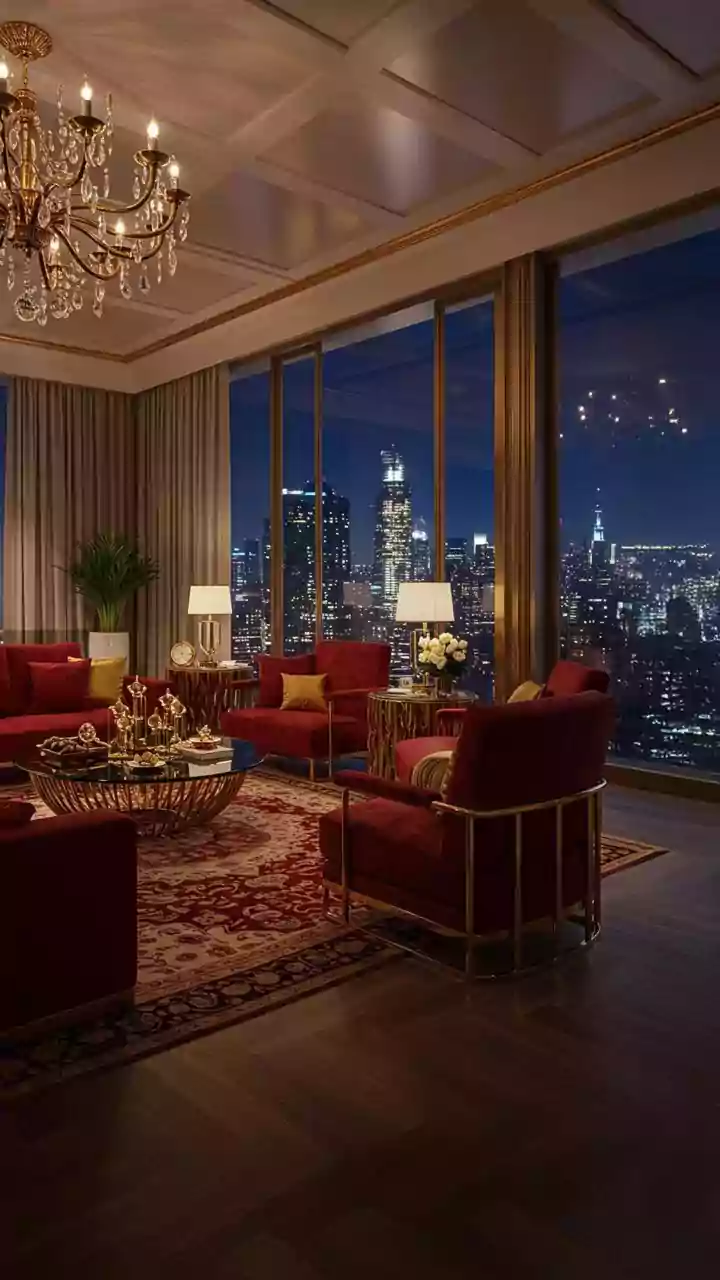
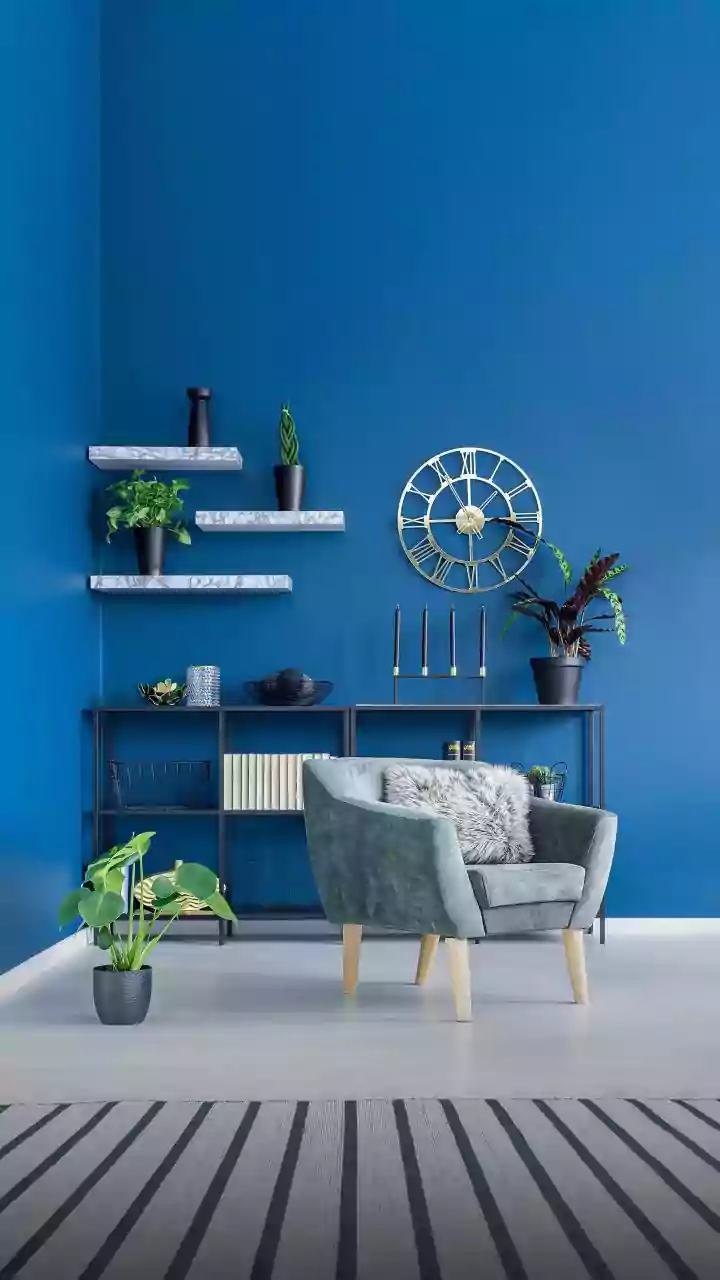
The colour schemes of these two styles further highlight their opposing philosophies. Art Deco is known for its dramatic, high-contrast palettes. Deep jewel tones like emerald green and sapphire blue, vibrant reds, and rich pinks are often set against black, chrome, or gold to create a striking visual impact. This use of bold colour enhances the feeling of opulence and theatricality. Rustic interiors, on the other hand, pull their colours directly from the earth. The palette is dominated by warm, muted neutrals such as soft browns, sandy beiges, creamy whites, and charcoal greys, creating a calm and inviting atmosphere that is easy to live in.
Materials and Textures: Polished Glamour vs. Raw Comfort
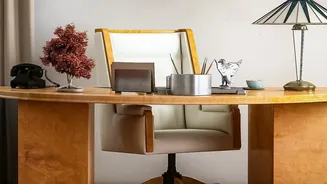
The materials used in each style are a direct reflection of their core values. Art Deco showcases luxury and modernity with its love for sumptuous, reflective surfaces. Polished chrome, stainless steel, gleaming brass, glass, and dark, lacquered woods like ebony are staples of the style. These materials are often paired with rich fabrics like velvet and silk. Rustic design focuses on texture and authenticity. It heavily features raw and reclaimed wood, natural stone, and exposed brick. Textiles are typically natural and hard-wearing, such as linen, wool, burlap, and canvas, adding layers of comfort and softness to a space.
Bringing the Look Home: Key Furnishings and Accents
To bring Art Deco into your home, look for statement pieces with strong lines. A channel-tufted velvet sofa, a sunburst mirror over a console, or lighting fixtures with geometric glass and chrome elements can instantly set the tone. For a rustic feel, prioritise furniture that feels solid and handcrafted, like a dining table made from reclaimed wood or a worn leather armchair. Exposed ceiling beams, a stone fireplace, and woven jute rugs are hallmark features. The key is to choose pieces that either celebrate precise, symmetrical glamour or embrace warm, organic simplicity.