





Spiti Valley, Himachal Pradesh: The High-Altitude Desert
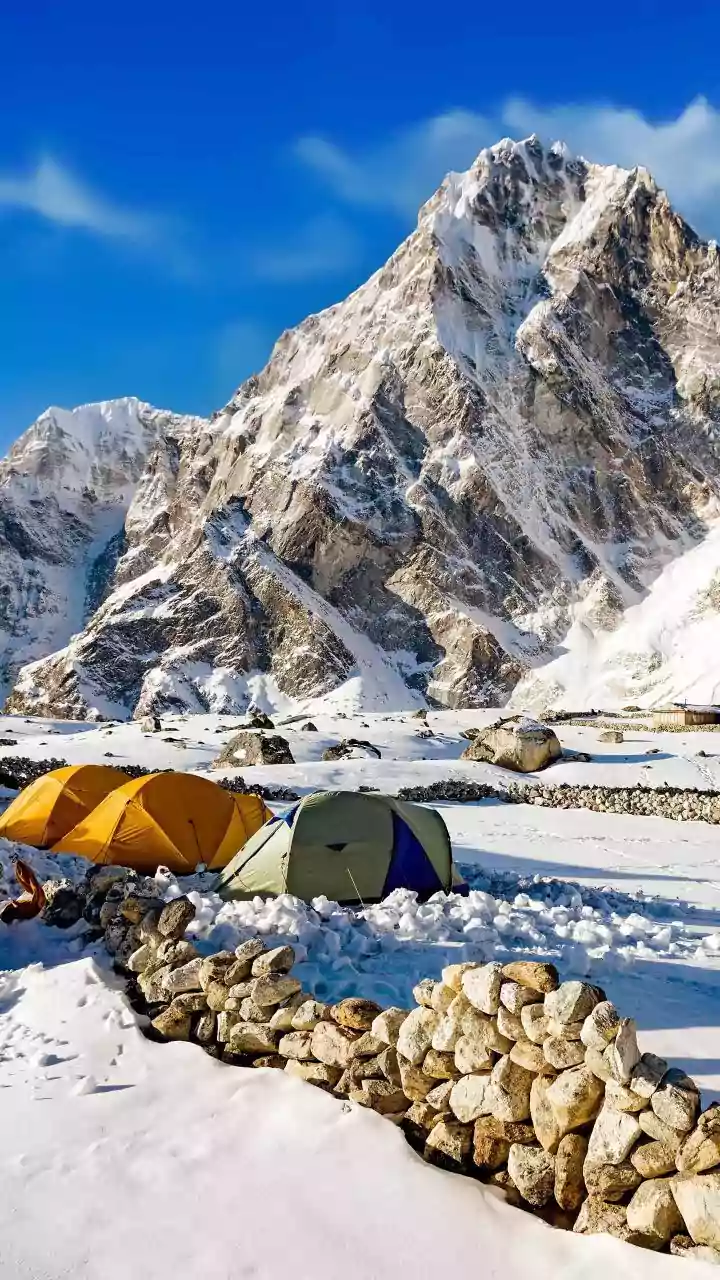
If you want to dodge the downpours entirely, Spiti Valley is an excellent choice. Tucked away in the Himalayas, it's a rain-shadow region, which means the towering mountains block most of the monsoon clouds. [11] While the rest of the country is drenched,
Spiti remains largely dry and sunny. [11] Considered one of the safest Himalayan destinations, its crime rate is virtually non-existent, and locals are known for being peaceful and respectful. [6, 7] However, safety in Spiti is less about crime and more about responsible travel. The primary challenges are the high altitude, unpredictable weather changes, and challenging roads. [6] Proper acclimatization is crucial to avoid Acute Mountain Sickness (AMS). [7] It's recommended to travel slowly, stay hydrated, and plan your itinerary with buffer days. [7, 19] For families and less experienced mountain drivers, the route via Shimla is considered safer as it allows for gradual ascent. [7] With proper planning, a trip to this cold desert offers an unforgettable and safe adventure. [6]
Madhya Pradesh: The Heart of India's Heritage
While central India receives monsoon rains, it is generally less prone to the extreme weather events that affect coastal and mountainous regions. [18] Destinations in Madhya Pradesh like Orchha, Mandu, and Bhopal become incredibly lush and picturesque during this season. [9, 12] The rains transform the state into a 'verdant paradise', perfect for nature lovers. [17] Mandu, an ancient fort city, is often highlighted as a magical monsoon destination, with its ruins looking particularly beautiful after being washed by the rain. [18] Similarly, the lakes in Bhopal are inviting, and the heritage sites in Orchha along the Betwa River offer a grand view. [11, 9] This season is ideal for exploring the state's rich history amidst pleasant weather, as the summer heat has subsided. [18] While some national parks may have limited access, many areas remain open for activities like nature trails and cultural tours, making it a well-rounded and safer alternative to regions with more volatile weather. [9, 17]
The East Coast of Tamil Nadu: A Drier Alternative
For those craving a coastal experience without the intense rainfall of the west coast, the eastern coast of Tamil Nadu is a smart pick. This area lies in a rain-shadow region during the southwest monsoon, meaning it receives significantly less rainfall from June to September compared to places like Kerala or Goa. Destinations such as Pondicherry and the surrounding coastline offer pleasant weather with light showers, making sightseeing comfortable. [25] You can explore the charming French architecture of Pondicherry or enjoy the coastal views without the constant threat of a deluge. [25] This makes it a safer bet for avoiding water-logging and travel disruptions that are common in other coastal areas during the peak monsoon.
Bhutan: The Serene Himalayan Kingdom
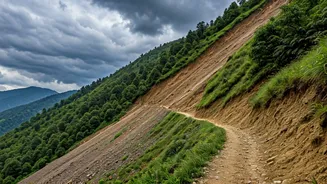
While Bhutan experiences monsoon from June to September, it's not always a non-stop downpour. Rain often falls in the late afternoon or evening, leaving mornings clear for exploration. [24, 33] Key destinations like Paro, Thimphu, and Punakha remain accessible and rewarding. [30, 33] The primary safety concern during this season is the risk of landslides, which can cause travel delays. [21, 24] Therefore, a flexible itinerary is highly recommended. [30] Trekking is generally not advised as trails can be muddy and unsafe. [21, 35] However, for cultural tours, the monsoon offers a unique charm: the landscapes are exceptionally green, waterfalls are in full flow, and there are far fewer tourists. [30, 33] This results in a more peaceful and intimate experience of the country's monasteries and culture. [33] By travelling with an experienced guide and staying updated on conditions, a monsoon trip to Bhutan can be both safe and magical. [30]
Essential Safety Tips for Monsoon Travel
Regardless of your destination, travelling during the monsoon requires extra preparation. Always check the weather forecast for both your destination and the route you'll be taking. [5, 8] Pack quick-drying synthetic clothes, a reliable raincoat, and waterproof footwear. [5, 20] Carry a first-aid kit with essentials for common ailments like colds and indigestion, along with insect repellent to protect against mosquito-borne diseases. [14, 20] Be cautious with food and water; stick to bottled water and hot, freshly prepared meals to avoid contamination. [8, 20] Finally, keep your itinerary flexible and add buffer days to account for potential travel delays caused by weather. [5]