







Avatar: A Technological Leap of Faith
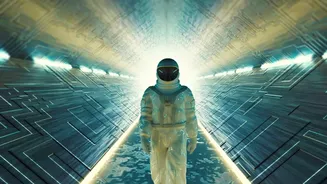
When James Cameron’s 'Avatar' was released in 2009, its premise wasn't what sold tickets—it was the promise of a visual experience unlike any other. The film pioneered modern 3D technology, immersing audiences in the vibrant, glowing world of Pandora.
This wasn't just watching a movie; it was visiting another planet. The 'you have to see it in 3D' buzz drove incredible word-of-mouth, making it a must-see spectacle. People didn't just go once; they returned to re-experience that immersion, a factor that propelled it to become the highest-grossing film of all time for over a decade. Its sequels, including 'Avatar: The Way of Water' and 2025's 'Avatar: Fire and Ash', continued to leverage this formula of pushing technological boundaries to create unparalleled cinematic worlds.
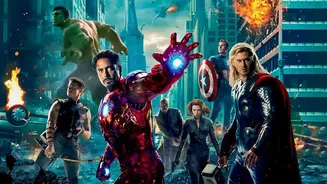
Avengers: Endgame: The Ultimate Narrative Payoff
The success of 'Avengers: Endgame' wasn't built in a single film but over 21 preceding movies. Released in 2019, it was the grand finale of Marvel Studios' 'Infinity Saga,' a decade-long experiment in interconnected storytelling. Audiences had spent years investing in characters like Iron Man and Captain America. 'Endgame' delivered an emotionally resonant conclusion, a culmination of countless stories and character arcs that paid off in a deeply satisfying way. It became a communal experience, with fans cheering, crying, and reacting together in packed theatres. This shared emotional investment is why it shattered opening weekend records, becoming the first film to surpass $1 billion globally in its debut. It wasn't just a sequel; it was a generational event.
Titanic: A Timeless Tale of Love and Loss
Long before 'Avatar', James Cameron also directed 'Titanic' (1997), a film that defied all expectations. Pundits predicted it would be a colossal flop due to its massive budget and production delays. Instead, it became a cultural touchstone. The film’s power lay in its universal theme: a sweeping romance set against a tragic historical event. The story of Jack and Rose was a classic tale of love against all odds, appealing to a massive cross-section of the global audience. Its stunning special effects brought the doomed ship to life, but it was the emotional core that gave it extraordinary legs at the box office, remaining number one for 15 consecutive weekends. It proved that spectacle is most effective when it serves a powerful, human story.
The Force of Franchise and Nostalgia
Many of the highest-grossing films leverage the power of nostalgia. 'Star Wars: The Force Awakens' (2015) and 'Spider-Man: No Way Home' (2021) are prime examples. These films tap into decades of audience goodwill, reintroducing beloved characters while passing the torch to a new generation. They function as both a continuation and a celebration, creating an event that unites multiple generations of fans. Similarly, sequels and prequels, in general, are more likely to earn a profit by building on an established foundation. This built-in audience and emotional connection give franchise films a significant head start in their journey to box office dominance, turning a movie release into a family or community tradition.