



Experiences Over Everything
The most significant change driving this trend is a redefinition of wealth itself. For a growing number of young Indians, a life well-lived is measured in memories, not material possessions. Reports show that spending on experiences like travel and wellness
is projected to grow faster than spending on physical goods. This 'experience economy' is fuelled by a desire for personal growth, happiness, and shareable moments that feel more valuable than a new gadget or car. Instead of viewing a weekend retreat as an indulgence, it is increasingly seen as an investment in well-being and a life rich with stories. This mindset change means the 'return on investment' is no longer purely financial, but emotional and psychological.
The Rise of the Micro-Vacation
Gone are the days of waiting for one big annual holiday. Today's travel rhythm is all about frequency and flexibility. A recent survey found that 70% of young Indian travellers would rather take three short trips than one long one, with 87% preferring journeys that last less than a week. These 'microcations' or 'mini-breaks' are often spontaneous, booked just days or weeks in advance. They fit more easily into demanding work schedules and provide multiple opportunities throughout the year to decompress. This shift from long, planned-out holidays to short, impulsive getaways makes travel a regular part of life rather than a once-a-year event.
Redefining 'Luxury' for a New Generation
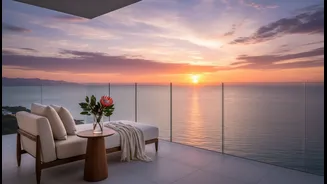
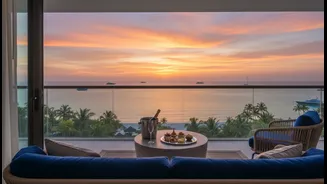
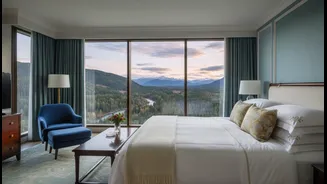
Luxury is no longer just about five-star hotels and infinity pools. For younger travellers, it's about unique, authentic, and personalised experiences. This can mean a stay at a heritage property with a rich history, a quiet wellness retreat focused on disconnecting, or a boutique resort that reflects their personal taste. Recent travel reports highlight that young Indians are increasingly selective, prioritising experiences that feel meaningful and memorable over conventional status symbols. 'Luxury' now encompasses exclusivity, privacy, and cultural immersion. It’s less about the price tag and more about the quality and uniqueness of the emotional return.
The Burnout Antidote
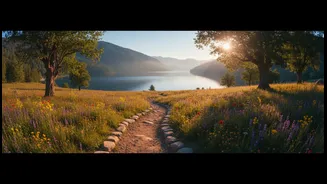
In a world of constant digital noise and high-pressure jobs, the ability to disconnect has become the ultimate luxury. Weekend escapes are increasingly positioned as an antidote to burnout. A significant majority of Millennials (91%) and Gen Z (80%) now cite personal wellness as a primary reason to travel. These trips are not about sightseeing but about 'feeling' better—swapping urban chaos for the calm of nature. This is reflected in the rising popularity of 'quiet retreats' and 'hushed hobbies' where the goal is simply to unplug, recharge, and return to daily life feeling more balanced and emotionally refreshed.
The Bleisure Effect and Smarter Spending
The rise of remote and hybrid work has blurred the lines between business and leisure, giving birth to the 'workation' or 'bleisure' trend. Young professionals can now extend a work trip over a weekend or work from a scenic location, making the travel more efficient and justifiable. Furthermore, young travellers are becoming more financially savvy. They are adept at using digital platforms to find deals and are willing to make sacrifices, such as taking shorter trips or opting for more budget-friendly accommodation, to make their travel goals a reality. This isn't reckless spending; it's a calculated choice to prioritise what truly matters to them.