




Take a Gentle Walk
The urge to nap on the sofa after a big meal is strong, but a short, gentle walk is a far better choice for your digestion. Light physical activity helps stimulate your stomach and intestines, encouraging food to move through your system more efficiently.
This can help reduce that heavy, bloated feeling and also helps to regulate your blood sugar levels. Aim for a slow, 10 to 15-minute stroll. This is not the time for a strenuous workout, which can divert blood flow away from your digestive system to your muscles, actually slowing digestion down. Staying upright also helps prevent acid reflux, where stomach acid can travel back up your oesophagus, causing discomfort.
Hydrate with Water or Herbal Tea
While you might feel too full to drink anything, proper hydration is key. Sipping water helps your body process the extra sodium from a rich meal and can prevent constipation. Don't chug a large amount at once if you're uncomfortably full; just aim for small sips throughout the hours that follow. Another excellent option is a warm cup of herbal tea. Varieties like ginger, peppermint, and chamomile are well-known for their digestive benefits. Ginger can help with feelings of nausea or fullness, while peppermint may relax digestive muscles to ease gas and cramping. Chamomile is a great choice if stress is a factor in your discomfort.
Wait Before Lying Down
As tempting as it is to lie down after indulging, it’s one of the worst things you can do for digestion. When you lie flat with a full stomach, gravity is no longer on your side. This can allow food and stomach acid to move back up into your oesophagus, causing heartburn and slowing the digestive process. Most experts recommend waiting at least two to three hours after a large meal before lying down or going to bed. This gives your stomach ample time to empty most of its contents into the small intestine, significantly reducing your risk of discomfort. If you need to rest, try relaxing in a reclined chair rather than lying completely flat.
Plan a Simple, Light Next Meal
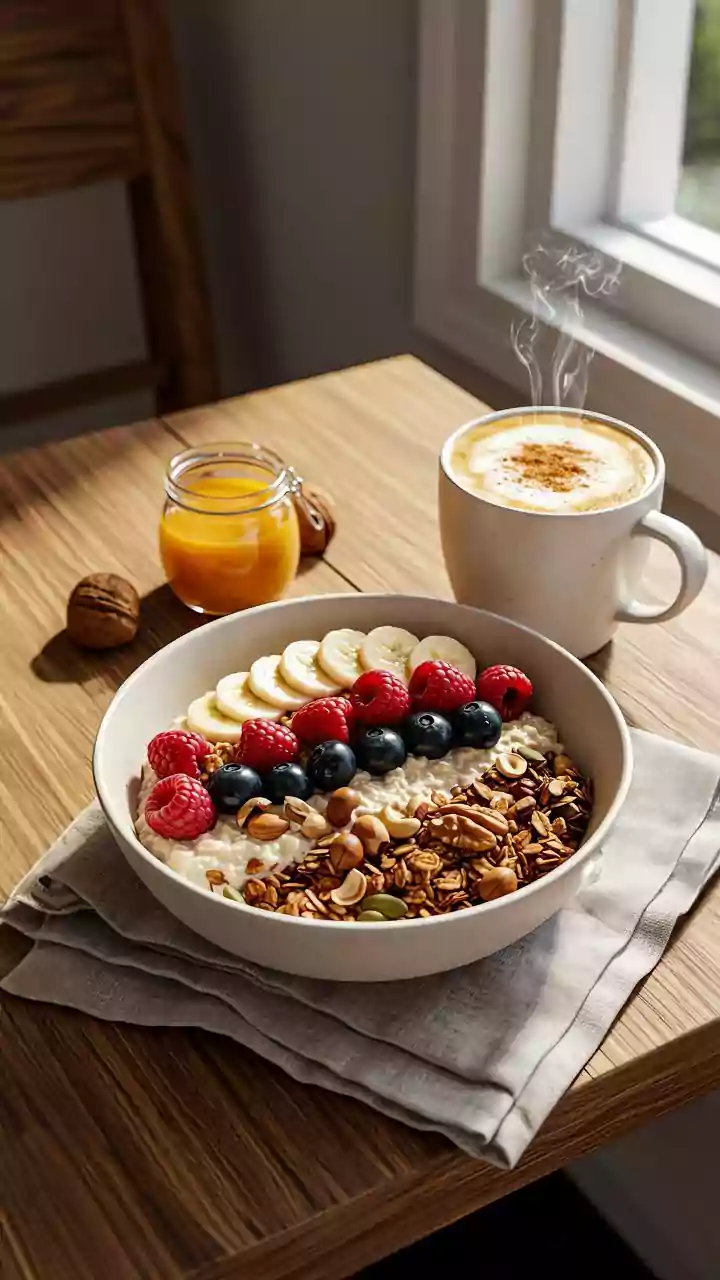
The day after a feast, your first instinct might be to skip meals to 'make up for it'. However, this can backfire, leading to a cycle of restriction and overeating. A better strategy is to simply return to your normal, healthy eating pattern. Don't skip your next meal; instead, make it light and balanced. Focus on foods that are easy to digest, such as whole grains, lean proteins, fruits, and vegetables. These foods provide fibre and nutrients without overburdening your already hardworking digestive system. This gentle approach helps reset your body and mind, reminding you that one heavy meal is just a single event, not a permanent setback.
Incorporate Probiotics
Probiotics are beneficial bacteria that support a healthy gut environment, which is crucial for good digestion. After a heavy meal, incorporating a source of probiotics can help restore balance to your gut flora and aid digestion. You don't need fancy supplements; a simple bowl of curd (dahi) or plain yogurt is an excellent and widely available source of these friendly bacteria. These microorganisms help break down food and can improve the absorption of nutrients. Regularly including probiotic-rich foods in your diet can contribute to better overall digestive health long after the festive season has passed.
Be Kind to Yourself
Perhaps the most important habit is a mental one: don't beat yourself up. Feeling guilty or stressed about overeating can lead to a negative cycle of restrictive eating and subsequent binging. Food is a central part of celebration and culture, and enjoying a special meal is a normal part of life. Acknowledge that you ate more than usual, and then focus on gently guiding your body back to its routine. One meal will not derail your long-term health goals. By letting go of the guilt, you can focus on positive actions that make you feel better, both physically and mentally.