

A Desert State in Full Bloom
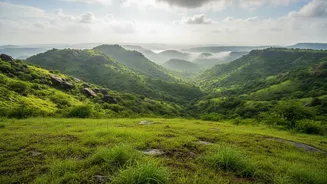
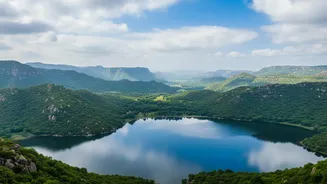
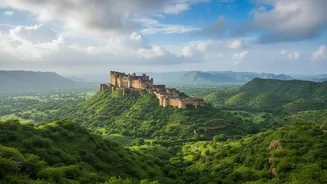
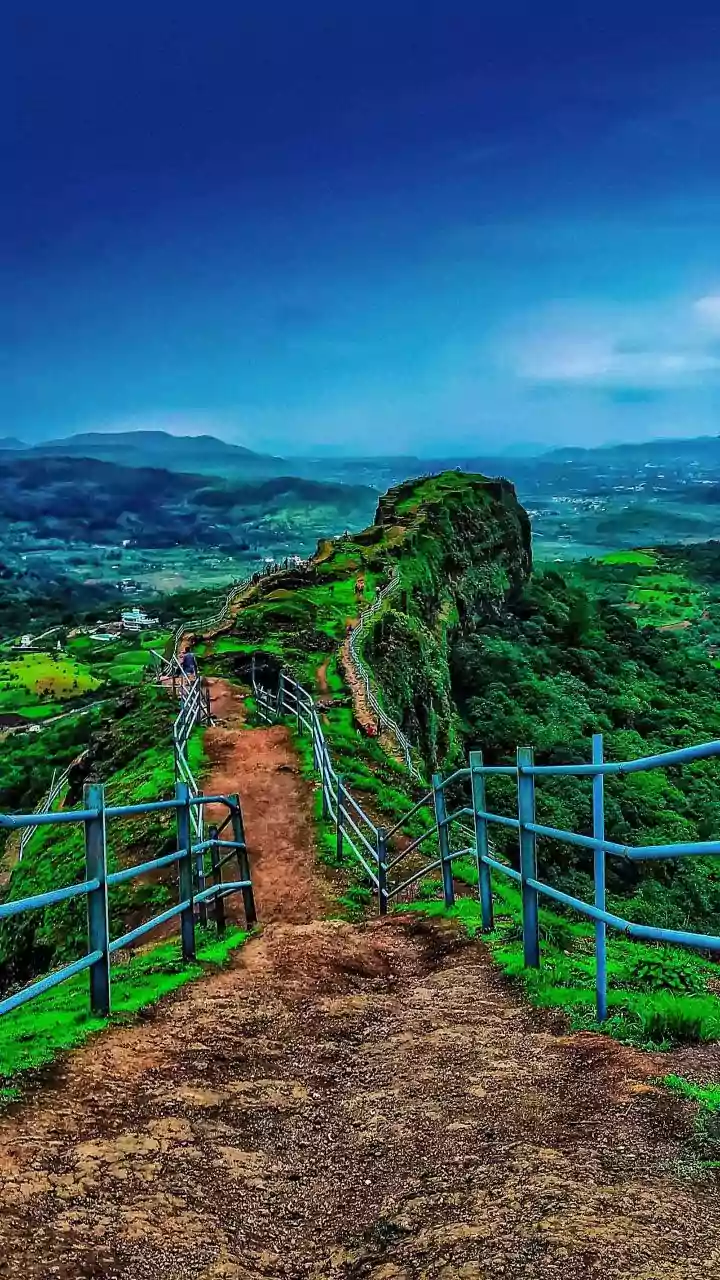
The perception of Rajasthan as a perpetually dry land is being washed away by the current monsoon. From July to September, a dramatic transformation occurs. The Aravalli hills shed their brown coat for a vibrant, velvety green one. This 'green tourism'
phenomenon is driving a significant travel boom, with domestic travellers in particular flocking to see this altered landscape. Improved road connectivity and a desire for immersive, nature-led experiences have fueled this trend. Rather than the scorching heat of summer or the crowded chill of winter, visitors are finding a sweet spot in the cool, rain-fed months, enjoying popular sites without the overwhelming crowds and at better prices.
Udaipur: The City of Lakes, Reborn
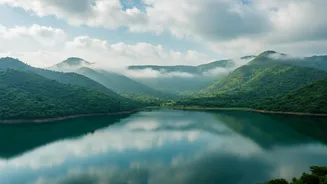
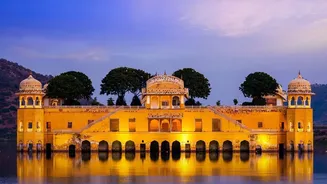
No city embodies this monsoon magic better than Udaipur. Known as the 'City of Lakes', its true charm is unlocked when those very lakes—Pichola, Fateh Sagar, and Badi—are filled to the brim. The surrounding hills turn a lush green, providing a stunning backdrop to the majestic City Palace and lakeside havelis. A boat ride on a rain-fed Lake Pichola becomes a serene experience, while a drive up to the Sajjangarh Palace, aptly named the Monsoon Palace, offers breathtaking panoramic views of the clouds rolling over the transformed city. This seasonal beauty is why Udaipur consistently tops tourist charts during the monsoon.
Mount Abu: A Hill Station Haven
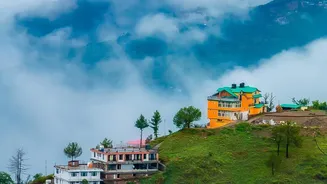
As Rajasthan's only hill station, Mount Abu has always been a refuge from the heat, but the monsoon elevates it to another level. The granite peaks of the Aravalli Range get wrapped in dense fog, waterfalls spring to life, and the air becomes crisp and cool. Boating on a misty Nakki Lake offers a tranquil, romantic experience that is a world away from the desert plains below. The drive to Guru Shikhar, the highest point in the Aravallis, winds through verdant landscapes and offers cloud-capped vistas. The pleasant weather and lush scenery make it a favored destination for families and couples seeking a refreshing getaway.
Beyond the Obvious: Hidden Monsoon Gems
While Udaipur and Mount Abu are prime attractions, the monsoon's touch extends across the Aravalli belt. Kumbhalgarh Fort, with its massive wall second only to the Great Wall of China, becomes a formidable sight shrouded in mist, with incredible views over the greened-up wildlife sanctuary below. The Hadoti region also shines, with Bundi, the 'City of Stepwells', offering a fairytale-like experience as its 50-plus baoris fill with water and its blue houses glisten in the rain. For those seeking truly offbeat tracks, Banswara, known as the 'City of a Hundred Islands', transforms into a landscape more reminiscent of Kerala, with countless green islets scattered across vast water bodies.
Planning Your Monsoon Escape
A monsoon trip to Rajasthan offers unique advantages, including fewer crowds and better hotel rates. However, it requires some planning. It is wise to pack a lightweight rain jacket and waterproof bags. While rainfall is typically in short bursts rather than constant downpours, it's best to keep travel itineraries flexible and check weather updates, especially for trips on hilly roads. Booking accommodation in advance is recommended, particularly for long weekends when domestic tourism peaks. Most importantly, embrace the slower pace. The monsoon is a time for enjoying a hot cup of chai from a lakeside cafe, taking a leisurely drive through the countryside, and seeing a side of royal Rajasthan that most travellers miss entirely.