


The Magic of North-Facing Light
In the world of houseplants, light is everything. While many assume all succulents need scorching sun, the opposite is often true for the most popular trailing varieties. A north-facing window or balcony provides bright, indirect light for most of the day.
This gentle, consistent illumination prevents the sensitive, fleshy leaves of many succulents from getting sunburned or scorched, which can happen with intense southern or western exposures. This type of light promotes healthy, steady growth without the stress of harsh, direct sun, making it the ideal orientation for creating a vibrant, thriving display. It provides enough light for photosynthesis without overwhelming the plants.
Choosing Your Trailing Superstars
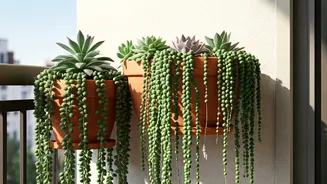
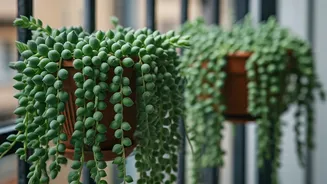
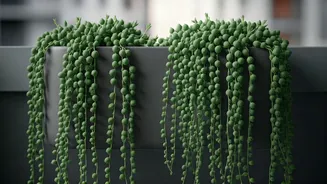
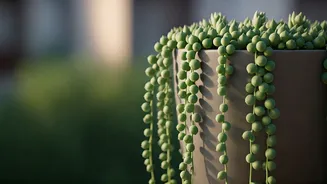
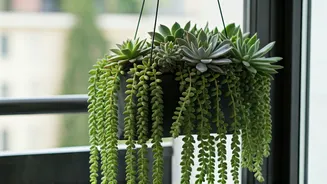
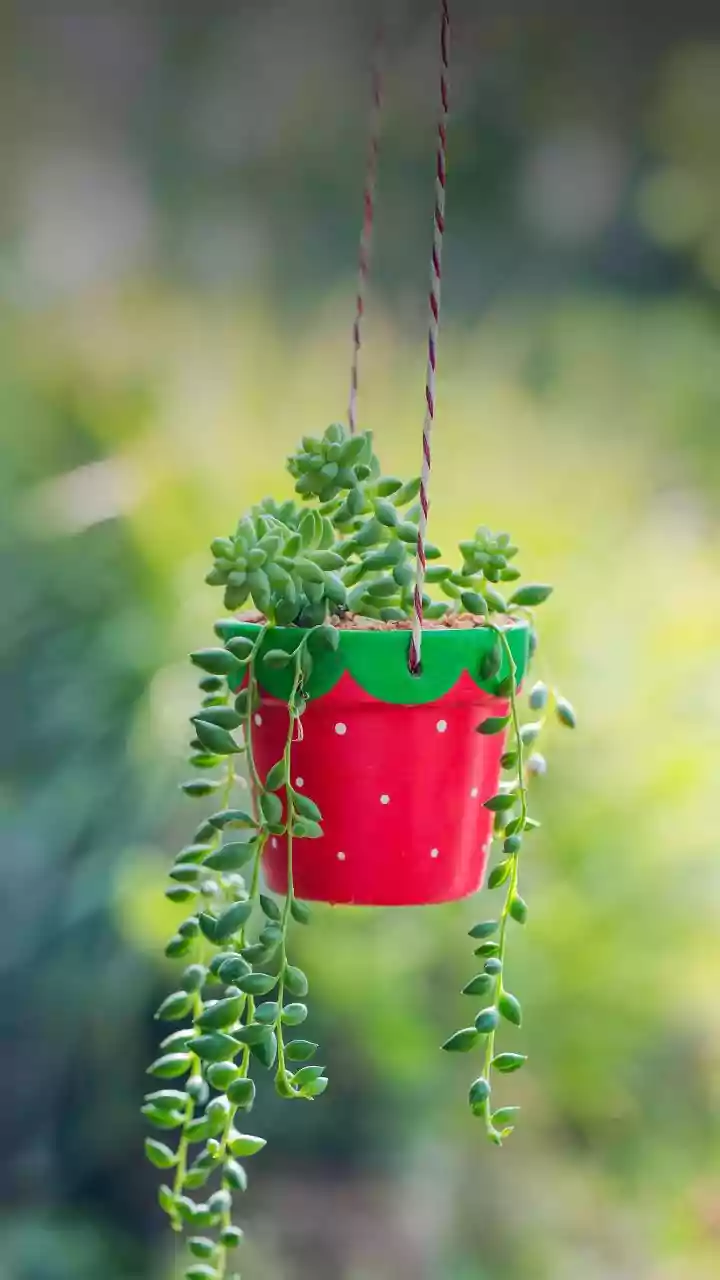
Not all succulents are created equal when it comes to hanging. For a north-facing spot, you need varieties that appreciate indirect light. The String of Pearls (Senecio rowleyanus) is a classic choice, with its iconic pea-shaped leaves. Similarly, the String of Hearts (Ceropegia woodii) offers delicate, heart-shaped leaves on slender vines that create a romantic feel. Another fantastic option is the Burro's Tail (Sedum morganianum), known for its thick, overlapping blue-green leaves that form long, heavy braids. Other worthy candidates include String of Bananas, String of Nickels, and Trailing Jade, all of which will cascade beautifully from a hanging pot.
Planters and Potting for Success
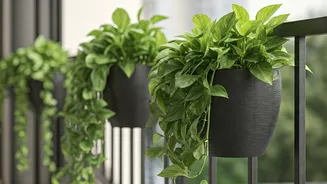
The right container not only complements your decor but also ensures your succulents stay healthy. Good drainage is non-negotiable for succulents, as they are highly susceptible to root rot if left in standing water. Choose hanging planters with drainage holes. Terracotta pots are an excellent choice as they are porous and allow soil to dry out faster. You can place these inside more decorative macrame hangers or minimalist metal frames for a stylish touch. When it comes to soil, always use a cactus or succulent-specific potting mix. This type of soil is sandy and well-draining, preventing the dense water retention that can harm your plants.
The Art of a Lush Arrangement
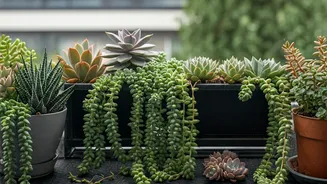
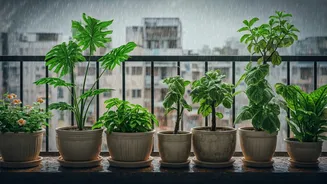
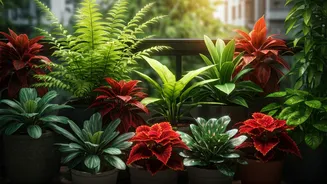
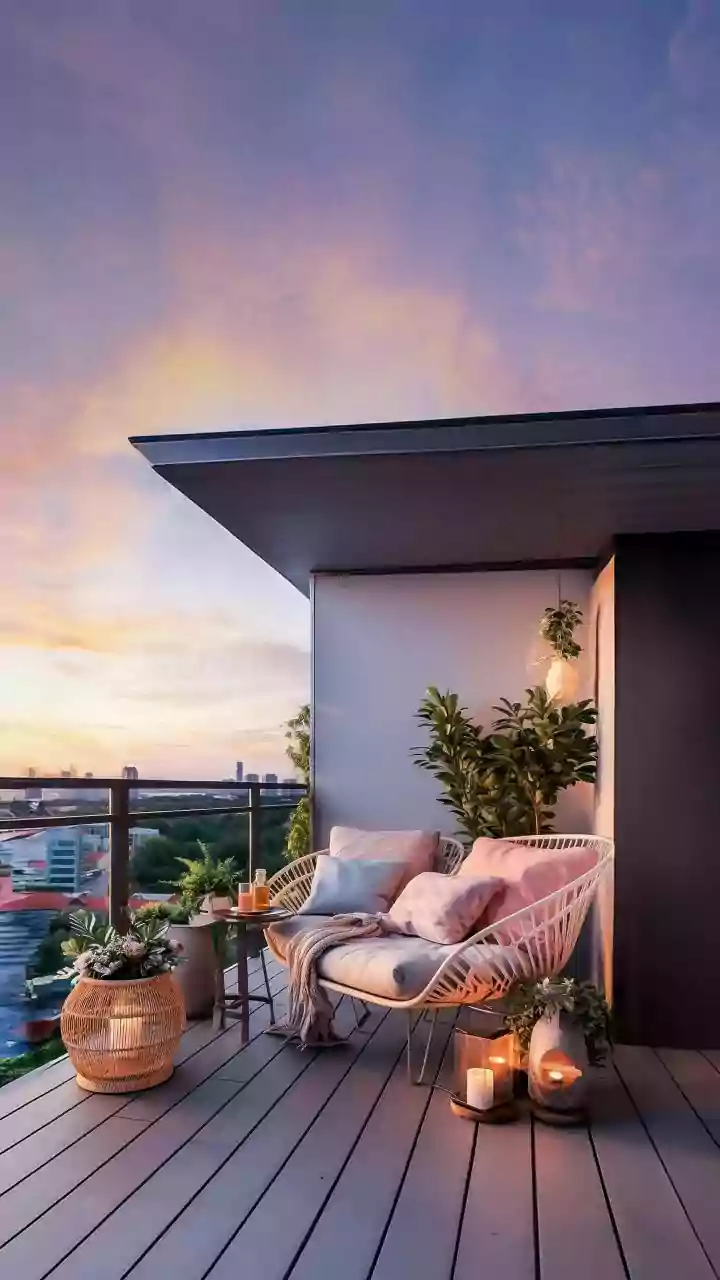
Creating a professional-looking balcony garden is all about layering and texture. Don't be afraid to mix and match different types of hanging succulents. Combine the fine texture of a String of Pearls with the bolder leaves of a Trailing Jade. Play with heights by using hangers of different lengths to create a cascading, multi-level effect. This vertical arrangement draws the eye upward and makes even a small balcony feel more spacious and dynamic. You can also incorporate a few upright succulents in pots on the floor or on shelves to create a cohesive, jungle-like atmosphere.
Watering and Ongoing Care
The most common mistake with succulents is overwatering. These plants are drought-tolerant and store water in their leaves, so they prefer their soil to dry out completely between waterings. A good rule of thumb is to water thoroughly every 2-4 weeks, allowing the excess to drain away freely. During cooler months, you may only need to water every six weeks. Always check the soil first; if it feels even slightly damp, wait a few more days. These plants are incredibly low-maintenance and quite resistant to pests. With the right light and a sensible watering schedule, your hanging succulent balcony will remain a beautiful, tranquil retreat for years to come.