






The Morning Ritual Reimagined
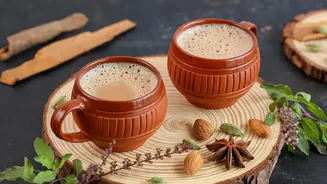
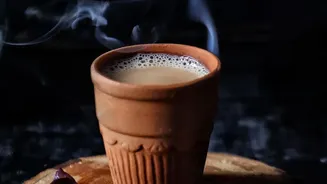
For generations, the day for millions of Indians has begun with a hot, sweet, milky cup of masala chai. It’s a comforting, energising start that feels deeply ingrained in the nation's cultural DNA. However, the global wellness movement has prompted a re-evaluation
of this morning staple. While traditional milk chai remains the most preferred format for many, a growing number of people are now paying closer attention to what's in their cup. Concerns over high sugar content and the sluggish feeling that can follow a strong, milky brew are leading some to seek lighter options. This doesn't always mean abandoning tea altogether, but rather modifying it. Many are reducing sugar, switching to natural sweeteners, or opting for a simple black tea to kickstart their day with less indulgence.
The Wellness Wave and Functional Sips
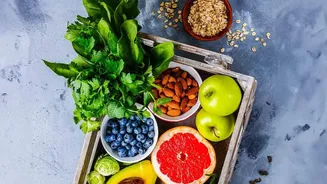
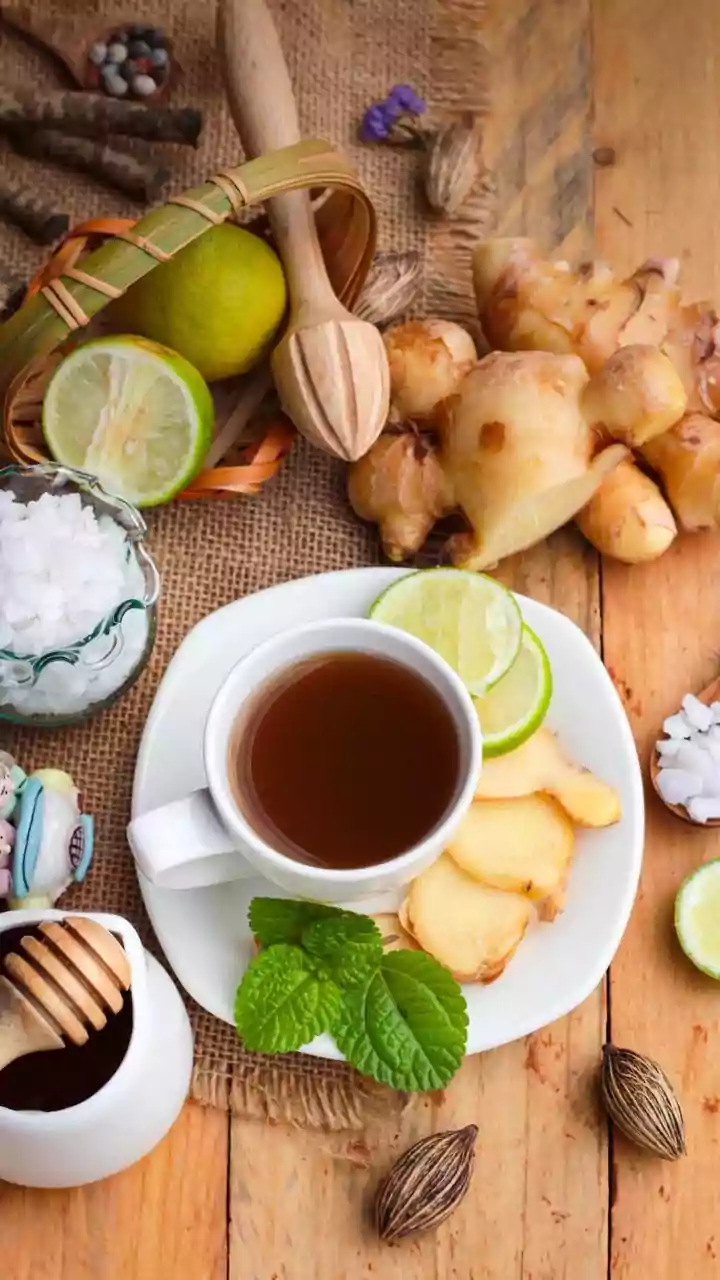
Health consciousness is a major driver behind this shift. Consumers are actively looking for beverages that do more than just refresh; they want drinks that offer functional benefits. This has fueled a massive surge in the popularity of green, herbal, and other specialty teas. Variants featuring traditional Ayurvedic ingredients like tulsi, ashwagandha, ginger, and cinnamon are in high demand, marketed as natural aids for everything from stress relief to boosting immunity and improving digestion. According to one report, stress-relief teas are the dominant category in this space. This turn towards 'functional beverages' reflects a broader trend of preventive wellness, where people incorporate small, healthy habits into their daily routines to support long-term well-being.
From Gulping Down to Mindful Brewing
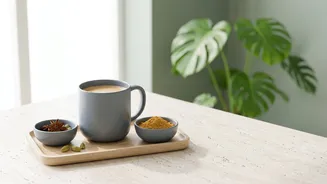
The change isn't just about what Indians are drinking, but also how they are drinking it. The hurried act of gulping down a quick cup is giving way to a more mindful and deliberate practice. Consumers, particularly in urban areas, are experimenting with slower brewing styles, using loose-leaf teas, and taking the time to appreciate the aroma and flavour of their beverage. This shift elevates tea from a simple drink to a therapeutic ritual—a moment of calm in a hectic day. Specialty tea cafes and workshops are gaining popularity, encouraging people to enjoy the experience rather than rushing through it. This growing appreciation for the craft of tea making is turning a daily habit into a form of self-care, much like journaling or meditation.
An Evolution, Not a Replacement
Despite the rise of alternatives, it would be a mistake to announce the death of traditional chai. While nearly 84% of Indians still consume tea daily, the market is simply becoming more diverse. The classic adrak chai remains the country's most popular variety. What's changing is the context. For many, the strong, sweet masala chai is becoming less of an all-day staple and more of a specific treat. Younger generations, in particular, are showing a willingness to experiment. Cold beverages like iced teas and even bubble tea are gaining significant traction, no longer seen as niche products but as mainstream choices, especially in cities. This indicates that the Indian beverage market is expanding to accommodate both tradition and new, global trends simultaneously.