





The Five-Litre Habit
The five-litre can or pouch is an iconic sight in many Indian kitchens. For generations, buying cooking oil in bulk has been seen as a smart, economical choice. It feels like you are stocking up and saving money. But this habit often disconnects the purchase
from actual day-to-day usage. Families might buy a large can of one type of oil—be it sunflower, groundnut, or mustard—and use it for everything from tempering dal to deep-frying snacks. This one-size-fits-all approach is driven by convenience, marketing, and the perceived value of bulk buying, but it overlooks the diverse cooking needs within the home and the specific properties of different oils. The result is often a mismatch between what is on the shelf and what is genuinely needed.
The Real Cost of Over-Buying
That large container of oil might seem economical, but it can have hidden costs for both your health and your wallet. Health experts consistently warn against excessive oil consumption, which is linked to rising rates of obesity, heart disease, and diabetes in India. The Indian Council of Medical Research (ICMR) suggests a daily intake of 20-30 grams of fat, translating to roughly 7-11 kilograms per year. However, average consumption is much higher, nearing 19-20 kg per person annually. Using the wrong oil for a specific cooking method, like a low-smoke point oil for deep-frying, can release harmful compounds. Financially, over-buying can lead to waste. Oil can go rancid over time, losing its flavour and nutritional value. If you buy a large quantity of a specialised oil for a specific dish and don't use it frequently, you risk it spoiling before you can finish it.
Conduct a Household Oil Audit
To break the cycle of mismatched buying, the first step is to understand your family’s actual consumption. This doesn’t need to be complicated. For one month, track your oil usage. A simple method is to measure out your primary cooking oil into a smaller, separate container for the week and see how quickly you go through it. Note down what you cook and how. Are you doing a lot of deep-frying, or is it mostly sautéing and tadkas? How many members are in the household? A family that eats out frequently will have very different needs from one that cooks three meals a day at home. The goal is to get a realistic picture of your monthly oil needs. One expert suggests a healthy limit is no more than 500 ml per person per month.
Build Your Kitchen's Oil Portfolio
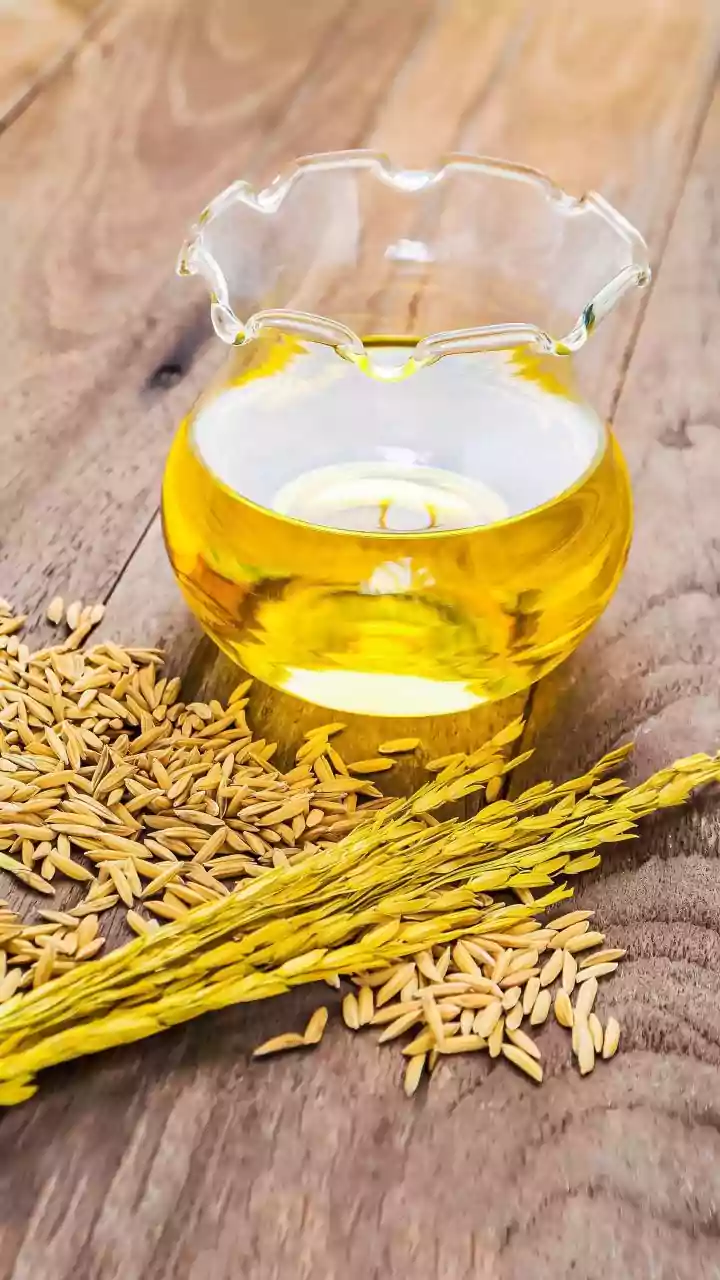
Indian cooking isn't monolithic, and your oil selection shouldn't be either. Different oils have different smoke points, flavours, and nutritional profiles that make them suitable for various tasks. Think of it as creating an 'oil portfolio'. Your main, everyday cooking oil for sabzis and curries might be groundnut or rice bran oil. For tadkas, the pungent flavour of mustard oil is popular in North and East India. For salads or drizzling, a cold-pressed oil might be best. Coconut oil is a staple in the South. By buying smaller packs of these specialized oils and a moderately sized pack of your primary workhorse oil, you ensure you always have the right tool for the job. This strategy, known as oil rotation, is also recommended by nutritionists for a balanced intake of different fatty acids.
Smart Shopping and Storage
Once you know your consumption pattern, you can shop smarter. Resist the temptation of a 'buy one, get one free' offer on a giant can if you know you won't use it all in time. Instead, look for pouches, which are often more affordable and come in various sizes, allowing for greater flexibility. When you bring the oil home, storage matters. Keep it in a cool, dark place away from the stove to prevent heat and light from degrading it. Avoid the common practice of reusing oil from deep-frying; reheating oil repeatedly can create toxic compounds harmful to your health. By making these small but significant changes, you can align your purchasing habits with your real needs, leading to a healthier kitchen and a healthier family.