







The European Dream Becomes a Logistical Nightmare
The allure of strolling through Parisian streets or seeing the Swiss Alps is fading under the weight of practical difficulties. Securing a Schengen visa has become a significant source of stress, with appointment delays stretching for weeks and higher-than-average
rejection rates for Indian applicants. In 2025, the non-issuance rate for Indians was 15.8%, with some countries like Slovenia and Bulgaria rejecting a staggering 46.1% and 37% of applications, respectively. Beyond the paperwork, the cost of a European trip has skyrocketed. A weakening rupee against the euro, coupled with inflation in Europe, means that flights, hotels, and daily expenses are significantly more expensive. Geopolitical tensions have also led to longer, rerouted flights, further driving up airfares by 20-30% on some long-haul routes. Travel industry data reflects this, showing a 10-15% decline in European bookings from India for the summer of 2026.
Asia Rolls Out the Red Carpet
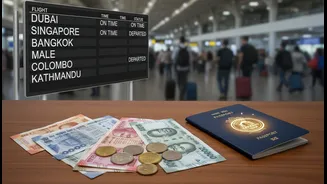
As Europe has become more difficult to access, several Asian nations have seized the opportunity by actively courting Indian tourists. Countries like Thailand, Malaysia, and Sri Lanka have rolled out visa-free entry policies, while others like Vietnam offer simple and quick e-visa processes. This starkly contrasts with the bureaucratic maze of a Schengen application, making spontaneous or short-notice trips a real possibility. The difference is not just in policy but in attitude. Asian tourism boards are specifically targeting the Indian market, launching promotional campaigns, and encouraging airlines to increase direct flight connectivity. This has resulted in a massive surge in interest; travel to Asia from India saw a 25-35% year-on-year increase in bookings for the May-June 2026 period.
Value, Variety, and Shorter Flights
The shift is not just about easier entry; it is also about getting more value for money. A week-long holiday in Vietnam or Thailand can often cost less than a premium domestic vacation in India, let alone a trip to Europe. Travellers are finding that their budget stretches much further in Asia, allowing for high-quality accommodation, diverse culinary experiences, and plenty of shopping without the currency shock. Furthermore, the geographical proximity is a huge advantage. Shorter flight times of 4-6 hours to destinations in Southeast Asia are far more appealing for families and those looking for a quick getaway compared to the 9+ hours to Europe. Asian destinations offer an incredible diversity of experiences, from the futuristic skylines of Kuala Lumpur and the spiritual tranquility of Bali to the historic cities of Vietnam and the pristine beaches of Thailand.
A Lasting Shift in Travel Preferences
This trend appears to be more than a temporary reaction to logistical hurdles; it signals a fundamental change in how Indians approach international travel. While Europe will likely remain an aspirational destination, the convenience, affordability, and cultural resonance of Asian countries are creating a new and powerful travel corridor. Destinations like Thailand, which welcomed over 1.2 million Indian tourists by early July 2026, and Vietnam, which saw Indian arrivals jump by nearly 60% in early 2026, are becoming firm favourites. This pivot is forcing a realignment in the global tourism industry, as airlines add more routes to Southeast Asia and local businesses adapt to cater to the tastes of Indian visitors, from food preferences to large-scale destination weddings. The ease of repeat visits to nearby Asian countries is also helping build lasting familiarity and loyalty among a new generation of Indian globetrotters.