






The Great Monsoon Deception
Exercising during the Indian monsoon feels different. The air is heavy and damp, and while you’re still working hard, you might not feel as drenched in sweat as you would on a dry, hot day in May. This is where the danger lies. High humidity prevents
your sweat from evaporating efficiently. Normally, sweat cools your body as it turns to vapour, but when the air is already saturated with moisture, the sweat just sits on your skin. Your body's primary cooling mechanism is broken. In response, it tries to compensate by producing even more sweat, leading to significant fluid loss without the usual cooling relief. This process can trick you into thinking you're not losing much water, creating a perfect storm for dehydration.
Why Humidity Is Trickier Than Heat
While extreme heat is an obvious hydration threat, humidity is more subtle. In dry heat, thirst is a reliable indicator, prompting you to drink as you feel sweat evaporating. In humid conditions, however, that thirst signal can be suppressed or delayed. You might not feel thirsty even when your body is losing critical fluids. This disconnect between your actual hydration level and your perceived thirst is the core of the hidden challenge. Your body is working overtime not just to perform the exercise, but also to try and regulate its core temperature against an inefficient cooling system. This extra strain increases heart rate and can lead to a faster onset of fatigue and other heat-related issues, even at moderate temperatures.
Beyond Thirst: Subtle Signs of Dehydration
Since waiting until you're thirsty is not a reliable strategy during the monsoon, it's crucial to recognise the other signs that your fluid levels are low. Many of these symptoms can be easily mistaken for simply feeling uncomfortable in the muggy weather. Early warning signs include increased fatigue, rising irritation levels, difficulty concentrating, and headaches. Physical indicators to watch for are dizziness, muscle weakness or cramps, and a noticeable drop in your energy and performance. One of the most reliable checks is your urine colour; if it's dark yellow, like apple juice, you are likely dehydrated. Ideally, it should be a pale straw colour.
Your Monsoon Hydration Blueprint
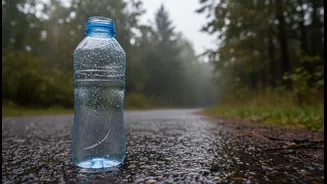
To stay ahead of dehydration, you need a proactive plan—don't wait for the warning signs. Start hydrating well before your workout, drinking water 2-3 hours prior to exercise. During your session, make it a habit to sip water consistently every 15-20 minutes, rather than gulping a large amount at once. A good rule of thumb for workouts over an hour is to consume around 200-300 ml every 20 minutes. Since thirst isn't a good guide, consider setting reminders on your phone or watch. After your workout, continue to rehydrate steadily over the next couple of hours to fully replace what you've lost.
Why Water Alone Isn't Always Enough
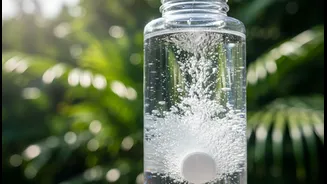
When you sweat heavily in humid conditions, you lose not just water but also essential minerals called electrolytes, particularly sodium and potassium. These are vital for maintaining fluid balance, nerve function, and preventing muscle cramps. Relying only on plain water for rehydration during long or intense sessions can dilute the electrolytes remaining in your body, which can be counterproductive. For workouts lasting longer than an hour, consider incorporating an electrolyte drink or natural alternatives. Traditional Indian options like coconut water (rich in potassium), nimbu paani with a pinch of salt, or buttermilk (chaas) are excellent choices for replenishing lost minerals.