


Understanding the 'Concrete Heat' Effect
The term 'concrete heat' describes the microclimate created by urban hardscaping. Materials like concrete, brick, and asphalt are brilliant at absorbing and retaining solar energy. During the day, they soak up the sun's rays, and long after sunset, they continue
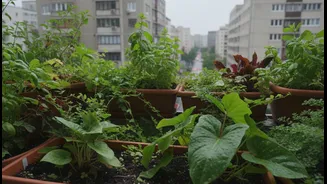
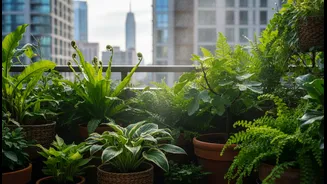
to radiate that heat back into the environment. This phenomenon is a small-scale version of the 'urban heat island' effect, where cities are noticeably warmer than surrounding rural areas. For a gardener, this means the ambient temperature on your balcony or patio can be several degrees hotter than the reported weather, creating a harsh environment where soil dries out rapidly and plant roots can literally get cooked.
Choose Your Pots Wisely
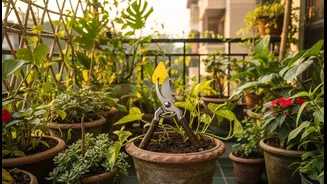
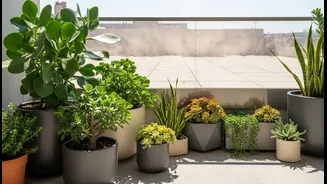
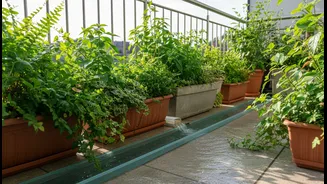
The container you choose is your first line of defence. Dark-coloured plastic pots are among the worst offenders, as they absorb maximum heat. Instead, opt for lighter-coloured pots which reflect sunlight. Materials also matter. Porous containers like terracotta and unglazed ceramic allow for evaporation through their walls, which has a natural cooling effect on the soil. However, they also dry out faster. Fiberglass and high-quality plastic planters are better at retaining moisture, which is a significant advantage in blistering heat. Whatever you choose, ensure it has ample drainage holes. Elevating your pots even an inch off the concrete using 'pot feet' or bricks allows for air circulation underneath, preventing the direct transfer of heat from the scorching surface to the container.
Pick the Right Plant Champions
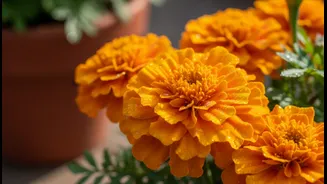
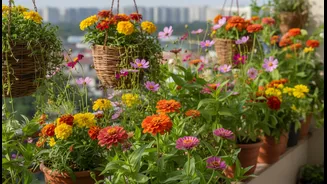
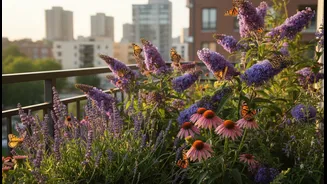
Trying to grow moisture-loving, cool-season plants in a hot, concrete environment is a recipe for disappointment. The secret to success is choosing plants that are naturally adapted to thrive in heat and drought. Think of plants native to Mediterranean or arid climates. In India, this means embracing hardy heroes that can withstand temperatures soaring above 40°C. Succulents like Aloe Vera, Kalanchoe, and various Sedums are excellent choices as they store water in their leaves. For vibrant colour, Portulaca (also known as Sun Rose or 9 o'Clock) is almost indestructible, bursting with flowers in direct sun. Bougainvillea is a classic choice for its spectacular, heat-loving blooms. For fragrant foliage, consider herbs like rosemary and curry leaf, which are tough and resilient.
Smarter Watering and Soil Strategies
In a 'concrete heat' garden, how and when you water is critical. Avoid shallow, daily watering, which encourages weak, surface-level roots. Instead, water deeply and thoroughly, allowing the soil to dry out slightly between sessions. Water in the early morning or late evening to minimise evaporation and prevent shocking the hot pots with cold water, which can cause stress fractures in some materials. Using a good quality potting mix, rather than heavy garden soil, is essential for containers as it provides better drainage and aeration. Adding a layer of mulch—like wood chips or even decorative gravel—on top of the soil is another game-changer. Mulch acts as a protective barrier, insulating the soil, retaining moisture, and keeping roots cool.
Embrace the Resilient Aesthetic
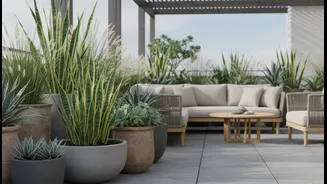
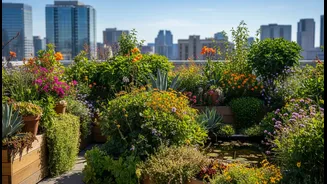
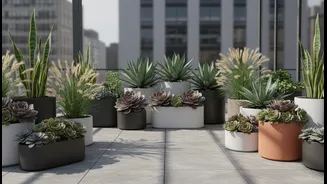
Gardening against concrete heat isn't about recreating a lush, green lawn; it's about cultivating a unique, resilient style. This look is now trending in gardening feeds, celebrating toughness and beauty in harsh conditions. It's an aesthetic defined by terracotta pots, gravel top-dressing, and architectural plants like Agave and Snake Plant. Grouping pots together can create a mini-oasis where plants shelter each other, raising local humidity through collective transpiration. You can also use taller, tougher plants like ornamental grasses to provide a bit of afternoon shade for more delicate neighbours. This approach moves beyond merely surviving the heat to creating a stylish, thriving garden that works with its environment, not against it.