




The New Golden Age of Rail
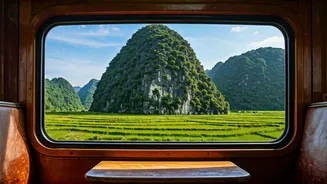
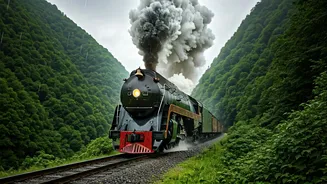
The phrase ‘Rain Era’ has come to signify a moody, atmospheric, and deeply felt moment. For travel, it marks a pivot away from frantic, checklist-driven tourism towards something more immersive. Scenic rail travel is the perfect embodiment of this trend.
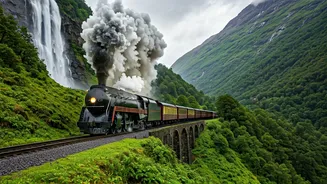
It’s a conscious choice to slow down, to make the journey itself the destination. Driven by a desire for more meaningful experiences, travellers are rejecting the sterile efficiency of air travel for the nostalgic charm and up-close views that only trains can provide. This isn’t just about transportation; it’s about embracing a mindset that values depth over speed and connection over convenience. The slow, rhythmic clatter of wheels on track has become the new soundtrack for a generation seeking an antidote to burnout and a more authentic way to see the country.
India's Monsoon Spectacle by Rail
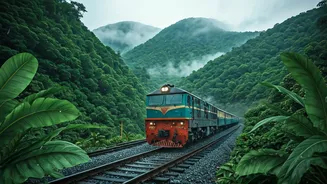
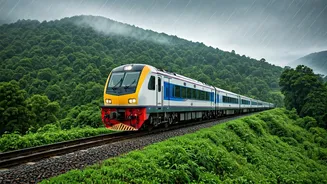
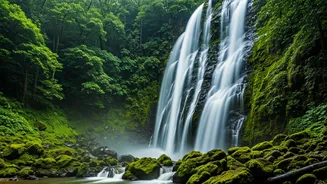
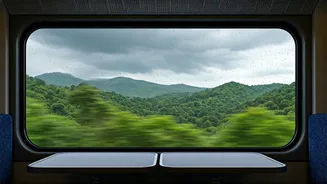
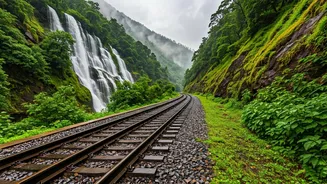
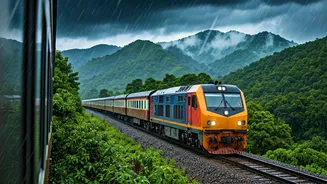
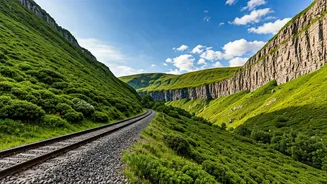
Nowhere does this 'Rain Era' feel more fitting than in India during the monsoon. As the rains arrive, the landscape transforms into a breathtaking spectacle of vibrant greens, cascading waterfalls, and mist-shrouded mountains. It’s a drama best viewed from a train window. Iconic routes like the Konkan Railway between Mumbai and Goa become moving theatres of nature. Passengers are treated to views of the Western Ghats at their most lush and dramatic, with waterfalls appearing beside the tracks and rivers flowing at full force. Other journeys, like the climb through the Nilgiri Mountains to Ooty or the historic toy train to Shimla, offer a fairytale-like escape into pine forests and cloud-filled valleys, turning a simple trip into a magical experience.
A Room with a View, on Rails
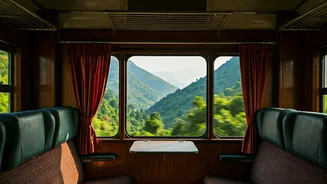
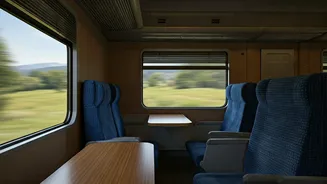
A key catalyst for this railway renaissance is the introduction and immense popularity of Vistadome coaches by Indian Railways. These specially designed carriages are a game-changer for scenic travel, featuring panoramic windows, glass roofs, and rotating seats that offer an uninterrupted, 360-degree view of the surroundings. Suddenly, the journey is no longer about staring at the back of the seat in front of you, but about being fully immersed in the passing landscape. The feeling of watching the monsoon pour over the glass ceiling while winding through the verdant ghats is an experience in itself. The high demand and near-total occupancy on routes offering these coaches, such as the Mumbai-Pune and Mumbai-Goa lines, are a clear testament to their success and a signal that travellers are willing to prioritise experience.
Beyond the Window Pane
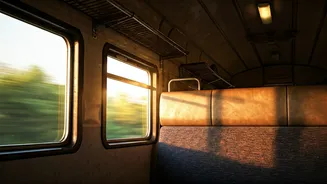
The appeal of this trend runs deeper than just pretty views. Train travel fosters a different kind of connection—to the landscape, to fellow passengers, and to oneself. It offers a welcome respite from the digital saturation of daily life, providing a space to read, reflect, or simply watch the world go by without the pressure of constant connectivity. Unlike the isolation of a car journey or the anonymity of a flight, a train compartment is a microcosm of society, a place for conversations with strangers and shared experiences. This return to a more human-paced, communal form of travel aligns with the broader 'slow living' movement, where the quality of an experience is valued far more than its speed or efficiency.
An Old Love, Rekindled
The romance between India and its trains is timeless, immortalised in countless films and stories. This current trend is less a new phenomenon and more a rekindling of an old love, updated for a new generation. It taps into a deep cultural nostalgia for the golden age of rail travel, combining it with modern comforts and a contemporary desire for authenticity. The decision to choose a train, particularly for a scenic journey, is a deliberate act—a statement against the hurried pace of modern life. It's an embrace of the journey, with all its unfolding sights, sounds, and serendipitous moments. It confirms that sometimes, the most luxurious thing you can have is time.