





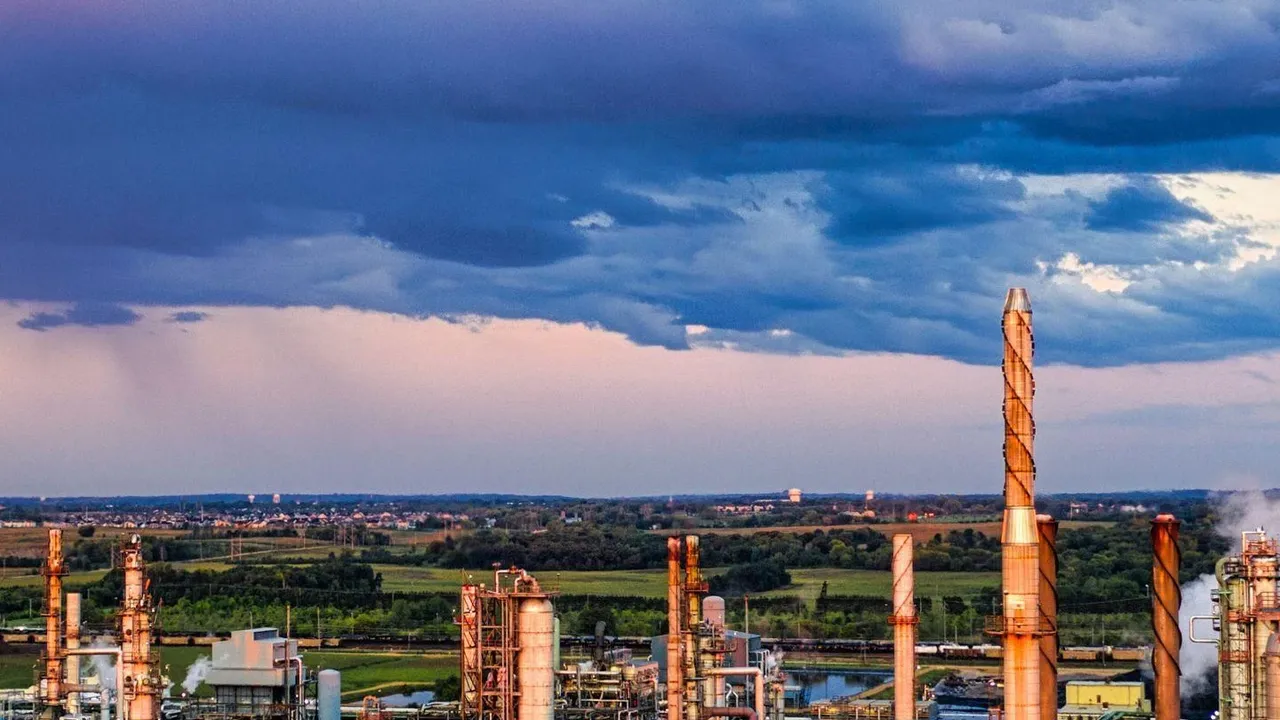
The Global Oil Production Dial
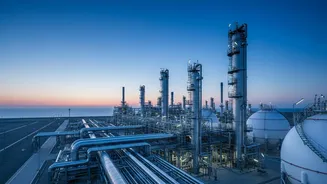
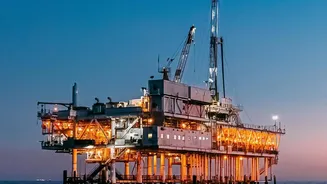
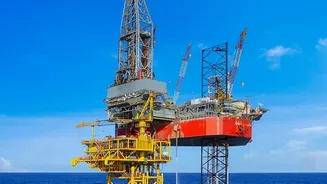
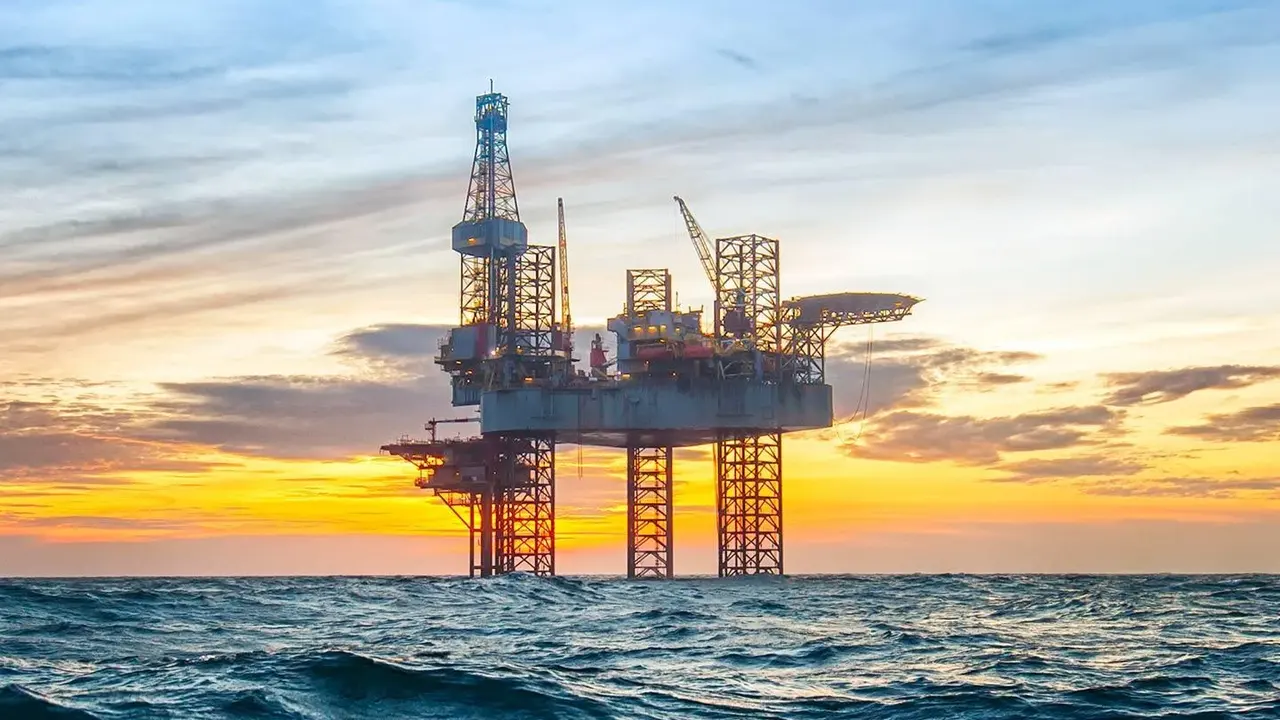
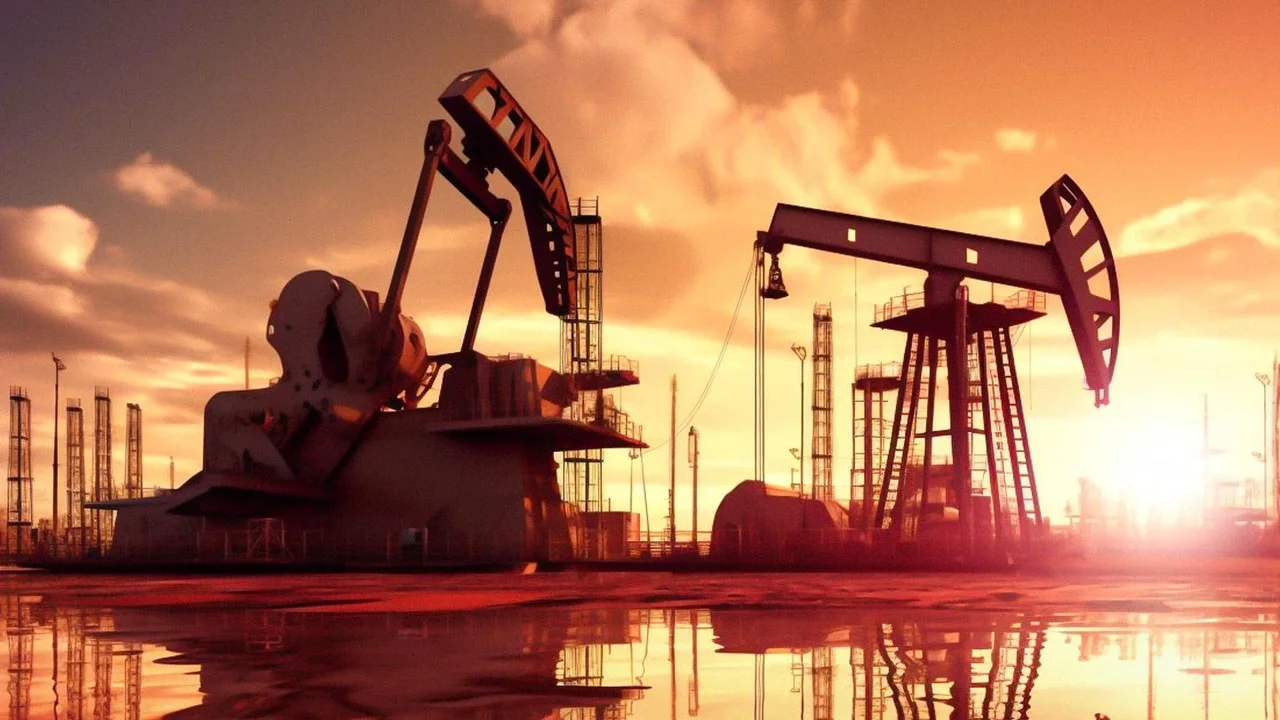
In early August, a group of seven OPEC+ countries, including heavyweights Saudi Arabia and Russia, agreed to increase their oil production by 188,000 barrels per day starting in September 2026. This decision completes the process of rolling back voluntary
production cuts that were first introduced in 2023 to stabilize the market. While this modest supply increase might suggest a slight easing of global prices, it's only one part of a much larger equation. The group will meet again on September 6 to review market conditions, but other major production cuts from 2022 remain in place and are expected to last through the end of 2026. Geopolitical tensions and attacks on energy infrastructure also continue to threaten supply, making the global price of crude oil highly volatile.
From Foreign Shores to Indian Refineries
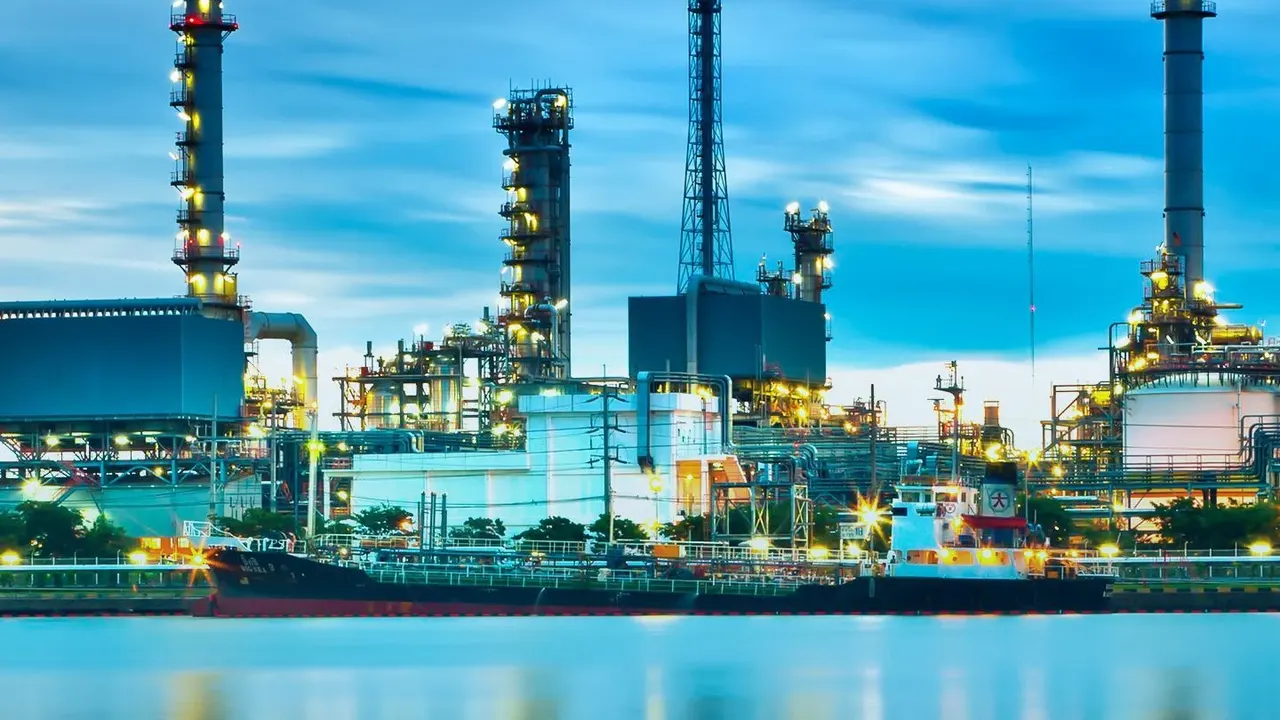
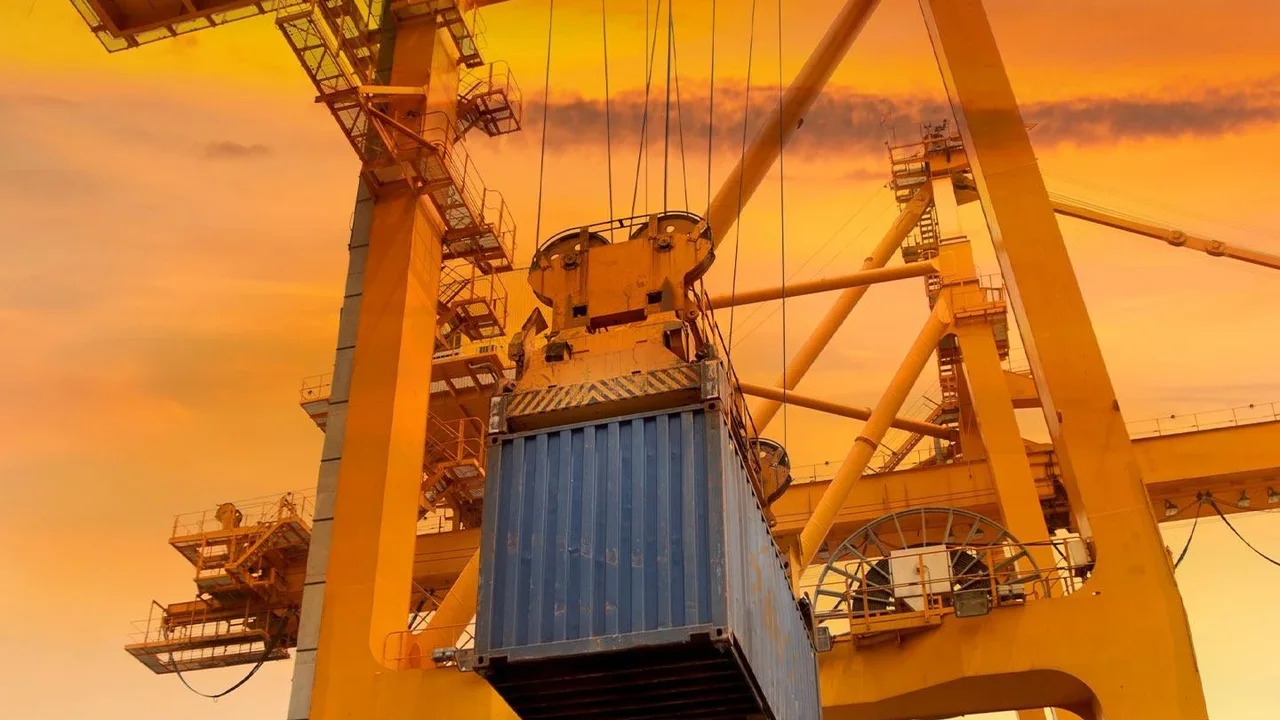
India is one of the world's largest importers of crude oil, meaning these global price shifts have a direct impact on the country's import bill. When the price of crude changes, it alters the base cost for Indian refining companies like Indian Oil, HPCL, and BPCL. These companies source crude from various international markets, and the journey from a foreign port to an Indian refinery involves significant costs, including freight and insurance, which can themselves fluctuate based on geopolitical risks like conflicts in the Middle East. Indian refiners must constantly adapt their operations to process different types of crude oil, especially when traditional supply chains are disrupted, adding another layer of complexity to their cost structure.
The Refinery's Balancing Act
Once crude oil reaches an Indian refinery, it is processed into finished products like petrol, diesel, and aviation turbine fuel. The profitability of this process, known as the refining margin, is a critical factor. However, Indian oil marketing companies (OMCs) don't price fuel based on their actual costs. Instead, they use a formula called the Trade Parity Price (TPP), which assumes 80% of fuel is imported and 20% is exported. This means domestic fuel prices are linked to international product prices, not just the raw crude price. Furthermore, government policies can squeeze refiners. To protect consumers from price shocks, the government sometimes keeps retail prices stable even when crude costs rise, forcing refiners and retailers to absorb losses. Additionally, the government can impose windfall taxes on fuel exports, which limits the ability of refiners to profit from high global demand.
The Final Price You Pay at the Pump
The price you see at your local petrol station is the result of a multi-layered calculation. Since pricing was deregulated, OMCs revise prices daily based on a 15-day rolling average of international rates. The base price set by the OMCs is only the starting point. Added to this are Central and state taxes, which are the largest component of the final retail price. The Central government levies a fixed excise duty, while each state adds its own Value Added Tax (VAT), which varies significantly across the country. This is why fuel prices can be vastly different from one state to another. Finally, a commission for the fuel dealer is also factored in. Combined, these taxes and duties can constitute more than half of the retail price of petrol and diesel, insulating consumers somewhat from crude price drops but also amplifying the impact when taxes are high.
The Ripple Effect on India's Economy
The price of fuel has far-reaching consequences for the Indian economy. Higher fuel costs increase transportation expenses for everything from food to consumer goods, which can lead to broader inflation. This affects household budgets and business operating costs. For the government, fuel taxes are a major source of revenue, but high prices can become a political liability. Recent trends show that while demand for petrol and diesel has been growing, high prices could slow this momentum. For instance, data from July 2026 showed strong year-on-year growth in petrol and diesel consumption, partly driven by agricultural activity. However, sustained high prices could curb discretionary travel and impact overall economic activity.