


Beyond the Chai and Pakora
For years, the monsoon was seen as a travel spoiler. It was a time to stay home, watch the rain from a balcony with a hot cup of chai, and maybe venture out for a quick drive to the nearest viewpoint. Trips were often cancelled, not planned. The only
draw was the promise of a cheaper hotel room and fewer crowds. But that perception is undergoing a dramatic transformation. Today’s traveller isn't just looking for a destination; they're looking for a purpose. The monsoon, with its lush landscapes and dramatic skies, is no longer a bug but a feature, providing the perfect backdrop for a new kind of vacation: the experiential journey.
What 'Experience-First' Really Means
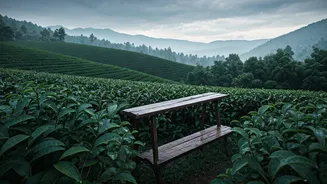
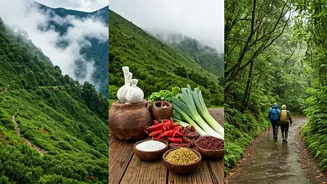
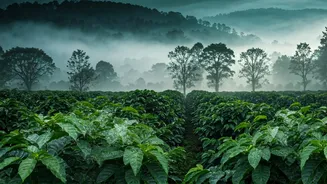
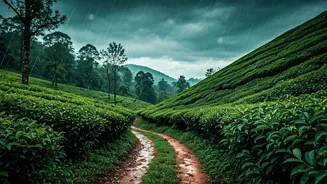
So, what does an 'experience-first' monsoon trip look like? It’s the difference between seeing a tea garden and taking a workshop on tea-plucking and tasting with a local expert. It’s not just eating at a famous Goan restaurant but signing up for a culinary class to learn the secrets of a vindaloo. This trend prioritises active participation over passive observation. It's about engaging with a place on a deeper level. Think wellness retreats in Kerala that combine Ayurveda with monsoon-specific therapies, agri-tourism stays in the hills of Maharashtra where you can work on an organic farm, or guided biodiversity walks through the rejuvenated forests of the Western Ghats. It’s about collecting memories and skills, not just souvenirs.
The Drivers of a Deeper Journey
Several factors are fuelling this shift. The post-pandemic world has left many with a craving for authenticity and meaningful connection—both with nature and with other people. The endless scroll of social media, once a driver of 'Instagrammable' but shallow photo-ops, is also evolving. Travellers are now seeking unique, story-driven content that goes beyond a pretty picture, showcasing instead a unique skill they learned or a cultural insight they gained. Furthermore, there's a growing consciousness about sustainable and responsible travel. By engaging in community-based tourism—staying at homestays, hiring local guides, and participating in local economies—travellers feel they are contributing positively to the places they visit. This desire for slower, more intentional travel finds its perfect expression in the contemplative pace of the monsoon season.
Monsoon Experience Hotspots
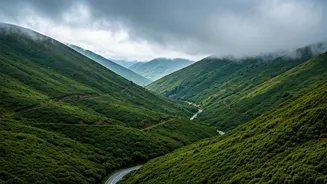
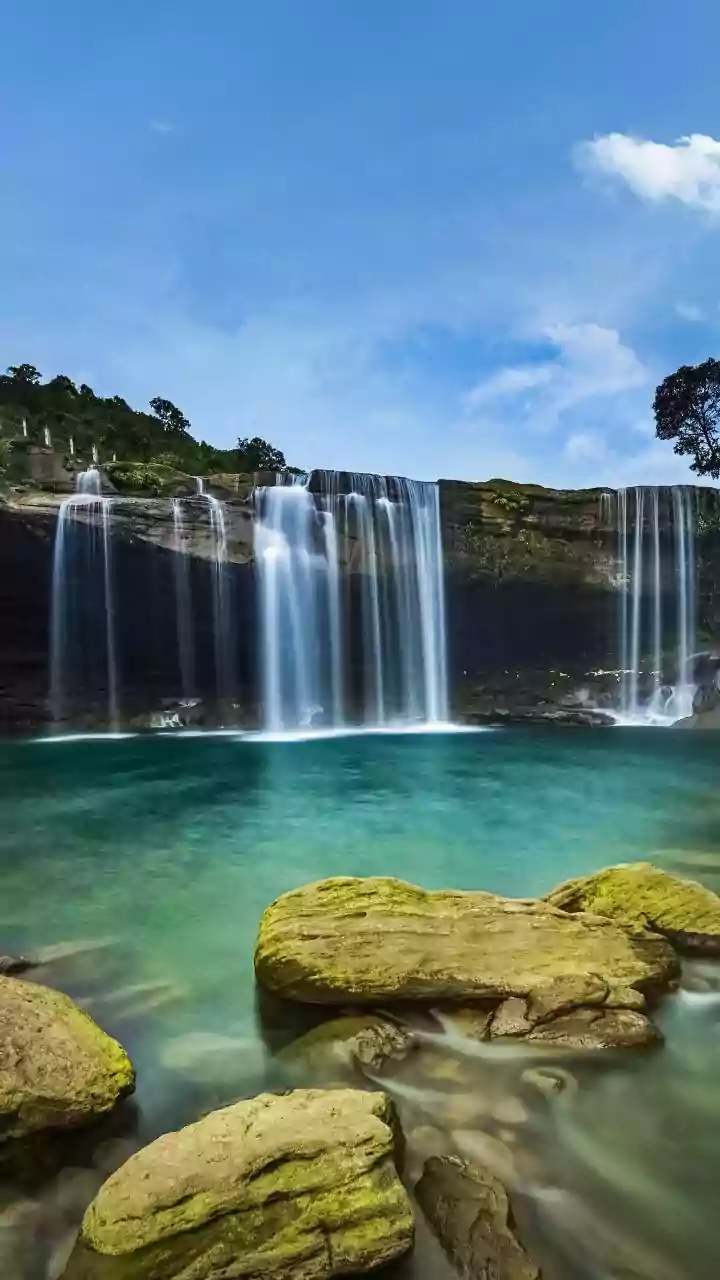
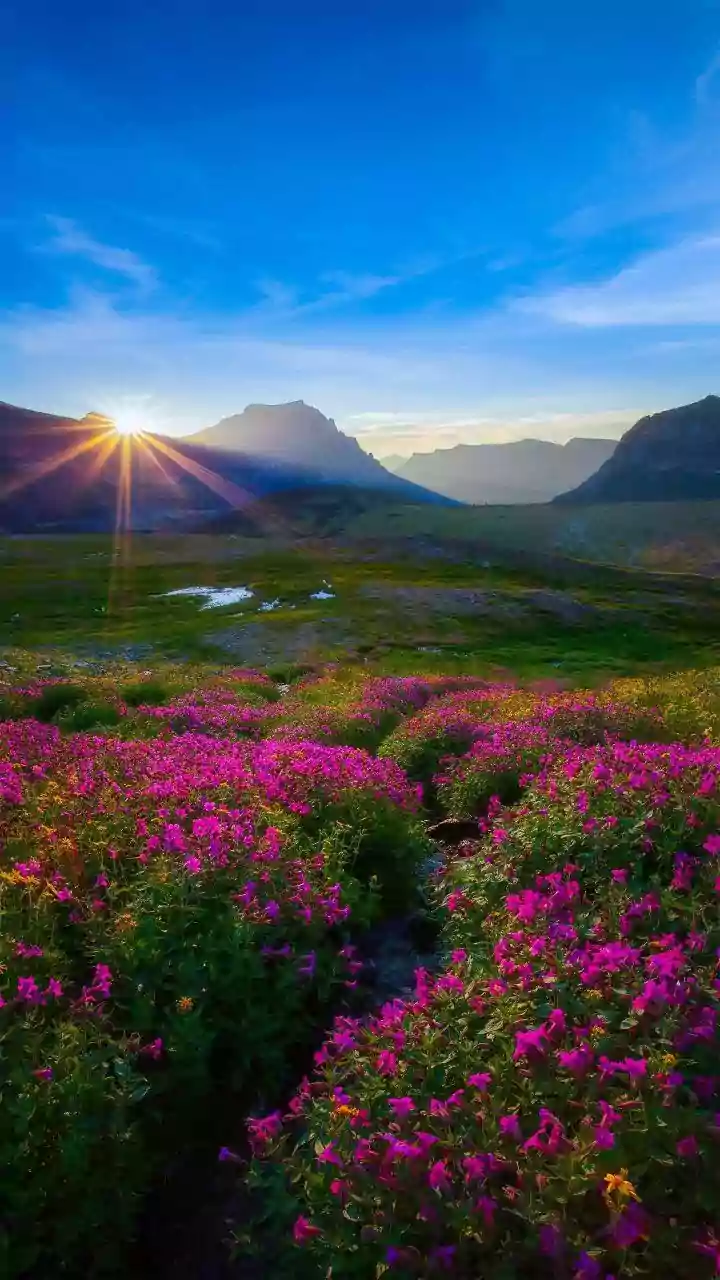
While you can find experiences anywhere, certain regions truly shine during the rains. The Western Ghats, stretching from Gujarat to Kerala, become a paradise for nature lovers. Think trekking to roaring waterfalls in Coorg, exploring the vibrant flora of the Amboli Ghat, or simply 'forest bathing' in the quiet woods. In Goa, the party crowd thins out, making way for a tranquil atmosphere perfect for yoga retreats and pottery workshops. Rajasthan, often dismissed as a winter destination, offers a unique charm as its arid landscapes turn green and its lakes fill up, providing a stunning backdrop for cultural tours in cities like Udaipur and Bundi. Up north, the valley of flowers in Uttarakhand opens up for a spectacular, rain-fed floral bloom, a trekker’s dream.
A New Chapter for Travel
The travel industry has been quick to adapt. Boutique hotels and homestays are curating bespoke itineraries focused on local culture and nature. Tour operators are moving away from standardised packages and offering flexible, activity-based trips. Local guides, artisans, chefs, and naturalists are becoming the new stars of the travel world. This shift doesn’t just benefit the traveller; it creates a more resilient and distributed tourism economy, empowering local communities and encouraging the preservation of both natural landscapes and cultural traditions. It represents a maturation of the Indian traveller, one who understands that the true value of a journey lies not in the places you tick off a list, but in the experiences that change you.