


The Hidden Risks in a Wet World
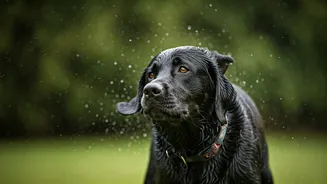
While a romp in a wet park seems like harmless fun, the monsoon season creates a perfect breeding ground for health issues. Puddles and damp soil can harbour harmful bacteria, including the kind that causes leptospirosis, a serious illness that can affect
both pets and humans. The constant dampness also makes your pet’s skin and paws vulnerable to fungal and bacterial infections. Conditions like dermatitis, hotspots, and ear infections are far more common during these wet months. Furthermore, ticks and fleas thrive in humid environments, increasing the risk of tick fever and other parasite-borne diseases. A simple walk can expose your pet to a host of invisible threats, making a post-walk cleanup more than just a matter of cleanliness—it's a critical health measure.
Gear Up: The Pre-Walk Checklist
Preparation is your first line of defence. Before you even step out the door, consider investing in some monsoon-specific gear. A good-quality waterproof raincoat can keep the majority of your pet’s body dry, significantly cutting down on cleanup time and reducing the risk of them catching a chill. Paw booties are another excellent tool. While some dogs take time to get used to them, they protect paws from muddy water, sharp objects hidden in puddles, and direct contact with contaminated surfaces. If booties aren't an option, trimming the hair between your dog’s paw pads can prevent mud and water from getting trapped. Also, ensure your pet's vaccinations, especially for leptospirosis, are up to date before the season begins.
The Post-Walk Ritual: A Step-by-Step Guide
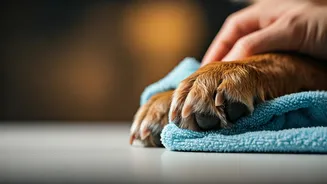
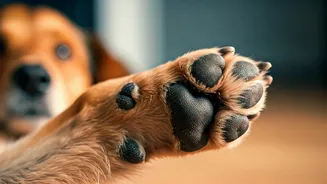
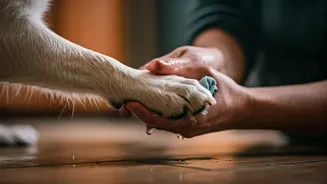
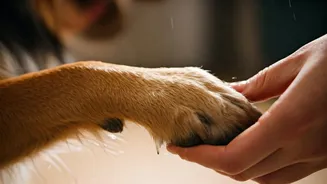
This is the most crucial part of your routine. As soon as you return home, your work begins. 1. **Paw Cleaning:** Start with the paws. Use a bowl of lukewarm water and a gentle, pet-safe antiseptic solution to wash each paw thoroughly. Pay close attention to the area between the pads, where mud and microbes love to hide. A soft brush or cloth can help dislodge stubborn dirt. 2. **Body Wipe-Down:** Even with a raincoat, your pet’s underbelly, legs, and tail are likely to be wet and dirty. Use a highly absorbent towel or pet-specific wipes to clean these areas. For a deeper clean on very muddy days, a quick rinse in the bathroom with lukewarm water might be necessary, but avoid full-body shampoos after every walk, as this can strip their skin of natural oils. 3. **Ear Check:** The damp, floppy ears of many breeds are prone to infection. Gently wipe the inside of the ear flap with a dry cotton ball or a vet-approved ear cleaning solution to remove any moisture that might have gotten in.
Drying is Not Optional
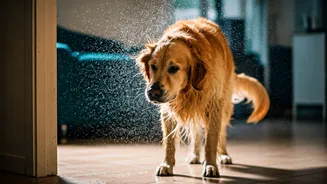
Simply wiping your pet down isn't enough; they must be dried completely. Lingering dampness in their coat, especially for dogs with thick fur, creates the perfect warm, moist environment for fungal growth and hotspots (acute moist dermatitis). Use a dry, absorbent towel to vigorously rub them down. For long-haired breeds, a hairdryer on a low-heat, low-speed setting can be a lifesaver. Ensure their paws, armpits, and groin area are completely dry, as these areas are particularly susceptible to infections. A damp dog sitting on your furniture also contributes to a musty smell and potential fungal growth in your home.
Watch for Warning Signs
Despite your best efforts, problems can still arise. Stay vigilant and watch for any signs of trouble. These include constant licking or chewing of paws, redness or inflammation of the skin, a foul odour from the ears or skin, scabs, or hair loss. If you notice your pet is unusually lethargic, has a fever, or is vomiting after a walk, it could be a sign of a more serious infection like leptospirosis. Don't wait for these symptoms to worsen. At the first sign of discomfort or illness, consult your veterinarian immediately. Early intervention is key to a swift and successful recovery.