




The New Corner Office
Imagine swapping a cramped cubicle for a window seat with a direct view of the Kanchenjunga. The monotonous hum of the air conditioner is replaced by the crisp mountain air and the distant whistle of the Darjeeling Himalayan Railway. This isn't a vacation
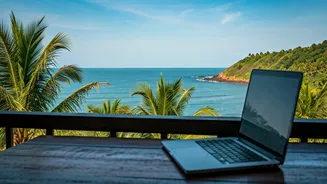
fantasy; it's the new reality for a wave of digital nomads and hybrid workers who are packing their laptops and setting up shop in the serene hill station of Darjeeling. The pandemic-induced shift to remote work has permanently altered the professional landscape. What began as a necessity has evolved into a lifestyle choice, allowing employees to question not just how they work, but where they work from. For many, the answer lies far from the bustling metros of Mumbai, Delhi, or Bengaluru.
Why Darjeeling?
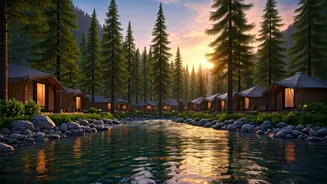
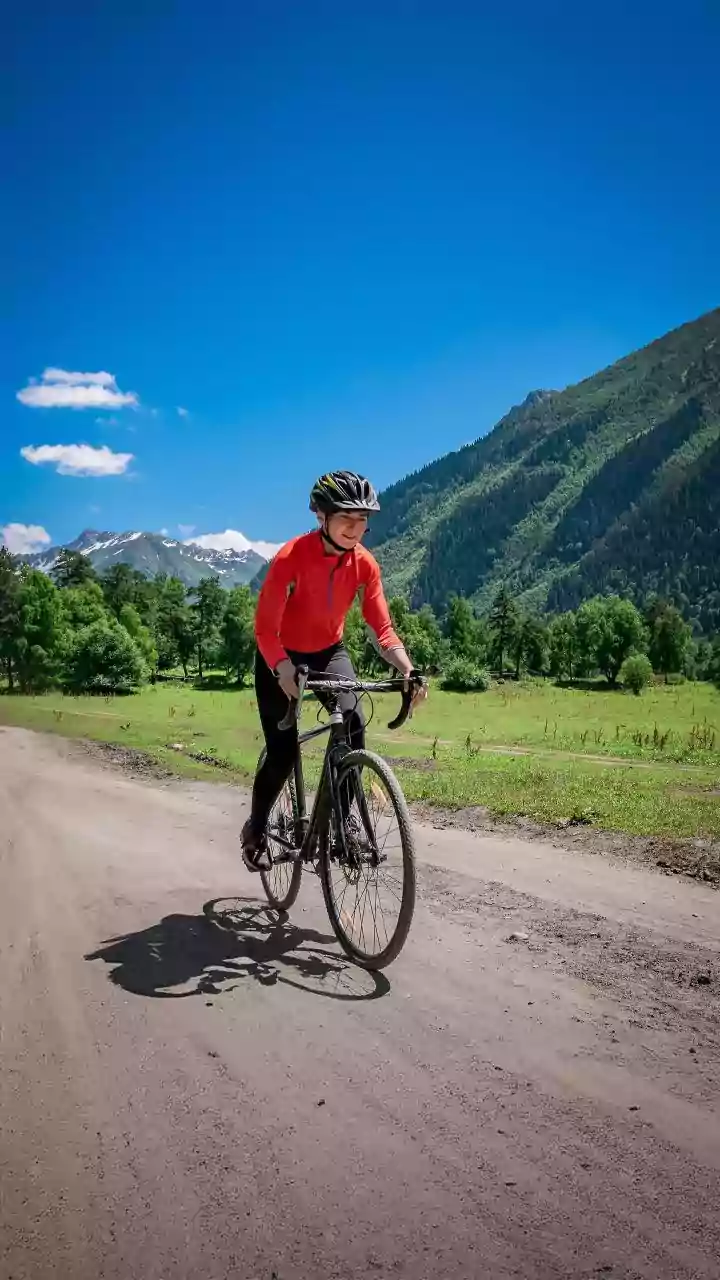
While Goa and Himachal have long been favourites for 'workations,' Darjeeling offers a unique blend of colonial charm, Tibetan culture, and unparalleled natural beauty. The appeal goes beyond just a good view. Professionals are drawn to the slower pace of life, the opportunity to go on scenic treks after logging off, and the simple joy of sipping world-famous tea straight from the source. The town’s rich history, visible in its Gothic churches and colonial-era buildings, provides a stimulating backdrop that feels a world away from the glass-and-steel monotony of corporate parks. It’s a location that promises not just a place to work, but a space to breathe, think, and recharge.
The Rise of the Work-Friendly Homestay
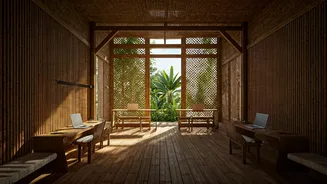
This migration is transforming the local hospitality industry. Savvy local entrepreneurs are moving beyond the traditional tourist model. Homestays and boutique guesthouses are revamping their offerings to cater to these long-stay professionals. A stable, high-speed Wi-Fi connection is now as essential a selling point as a mountain view. Many stays now offer dedicated workstations, power backup systems to combat occasional outages, and communal spaces that foster a sense of community among fellow remote workers. Some even offer monthly packages that include meals, laundry, and other amenities, creating a seamless plug-and-play living experience for those looking to escape the logistics of setting up a new home.
The Practical Realities
Of course, life in the mountains isn't without its challenges. The romance of a Himalayan work desk can be quickly dampened by an unstable internet connection during a critical client call. While connectivity has improved dramatically, it can still be less reliable than in major cities. The monsoon season can bring landslides and road blockages, and the quiet life can sometimes feel isolating for those accustomed to the social buzz of a big city. Yet, for most who make the move, these are acceptable trade-offs. They learn to work around the infrastructure’s quirks, building redundancy into their tech setup with mobile data dongles and power banks, and finding a new rhythm of life that is more in sync with nature than with the clock.
A Symbiotic Relationship
The influx of digital nomads is providing a much-needed economic boost to the region, particularly during the off-season when traditional tourism wanes. These long-stay visitors spend consistently at local cafes, shops, and restaurants, becoming temporary residents who integrate into the local fabric. This creates a more sustainable, year-round tourism model that is less susceptible to the boom-and-bust cycles of seasonal travel. In return, the town offers these urban transplants a higher quality of life, cleaner air, and a profound sense of peace that no corner office in a skyscraper could ever match.