


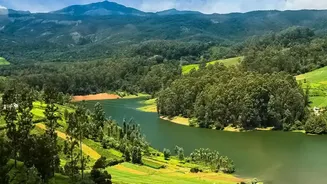
India is blessed with an abundance of natural beauty, and its lakes are among its most captivating treasures. These serene water bodies, set against stunning backdrops, offer a perfect escape. Here are seven incredible lakes you should consider visiting.
Pangong Tso, Ladakh
Famous for its appearance in the film '3 Idiots', Pangong Tso is a high-altitude saltwater lake situated at about 4,350 metres. Stretching from India to China, this endorheic lake is known for its remarkable ability to change colours, shifting from azure blue to green and sometimes even grey throughout the day. The journey from Leh to Pangong, via the challenging Chang La Pass, is an adventure in itself, typically taking 5-6 hours. Visitors need an Inner Line Permit (ILP) due to its proximity to the border. The best time to visit is from May to September when the weather is most favourable. Despite its saline water, the lake freezes completely in winter, creating a surreal icy landscape.
Dal Lake, Jammu and Kashmir
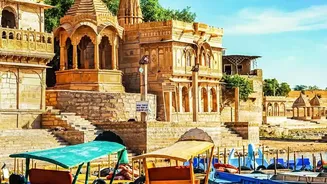
Often called the 'Jewel in the crown of Kashmir', Dal Lake is the heart and soul of Srinagar. It’s not just a lake but a way of life, famous for its vibrant houseboats, or 'shikaras', and floating markets. A shikara ride at sunset is a quintessential Kashmiri experience, offering views of the surrounding Pir Panjal mountains and the historic Mughal gardens that line its shores. The lake spans approximately 18 square kilometres and is a hub of activity, from water sports in the summer to serene, misty mornings in the winter. The ideal time to visit is from April to October, though it offers a unique, frozen charm from December to February.
Pichola Lake, Udaipur
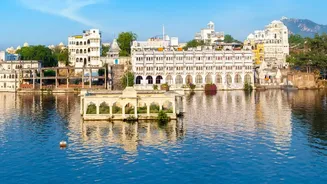
An artificial freshwater lake created in the 14th century, Lake Pichola is the centrepiece of Udaipur, the 'City of Lakes'. It is home to four islands: Jag Niwas, where the famous Lake Palace hotel is located; Jag Mandir, another island palace; Mohan Mandir; and Arsi Vilas. A boat ride, especially at sunset, provides a magical view of the City Palace complex and the surrounding Aravalli hills. These boat tours typically start from Rameshwar Ghat within the City Palace and often include a stop at Jagmandir Island. There's no fee to see the lake itself, but boat rides have set ticket prices that vary for daytime and sunset excursions.
Gurudongmar Lake, Sikkim
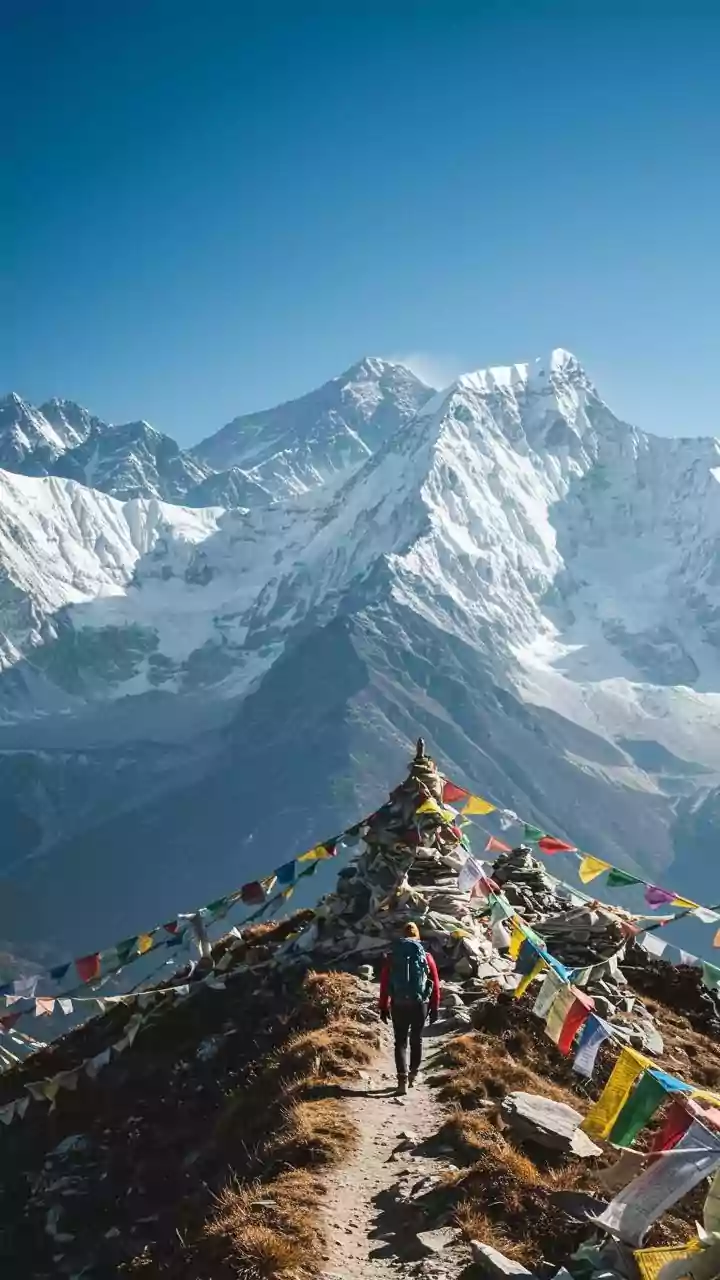
One of the highest lakes in the world, Gurudongmar Lake is situated at a breathtaking altitude of around 17,800 feet in North Sikkim. Considered sacred by Buddhists, Sikhs, and Hindus, this glacial lake is surrounded by snow-capped peaks close to the Indo-Tibetan border. A unique feature is that a portion of the lake is said to never freeze, even in the harshest winters, a phenomenon locals attribute to a blessing from Guru Padmasambhava. Due to the extreme altitude and lack of oxygen, visitors are advised to acclimatise properly and spend limited time at the lake. The best seasons to visit are spring (March–May) and autumn (September–November), and a Protected Area Permit (PAP) is mandatory.
Vembanad Lake, Kerala
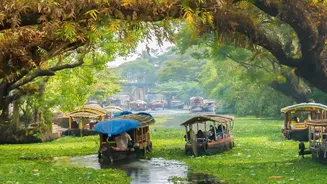
The longest lake in India and the largest in Kerala, Vembanad is the heart of the state's famous backwaters. Spanning several districts, this vast water body is a thriving ecosystem that supports millions of people and a rich biodiversity, including the Kumarakom Bird Sanctuary on its eastern shore. The most popular way to experience Vembanad is by hiring a traditional houseboat, known as a 'kettuvallam', for a serene cruise through its network of canals. These houseboats, which once transported rice and spices, are now floating hotels offering a unique perspective on local life. The lake is also famous for hosting the annual Nehru Trophy Snake Boat Race during the Onam festival.
Loktak Lake, Manipur
Loktak Lake is the largest freshwater lake in Northeast India and is famous for its 'phumdis'—heterogeneous masses of vegetation, soil, and organic matter that float on its surface. These phumdis are so large and stable that local fishermen build their homes on them. The largest of these phumdis is home to the Keibul Lamjao National Park, the world's only floating national park. This unique park is the last natural refuge of the endangered Sangai, or 'dancing deer', which has adapted to life on the swaying phumdis. Located in Moirang, about 48 km from Imphal, the lake is a vital resource for the local economy.
Chilika Lake, Odisha
Asia's largest brackish water lagoon, Chilika Lake is an ecological marvel on India's east coast. Designated as India's first Ramsar wetland of international importance, it is a haven for biodiversity. The lagoon is famous for being home to a significant population of Irrawaddy dolphins, which can often be spotted near the sea mouth at Satapada. In winter, Chilika transforms into a birdwatcher's paradise, attracting over a million migratory birds from as far as Siberia and the Caspian Sea. The lake supports the livelihoods of over 150 thousand fishermen and offers serene boat safaris for visitors to explore its vast expanse and numerous islands.