




Prioritise Paw and Coat Care
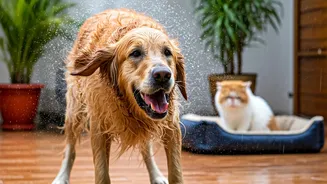
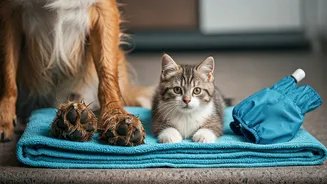
Dampness is the number one enemy during the monsoon. After every walk, no matter how short, thoroughly dry your pet's coat and paws with a clean towel. Pay special attention to the areas between their toes and under their belly, as trapped moisture can
lead to painful fungal and bacterial infections. If your pet has long fur, consider a shorter trim for the season to make drying easier and reduce the risk of skin issues. Regularly brushing their coat will also improve air circulation and help you spot any redness, rashes, or hotspots early.
Amp Up Parasite Prevention
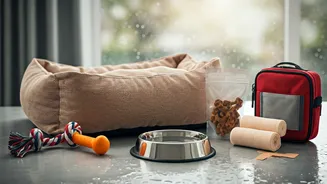
The humid, damp environment is a breeding ground for ticks, fleas, and mosquitoes. These aren't just an itchy nuisance; they can transmit serious diseases like tick fever and heartworm. This is not the season to skip a dose. Ensure your pet is up-to-date on their vet-prescribed tick and flea prevention treatment. Do a quick body check for parasites after walks, especially around the ears, neck, and paws. Keeping their bedding clean and dry also helps minimise the risk of an infestation at home.
Adjust Their Diet and Hydration
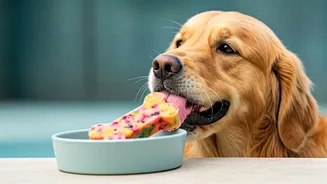
With reduced physical activity due to fewer walks and outdoor play, your pet might not need as many calories. A slightly lighter diet can prevent seasonal weight gain and digestive issues. More importantly, ensure they have constant access to fresh, clean drinking water. Puddles and stagnant water outside are teeming with bacteria and viruses that can cause leptospirosis and other gastrointestinal infections. Never let your dog drink from puddles. At home, boil their drinking water if you have any concerns about your water supply's purity during the rains.
Make Walks Safe and Smart
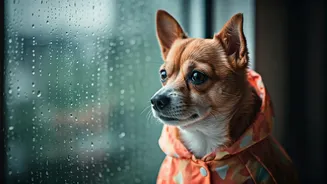
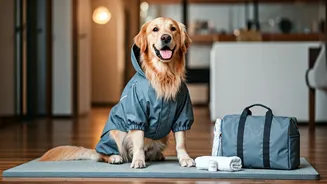
While walks may be shorter, they are still essential. Invest in a good quality raincoat and waterproof booties to keep your pet as dry as possible. Try to time your walks to avoid heavy downpours. Steer clear of waterlogged streets and deep puddles, which can hide open manholes or sharp debris, in addition to being a source of disease. After a walk in the rain, a quick lukewarm bath with a pet-friendly shampoo can help wash away any grime or potential contaminants, but remember to dry them completely afterwards.
Combat Indoor Boredom
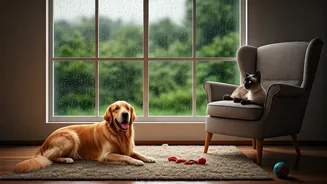
Being cooped up indoors can lead to boredom, frustration, and destructive behaviour. Keep your pet mentally stimulated to make up for the lack of physical exercise. Introduce puzzle toys, snuffle mats, or play a game of hide-and-seek with their favourite treats. This is also a great time to brush up on training commands or teach them a new trick. A 15-minute training session can be just as tiring as a short walk and strengthens your bond.
Manage Thunderstorm Anxiety
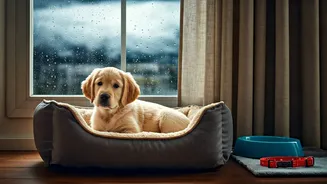
The loud claps of thunder and flashes of lightning can be terrifying for many pets. Create a safe, cosy den for them in a quiet part of the house, like a crate covered with a blanket or a spot under a bed. Playing calming music or white noise can help muffle the storm's sounds. Stay calm yourself, as your pet will pick up on your anxiety. You can offer comfort, but avoid excessive coddling, which can reinforce their fear. For severe anxiety, consult your vet about calming supplements or other behavioural strategies.