




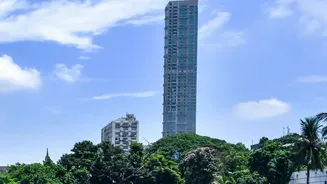
An Island City’s Inevitable Choice
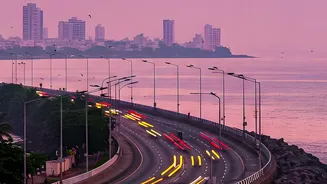
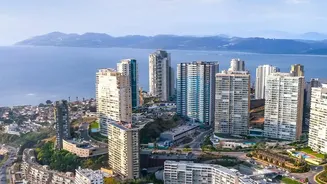
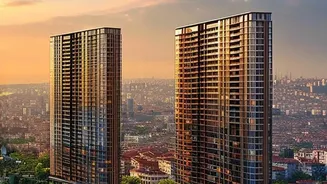
Mumbai faces a simple, unchangeable reality: it’s an island city with an absolute scarcity of developable land. Unlike other cities that can expand outwards, Mumbai has to grow vertically. For decades, this has meant that creating new housing supply depends
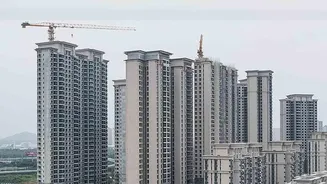
almost entirely on recycling existing land. Redevelopment has transitioned from a commercial opportunity into what some experts call an "urban survival imperative." Many of the city's buildings, some decades old, are structurally unsafe and lack modern amenities like adequate parking, fire safety systems, or robust plumbing. For thousands of residents in these ageing structures, redevelopment is not a luxury but a necessity for safe and improved living conditions. This has created a fertile ground for a construction boom that replaces dilapidated buildings with modern, taller, and more efficient residential complexes.
The Power of Policy and FSI
The government has played a crucial role in accelerating this trend through strategic policy changes, primarily centered around the Floor Space Index (FSI). FSI is the ratio that determines how much built-up area is permissible on a plot of land. To make redevelopment financially viable, authorities have offered higher FSI as an incentive, especially for renewing old, cessed buildings and rehabilitating slums. This allows developers to construct more saleable area after re-housing the original tenants, making otherwise unprofitable projects attractive. Further policies like fungible FSI—which lets developers purchase additional buildable area—and transit-oriented development norms that grant higher FSI near metro lines have supercharged this model. These regulatory tailwinds have made redevelopment the primary mechanism for creating new housing stock in the city’s most established locations.
From Single Buildings to Entire Clusters
Perhaps the most significant evolution in Mumbai's redevelopment story is the shift from single-building projects to large-scale 'cluster redevelopment'. Instead of replacing one building at a time, this model involves redesigning an entire neighbourhood precinct, often spanning several acres. This holistic approach allows for better urban planning, including wider roads, integrated public amenities, and dedicated open green spaces—features impossible to create in piecemeal redevelopment. Government schemes for slum rehabilitation and cluster development, such as those for Dharavi and Bhendi Bazaar, are prime examples of this ambitious strategy. As a result, the scale of redevelopment has exploded. Since 2020, over 1,000 redevelopment projects have been launched, and the pipeline for slum rehabilitation is now nearly four times the total acreage completed in the three decades since the Slum Redevelopment Authority (SRA) was formed.
A Market Driven by Demand
This reshaping is not just a supply-side story; homebuyers are actively driving the change. The share of redeveloped properties in total housing sales has surged, climbing to 15% in 2025 and the first half of 2026, up from just 6% between 2016 and 2021. For the first time, sales from redevelopment projects have even outpaced new launches, signalling a clear market preference. Buyers are choosing these projects because they offer new homes with modern amenities in prime, well-connected locations, without the long wait for social infrastructure that often plagues developments on the city's periphery. This demand has attracted major institutional developers into the segment, transforming it from a niche opportunity into a mainstream, sustainable source of housing.
The Human Cost and Complications
While redevelopment promises a better quality of life, the process is not without its challenges, especially for existing residents. The promise of a new, larger apartment in a modern building is often tempered by the reality of long delays, disputes over agreements, and the logistical nightmare of temporary relocation. Projects can stall for years, leaving original tenants in limbo and paying rent out of their own pockets. Furthermore, the large-scale transformation of neighbourhoods raises complex questions about gentrification and the potential displacement of the original social fabric. Balancing the commercial interests of developers with the rights and well-being of long-time residents remains the most critical challenge in this city-wide transformation. The success of Mumbai's redevelopment hinges on navigating these human complexities with transparency and fairness.