
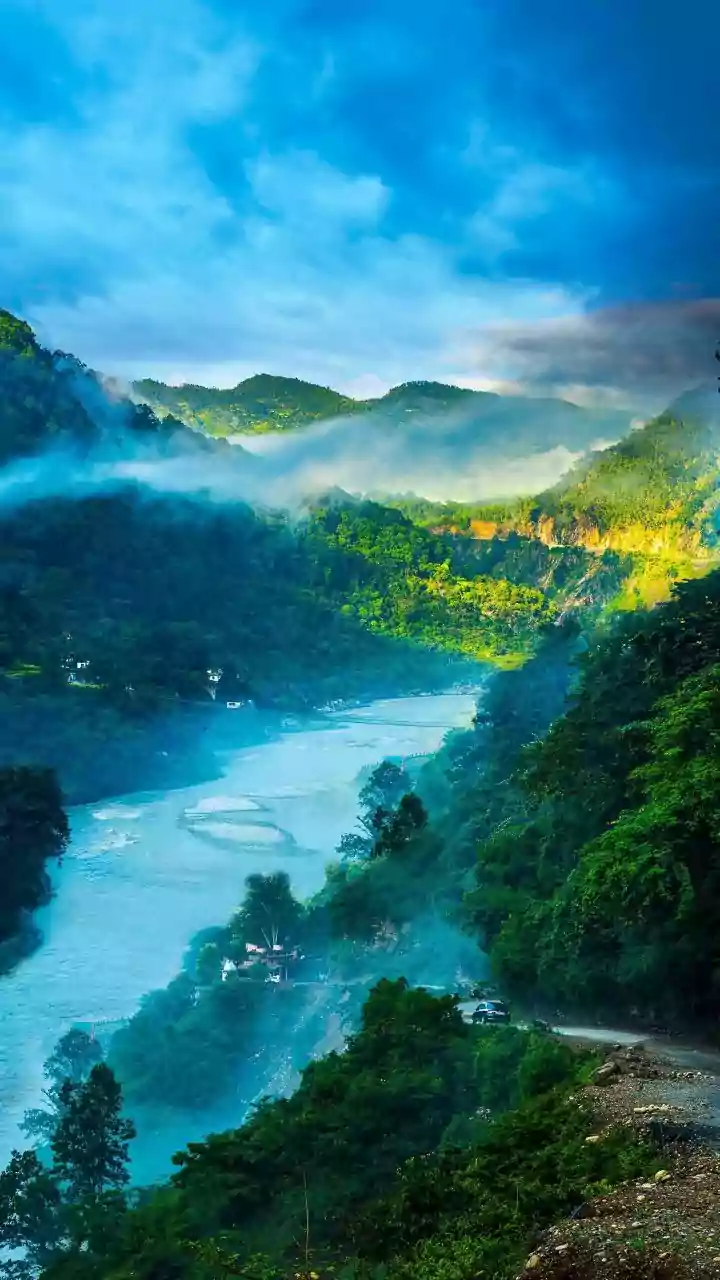



An Authentic Coastal City
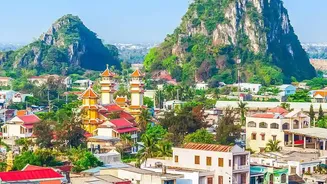
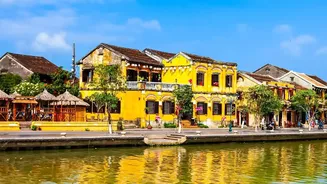
Quy Nhon stands apart because it's a working Vietnamese city first and a tourist destination second. This means you'll find a more authentic atmosphere, where local life isn't just a performance for visitors. The streets are vibrant with residents, the markets
are for locals, and the prices for food and services reflect that. This provincial capital has long been known as a cradle of traditional Vietnamese martial arts and was once an important commercial port. Its identity is rooted in its fishing industry and history, offering a slice of coastal life that feels genuine and unhurried compared to more developed resort cities.
Ky Co: The 'Maldives of Vietnam'
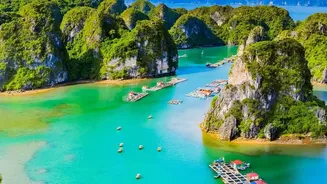
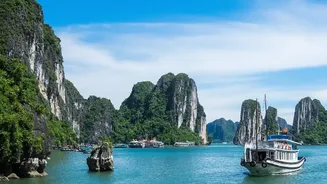
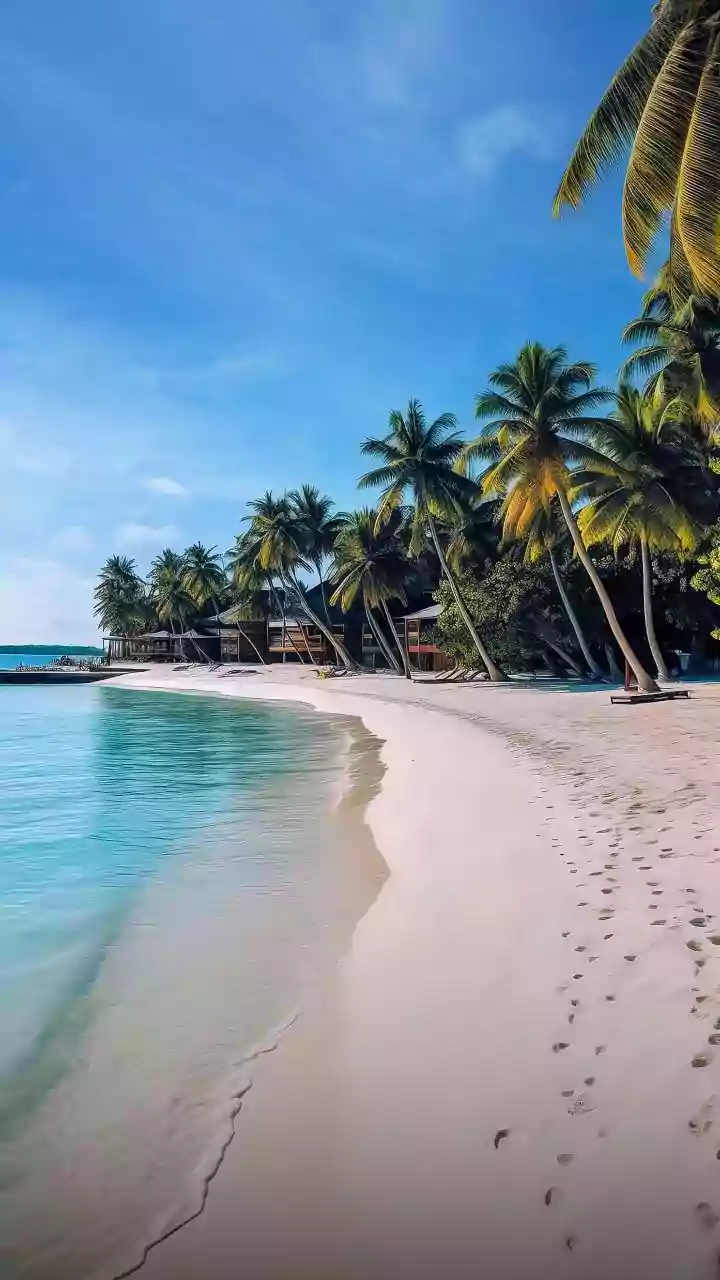
Often nicknamed the 'Maldives of Vietnam', Ky Co Beach is arguably the most spectacular sight in the region. Located about 25 kilometres from the city on the Phuong Mai Peninsula, this beach is a stunning crescent of golden sand tucked between dramatic rocky cliffs. Its water is famously clear, displaying a brilliant gradient from turquoise near the shore to a deep emerald further out. Reaching it requires a bit of effort—either a short boat or canoe ride from Nhon Ly village or a drive along a winding road followed by a shuttle for the final steep descent. This relative seclusion helps preserve its pristine, wild feel, making it perfect for swimming and photography.
Eo Gio: The Windy Pass
Just a short distance from Ky Co is Eo Gio, which translates to 'Windy Pass'. True to its name, this coastal feature is a ruggedly beautiful inlet where the wind funnels between two tall cliffs. Instead of a sandy beach for swimming, Eo Gio offers a dramatic landscape of wind-carved rock formations and panoramic sea views. A well-maintained walking path hugs the cliffs, allowing visitors to safely explore the stunning coastline and take in the powerful scenery. It’s a place for sightseeing rather than swimming and provides a striking contrast to the calm sands of Ky Co.
Bai Xep: A Tranquil Fishing Village
For a taste of timeless coastal life, head to Bai Xep, a small fishing village about 13 kilometres south of the city. This charming spot was once named one of Asia's 'secret beaches' and still retains a peaceful, authentic atmosphere. The beach itself is a beautiful golden bay littered with traditional round basket boats, perfect for a quiet swim. The real magic, however, is in the village itself, a maze of narrow alleys where you can observe the daily rhythms of a fishing community. It offers a genuine escape that feels worlds away from mass tourism.
Beyond the Beach: History and Cuisine
Quy Nhon's appeal extends beyond its coastline. The region is rich in the history of the Champa Kingdom, and visitors can explore the remarkably intact Thap Doi (Twin Towers) and Banh It towers, which predate many more famous ruins in Vietnam. The local food scene is another major draw, celebrated for its freshness and affordability. Must-try dishes include 'banh xeo tom nhay' (crispy pancakes with 'jumping' fresh shrimp), 'bun cha ca' (fish cake noodle soup), and an incredible variety of fresh seafood often grilled over charcoal.
Planning Your Trip
The best time to visit Quy Nhon for ideal beach weather is during the dry season, which generally runs from March to September. The nearest airport is Phu Cat Airport (UIH), located about 30 kilometres from the city, with regular domestic flights from Ho Chi Minh City and Hanoi. The city is also accessible via the Reunification Express train, which stops at Dieu Tri station just outside the city. While tourism infrastructure is growing, it remains less developed than in other major hubs, which is a key part of its charm.