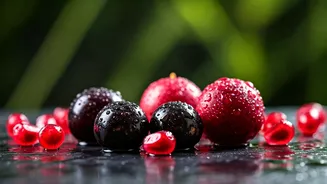









Why Fruits Matter During Monsoon
As the rain nourishes the earth, our bodies require extra nourishment to fight off the season's common ailments. The drop in temperature and increase in humidity create a breeding ground for bacteria and viruses, leading to a spike in colds, flu, and digestive
issues. A weak immune system can make you particularly vulnerable. This is where seasonal fruits come in. Packed with essential vitamins, minerals, antioxidants, and fibre, they are nature’s first line of defence, helping to bolster your immunity, aid digestion, and keep your energy levels stable. Opting for seasonal produce ensures you get the freshest, most nutrient-dense options available.
1. Jamun (Indian Blackberry)
The deep purple Jamun is a quintessential monsoon fruit. It is a powerhouse of nutrients, including iron, potassium, and Vitamin C. Jamun is particularly celebrated for its low calorie count and high antioxidant content, which helps in purifying the blood and improving skin health, often a concern during the humid weather. For those managing blood sugar levels, jamun is traditionally recommended due to its properties that may aid in glucose metabolism. Its astringent nature also helps in keeping digestive issues like diarrhoea at bay, a common complaint during the rainy season.
2. Litchi
This sweet, juicy fruit is a short-lived treasure of the early monsoon. Litchis are an excellent source of Vitamin C, a crucial nutrient for strengthening the immune system and fighting off infections. They are also rich in potassium, which helps maintain blood pressure and fluid balance. The high water content in litchis aids in hydration, which is important even when you don't feel thirsty in the cooler, humid weather. Furthermore, the antioxidants in litchis, like oligonol, are believed to have anti-viral properties, making it a great addition to your monsoon diet.
3. Pomegranate
Known for its vibrant ruby-red seeds, the pomegranate is a formidable ally for your health. It is loaded with powerful antioxidants called punicalagins and anthocyanins, which have potent anti-inflammatory effects. This can be especially beneficial during the monsoon when the body is more susceptible to inflammatory responses from infections. Pomegranates support a healthy gut by promoting beneficial bacteria and their high fibre content aids smooth digestion. Regular consumption can boost your red blood cell count and improve overall vitality, helping you fight the lethargy that often accompanies grey, rainy days.
4. Peaches and Plums
Often arriving just as the monsoon sets in, peaches and plums offer a wealth of benefits. Peaches are rich in beta-carotene (which the body converts to Vitamin A) for healthy vision and immunity, as well as Vitamin C. Plums are packed with fibre and sorbitol, making them excellent for maintaining digestive regularity. Both fruits are rich in antioxidants that protect the body from cellular damage and help maintain healthy, glowing skin despite the dampness and humidity. Their sweet and tart flavours make for a refreshing and healthy snack.
5. Cherries
Another delightful early-monsoon treat, cherries are more than just a pretty fruit. They are a great source of antioxidants and anti-inflammatory compounds. Cherries can help combat oxidative stress and reduce inflammation-related conditions. They also contain melatonin, a hormone that helps regulate sleep-wake cycles. Getting quality sleep is fundamental to a strong immune system, and enjoying a handful of cherries in the evening might just help you rest better. Their low glycemic index makes them a good choice for a sweet treat without causing a sharp spike in blood sugar.