



The Unkillable Snake Plant
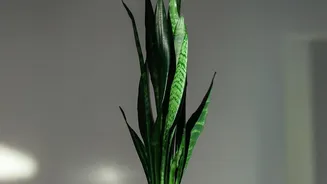
Topping almost every list of hardy houseplants, the Snake Plant (Sansevieria) is practically tailor-made for the forgetful gardener and the Indian monsoon. Its superpower is its tolerance for a wide range of conditions. During the rainy season, when sunlight
is scarce, the Snake Plant is perfectly content in low-light corners. Most importantly, it is extremely drought-tolerant and hates being overwatered, which is the number one risk during humid months when soil dries slowly. Its stiff, architectural leaves store water, so you only need to water it when the soil is completely dry, often just once every three to four weeks. This resilience makes it an excellent air purifier for bedrooms and living rooms alike, thriving on neglect while you enjoy the rains.
The Resilient ZZ Plant
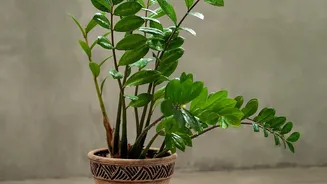
If there's one plant that truly thrives on neglect, it's the Zamioculcas zamiifolia, or ZZ Plant. With its wide, waxy, dark green leaves, it adds a touch of polished drama to any space. The ZZ plant is a champion for monsoon survival because it tolerates very low light and stores water in its underground rhizomes, making it incredibly drought-resistant. This is a huge advantage during the humid monsoon, as it protects the plant from root rot caused by soil that stays damp for too long. You should water it sparingly, only when the soil has completely dried out, which might be as infrequently as once every few weeks. Its ability to thrive in dimly lit apartments and air-conditioned rooms makes it a versatile and stylish choice for busy households.
The Forgiving Money Plant (Pothos)
A staple in countless Indian homes, the Money Plant (Pothos or Epipremnum aureum) is beloved for a reason. It's incredibly easy to grow and adaptable. During the monsoon, its ability to thrive in high humidity is a major asset; in fact, the humid air often encourages faster growth. Money Plants are not fussy about light and do well in indirect sunlight or even in shadier spots, which are common during overcast rainy days. They are also quite forgiving when it comes to watering; just let the top inch of soil dry out before watering again. The plant's trailing vines can be styled to climb walls or cascade from shelves, bringing a lush, tropical feel indoors to combat the grey weather outside.
The Elegant Peace Lily
The Peace Lily (Spathiphyllum) is a fantastic choice for the monsoon season because it loves a humid environment. This plant is known for its glossy, dark green leaves and elegant white blooms, which can brighten up any room. It adapts well to low-light conditions, making it suitable for apartments that don't get much direct sun. One of its most helpful features for low-attention owners is its ability to communicate its needs. The leaves will noticeably droop when the plant is thirsty, taking all the guesswork out of your watering schedule and preventing the dreaded monsoon overwatering. Just be sure its pot has good drainage, as it prefers moist but not waterlogged soil.
The Adaptable Spider Plant
The Spider Plant (Chlorophytum comosum) is a resilient and fast-growing plant that's perfect for beginners. It is highly adaptable and can handle the fluctuating conditions of the monsoon months. While it prefers bright, indirect light, it can tolerate lower light levels. High humidity is generally not a problem for this hardy plant. One of its most charming features is the production of “pups” or baby plantlets that dangle from the mother plant, which can be easily replanted to create new plants. For care, simply water it when the top soil feels dry. Its arching leaves and easy-going nature make it a cheerful and low-effort addition to any home during the rainy season.
Monsoon Care in a Nutshell
While these plants are low-maintenance, a few general tips can help them thrive during the monsoon. The biggest danger is overwatering, which leads to root rot. Always check if the top few inches of soil are dry before watering. High humidity means soil retains moisture for much longer. Ensure all your pots have drainage holes to let excess water escape. Good air circulation is also important to prevent fungal issues, so try not to crowd your plants too closely together. Wiping dust off the leaves occasionally will help them breathe and absorb the limited available light more efficiently.