




First, What Is Your Skin Barrier?
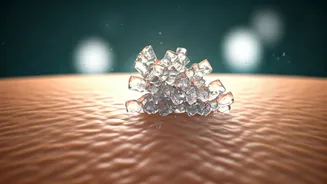
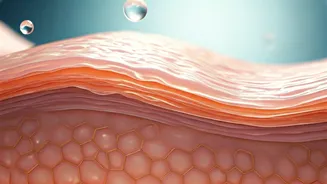
Think of your skin’s outermost layer, the stratum corneum, as a brick wall. The 'bricks' are your skin cells (corneocytes), and the 'mortar' holding it all together is a complex mixture of lipids, or fats. This structure is your skin barrier. Its job
is crucial: it keeps the good stuff in (like water, preventing dehydration) and the bad stuff out (like pollutants, allergens, and bacteria). When this barrier is strong and intact, your skin looks and feels smooth, calm, and hydrated. When it’s compromised, problems begin to surface.
Meet Ceramides: The 'Mortar' For Your Skin
So, what is this all-important 'mortar'? A huge part of it—about 50%—is made up of ceramides. Ceramides are naturally occurring, long-chain lipids that are fundamental to your skin's structure and function. They are the primary glue binding your skin cells together, creating a waterproof seal that locks in moisture and forms a protective layer. Unfortunately, our natural ceramide levels can deplete over time due to ageing, sun damage, harsh weather, and even the use of stripping skincare products with high alcohol content or aggressive exfoliants. This depletion weakens the 'mortar', leaving gaps in your skin's brick wall.
Signs of a Damaged Skin Barrier
How do you know if your ceramide levels are low and your barrier is struggling? Your skin will send some clear signals. You might experience increased dryness, flakiness, or a feeling of tightness, even after moisturising. Redness, itchiness, and a general sensitivity to products that never bothered you before are also classic signs. Your skin may become more prone to inflammation and conditions like eczema or dermatitis can flare up. Essentially, a compromised barrier is less able to defend itself, leaving your skin vulnerable and reactive. If this sounds familiar, your skin is practically crying out for a barrier repair intervention.
How Topical Ceramides Come to the Rescue
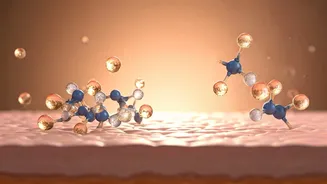
Here’s the good news: you can replenish your skin’s supply. Skincare products formulated with skin-identical ceramides can help patch up the gaps in your barrier. When applied topically, these ingredients mimic your skin's natural fats, integrating into the stratum corneum to reinforce its structure. This helps to rebuild the barrier, reduce water loss (a process known as Transepidermal Water Loss or TEWL), and improve hydration from within. The result is skin that is more resilient, less irritated, and better equipped to protect itself from environmental stressors. It’s not just a temporary fix; it’s about giving your skin the building blocks it needs to repair itself.
Finding Ceramides in Your Skincare
Ready to add them to your routine? Start by becoming an ingredient list detective. Look for terms like 'Ceramide NP', 'Ceramide AP', 'Ceramide EOP', or simply 'Ceramides'. You might also see 'phytosphingosine' or 'sphingosine', which are ceramide precursors that encourage your skin to produce its own. Ceramides are most effective in leave-on products where they have time to be absorbed. You’ll find them in a variety of formulations, including rich moisturisers, hydrating cleansers, soothing serums, and even body lotions. For daily barrier maintenance, a ceramide-rich moisturiser is an excellent starting point for most skin types.
Pairing Ceramides For Best Results
Ceramides play well with others. To maximise their benefits, look for formulas that also include other barrier-supporting ingredients. Humectants like hyaluronic acid and glycerin are fantastic partners, as they draw moisture into the skin while ceramides lock it in. Niacinamide is another great companion, as it can help stimulate your skin's own natural ceramide production. Using a gentle, non-stripping cleanser and avoiding over-exfoliation with harsh acids or scrubs will also ensure you aren't undoing all the good work of your ceramide-infused products. The goal is to support your barrier, not attack it.