
The New Indian Consumer
The change begins with the shopper. Today's Indian consumer, particularly in urban areas, is more informed and intentional than ever before. Spurred by greater access to information and a post-pandemic focus on wellness, they are actively reading ingredient
labels, questioning processing techniques, and seeking out foods with functional benefits like protein and fibre. A 2025 consumer survey highlighted that 'health benefits' was a top-three reason for switching brands. This shift is not about rejecting traditional snacks entirely, but about seeking 'better-for-you' versions. Consumers want the familiar comfort of a chakli or bhujia, but with less oil, cleaner ingredients, and a nutritional profile that doesn't inspire guilt. This creates a dynamic where indulgence and health are no longer opposites, but part of the same buying decision.
The Rise of Baked and Roasted
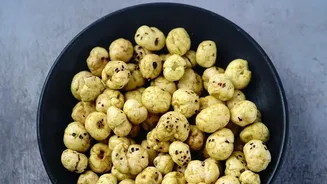
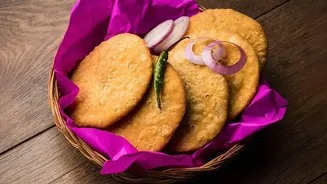
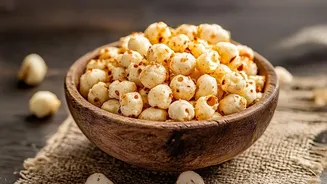
One of the most significant shifts in response to this new demand is the move from frying to baking and roasting. For decades, deep-frying was the default method for creating the irresistible crunch of Indian savouries. Now, brands are heavily investing in baking technology to offer snacks like baked samosas, mathris, and multigrain crisps that deliver on texture without the excess oil. Makhana (fox nuts), once a traditional fasting food, has been transformed into a mainstream superstar, roasted and seasoned in a variety of flavours as a direct alternative to potato chips. This pivot is also visible in the evolution of namkeen, with legacy brands and startups alike launching baked or air-fried lines to cater to consumers who are actively looking to reduce their intake of fried foods.
The Great Millet Revival
Ancient grains are the new heroes of the snack aisle. Millets such as jowar, bajra, and ragi are experiencing a major comeback, championed for their high fibre content, gluten-free properties, and low glycemic index. Supported by government initiatives like the 'International Year of Millets', these grains are no longer just staples of traditional home cooking but are now the star ingredients in a booming category of packaged snacks. The Indian millet snacks market was valued at over USD 600 million in 2025 and is growing rapidly. Brands are incorporating millets into everything from puffs and crackers to cookies and extruded sticks, offering a nutritious, whole-grain alternative to snacks made from refined flour (maida). Sales of millet-based packaged foods in India saw a more than 23-fold increase between 2020-21 and 2024-25.
Startups and D2C Challengers
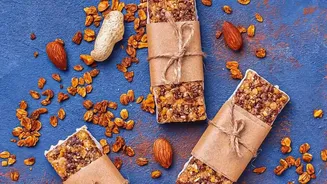
Much of this innovation is being driven by a vibrant ecosystem of Direct-to-Consumer (D2C) startups. With India having over 130 D2C healthy snack startups, these nimble companies are challenging large, established FMCG players. Brands like The Whole Truth, Yoga Bar, and Farmley have built their entire identity around clean labels, ingredient transparency, and specific health benefits. They leverage digital platforms and quick commerce to reach health-conscious urban consumers directly, often building a loyal following through social media and subscription models. These brands are not just selling products; they are educating consumers, leading movements like 'Label Padhega India,' and forcing the entire industry to become more transparent and responsive to customer demands for healthier, more authentic food options.