







The New Definition of 'Settling Down'
For generations, the question “When are you settling down?” in India was a thinly veiled inquiry about marriage and homeownership. [13] These were the twin pillars of a stable, successful life. [21] Today, that definition is undergoing a profound transformation.
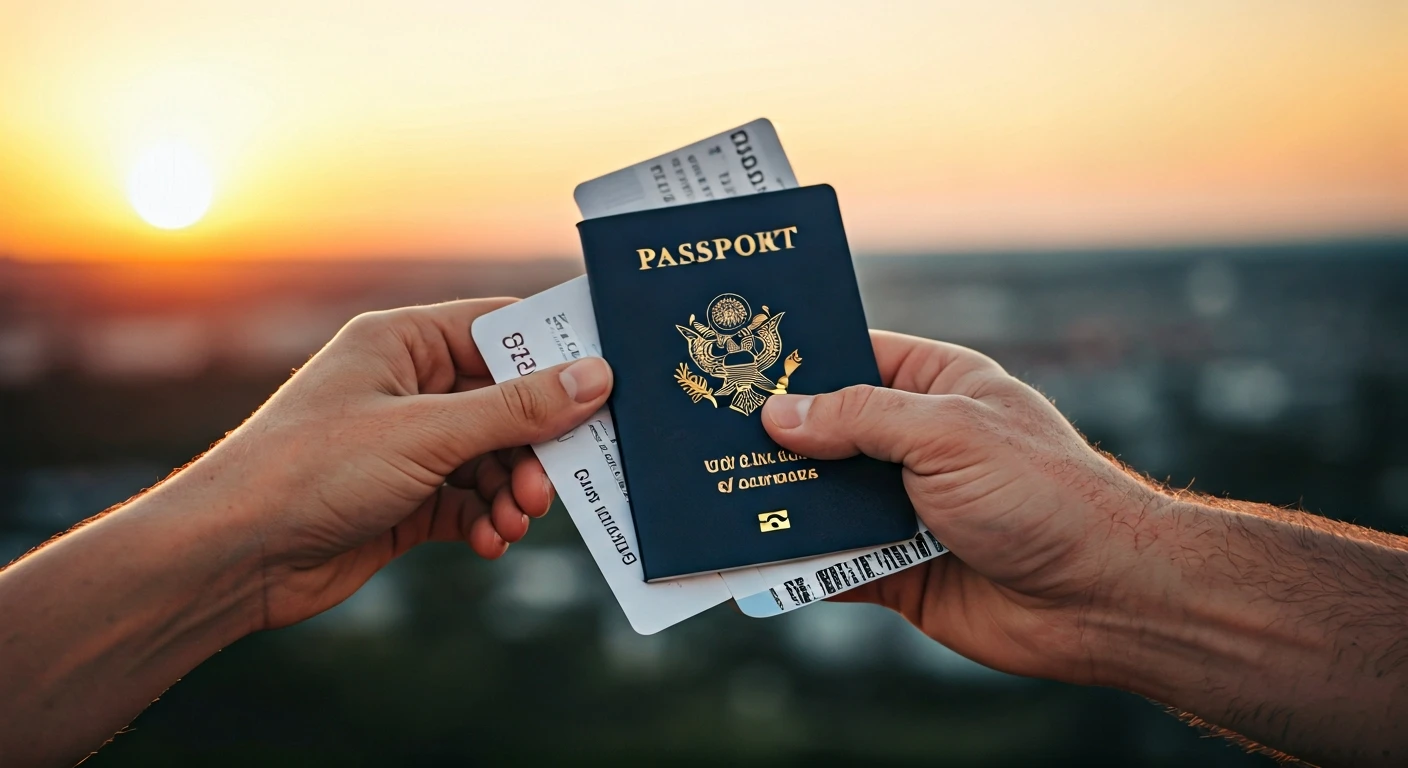
For many Millennial and Gen Z couples, settling down is less about acquiring physical assets and more about accumulating a wealth of experiences. [6, 23] The focus is shifting from long-term security to immediate fulfillment. [6] This new mindset prioritises personal growth, travel, and creating shareable moments over the traditional markers of success. [28] In a 2026 study, Tinder found that for young Indians, marriage and accumulating assets ranked low on their five-year goals, with a preference for collecting experiences instead. [17]
The Soaring Cost of a Dream
A major driver of this shift is stark economic reality. Property prices in major Indian metropolitan areas have skyrocketed, significantly outpacing income growth. [10, 29] In cities like Mumbai and Delhi, buying a home can require over a decade of the average household income, making it a financial fantasy for many. [4, 29] An ANAROCK survey revealed that a vast majority of potential homebuyers are concerned about rising prices, with many facing delays or cancelling purchase plans due to affordability issues. [24] Faced with the choice between a decades-long home loan for a property in a distant suburb and the freedom to travel, dine out, and pursue hobbies, many couples are pragmatically choosing the latter. [4, 15] Renting provides flexibility, lower upfront costs, and the freedom to live in prime urban locations without being tied down by a mortgage. [9, 16]
The Experience Economy Takes Hold
This trend is amplified by the booming "experience economy." Fueled by rising disposable incomes and the visual currency of social media, Indian consumers are increasingly spending on experiences rather than physical goods. [3, 6] Projections show that spending on activities like travel, hotels, and cultural events is expected to outpace spending on goods by 2030. [7] This isn't just about big international trips; it includes everything from attending music festivals and wellness retreats to exploring local culinary workshops. [2, 6] A report from EY and BookMyShow noted that 78% of Indian consumers now prefer to spend on experiences over products, seeking engagement and community. [8] For couples, these shared experiences become a way to build their relationship and create a life story that feels more vibrant and personally fulfilling than simply owning property.
Redefining 'Distance' and 'Home'
The headline’s mention of “distance” is both literal and metaphorical. Literally, couples are rejecting the long commutes from affordable homes in peripheral areas, choosing instead to rent smaller spaces in central locations to be closer to work, friends, and cultural hubs. [16] This preference for access over ownership has changed the meaning of permanence. [14] Metaphorically, they are closing the distance to happiness. Instead of deferring joy for a far-off future when a home is finally paid off, they are integrating it into their present lives. Financial freedom is being redefined not as the ownership of assets, but as the freedom from long-term debt, which in turn allows for greater lifestyle flexibility. [14, 23]